
How to Declutter Your Home Room by Room
Decluttering an entire home can feel overwhelming when every room seems to need attention. Closets fill up, kitchen counters collect unused items, and storage areas become difficult to manage.
Instead of trying to clean everything in one weekend, break the work into smaller, manageable tasks. Working room by room helps you see progress, make better decisions about your belongings, and avoid creating new piles of clutter elsewhere.
This guide explains how to declutter your home room by room and build a system that is easier to maintain.
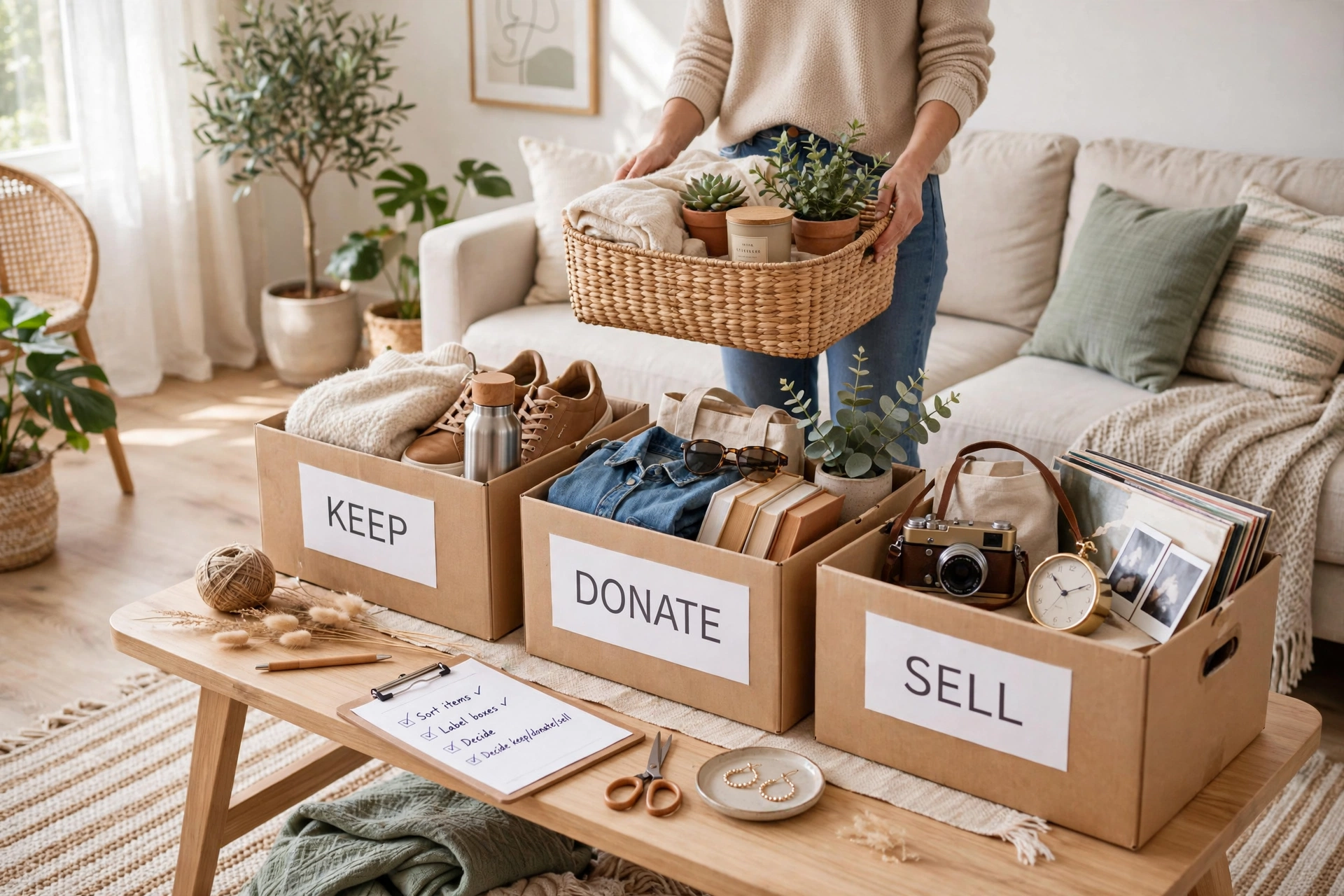
1. Make a Simple Decluttering Plan
Before you begin, decide which room or area needs attention most. Choose a small starting point, such as one drawer, one shelf, or a single countertop.
Prepare four categories:
- Keep: Items you use, need, or genuinely value.
- Donate: Usable items that could benefit someone else.
- Recycle: Materials accepted by your local recycling program.
- Discard: Broken or unusable items that cannot reasonably be repaired or reused.
Some belongings require special handling. Dispose of batteries, electronics, medications, paint, and other household hazardous waste according to local guidance rather than placing everything in regular trash.
Set a realistic time limit. Even 15 to 20 minutes can make a difference when you focus on one small area.
2. Start With the Living Room
Living rooms often collect items that belong in other parts of the home.
Begin by removing obvious rubbish, returning dishes to the kitchen, and gathering belongings that have been left behind. Then examine shelves, side tables, entertainment units, and decorative surfaces.
Ask yourself whether each item serves a purpose, adds meaningful enjoyment, or simply occupies space.
Use baskets for a limited number of frequently used items, such as remote controls or reading materials. Avoid turning baskets into permanent containers for miscellaneous belongings.
Keep walkways clear and make sure cords, lamps, and furniture do not create tripping hazards.
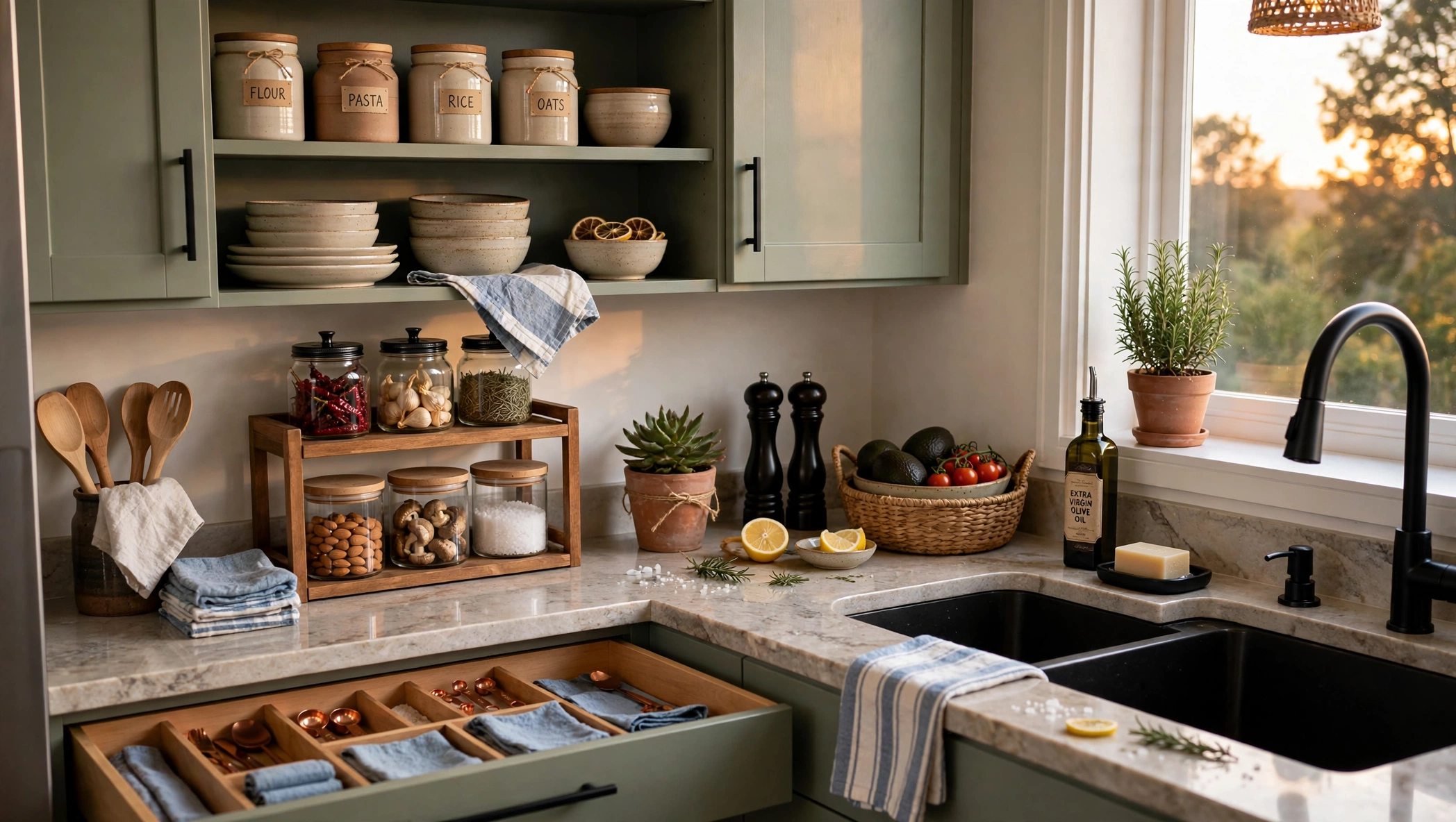
3. Declutter the Kitchen
Kitchens are easier to use when frequently needed items are accessible and unnecessary duplicates are removed.
Review one cabinet or drawer at a time. Look for gadgets you never use, duplicate utensils, damaged containers, and dishes that no longer serve your household.
Group remaining items by purpose. Keep cooking tools near the preparation area and everyday dishes in convenient cabinets.
Check food storage areas for expired products and follow package instructions for safe disposal. Do not rely on appearance alone to determine whether questionable food is safe.
For a more detailed storage plan, read our guide to organizing a small kitchen with limited cabinet space.
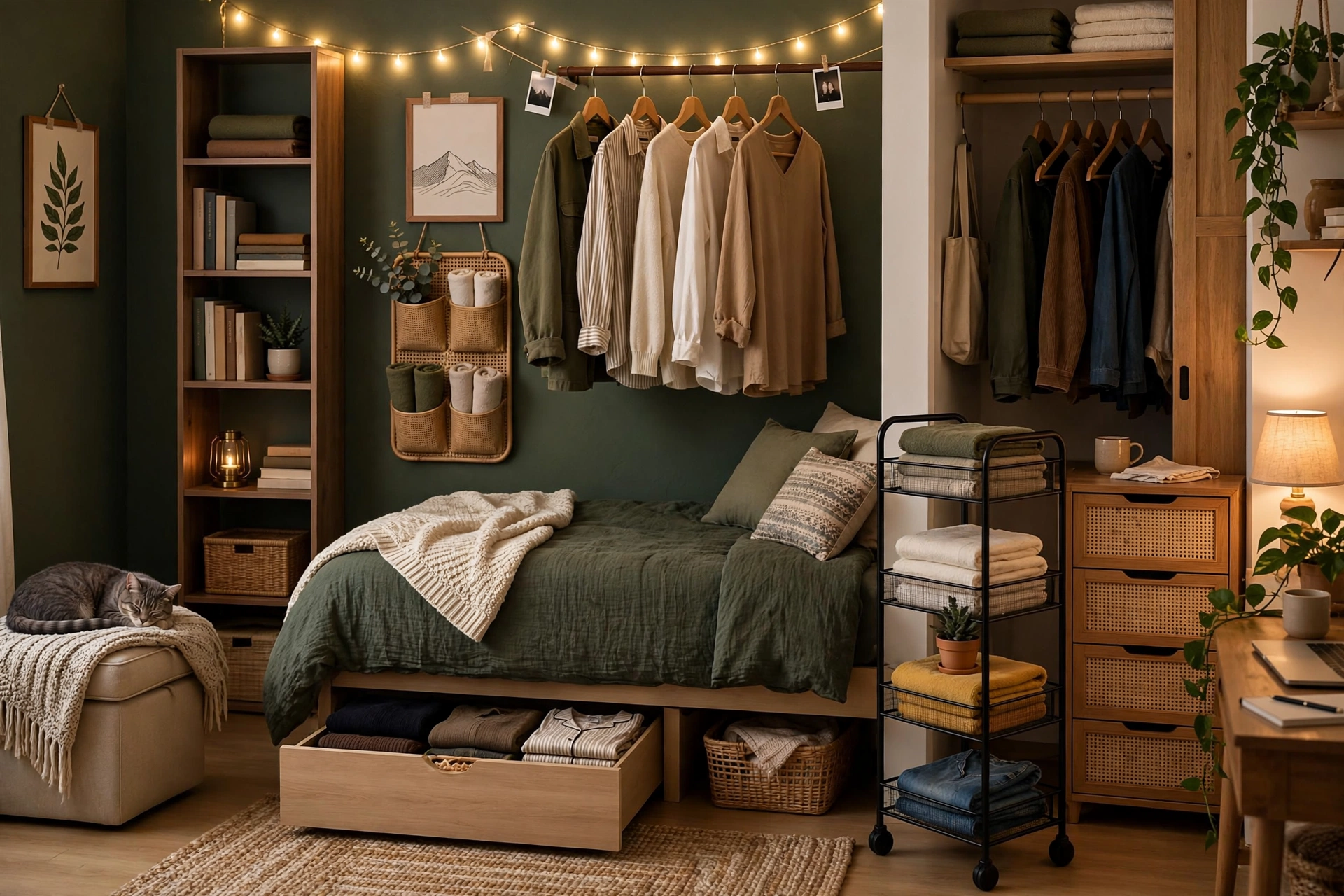
4. Simplify the Bedroom
A bedroom should support rest and daily routines, not become a storage area for unrelated belongings.
Start with nightstands, dressers, and visible surfaces. Remove old papers, empty packaging, and items that belong elsewhere.
Review clothing by category rather than emptying the entire closet at once. Consider whether each item fits your current needs, is comfortable to wear, and is in usable condition.
Store seasonal clothing separately when appropriate, but avoid packing items so tightly that they become difficult to access.
Keep floors and paths to doors clear. Make sure storage containers under the bed do not obstruct ventilation or create access problems.
For more ideas, see small bedroom organization ideas for limited space.
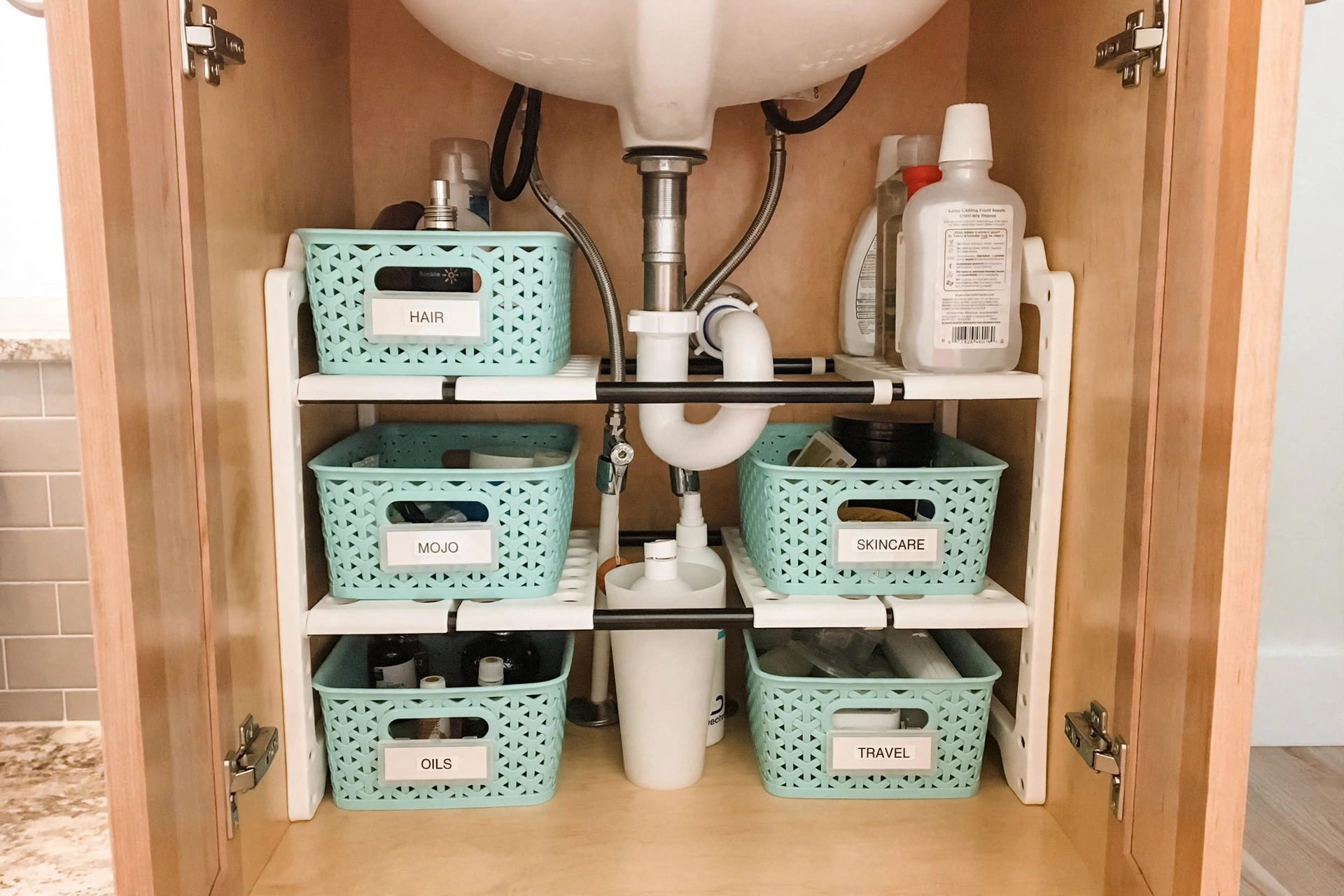
5. Organize the Bathroom
Bathrooms often accumulate nearly empty bottles, duplicate toiletries, old cosmetics, and products that are no longer suitable for use.
Check expiration dates and manufacturer guidance where applicable. Follow local instructions for disposing of medications and personal-care products rather than flushing them unless the label or local authority specifically recommends doing so.
Group everyday products together and store less frequently used supplies separately. Use containers that are easy to clean and suitable for damp environments.
Avoid overcrowding shelves or placing items where they could fall into a sink, bathtub, or walkway.
If storage is limited, our guide to organizing a small bathroom with no storage offers more targeted ideas.
6. Tackle Closets and Entryways
Closets can become difficult to use when items are stored without a clear purpose.
Remove belongings that no longer fit your needs, then group what remains by category. Keep frequently used clothing, bags, and shoes easy to reach.
In an entryway, create a designated place for everyday essentials such as keys, coats, shoes, and bags. A small tray or a few sturdy hooks may be enough.
Do not overload hooks or shelves, and make sure stored items do not block doors or emergency exits.
7. Deal With Paperwork and Miscellaneous Items
Paper clutter can be difficult because some documents must be retained while others can be recycled.
Sort papers into actionable documents, records to retain, and items that can be securely discarded. Follow applicable retention requirements for financial, legal, tax, and other important documents.
Keep sensitive information secure. Shred documents containing personal details when appropriate, and use reputable disposal methods for confidential material.
For miscellaneous belongings, decide where each category should live. If an item has no clear purpose or suitable place, consider whether you need to keep it.
8. Make Decluttering Easier to Maintain
Once a room is organized, use simple habits to prevent clutter from building up again.
Try a short daily reset:
- Return items to their designated places.
- Put away clean clothes.
- Clear kitchen and bathroom surfaces.
- Sort incoming mail and paperwork.
- Remove rubbish and recycling regularly.
When bringing new items into your home, consider where they will be stored before purchasing them.
You do not need to eliminate every unused object or maintain a minimalist home. The goal is to create a space that supports your household and makes everyday tasks easier.
Common Decluttering Mistakes
Doing too much at once: Large projects can become exhausting. Break them into manageable areas.
Buying storage products too early: Organizers cannot solve a problem caused by keeping too many unnecessary items.
Moving clutter between rooms: Give belongings a proper destination instead of transferring piles from one space to another.
Making rushed decisions: Take additional time with sentimental belongings, important records, and items that may require special disposal.
Expecting instant perfection: Decluttering is an ongoing process, not a one-time achievement.
Frequently Asked Questions
What is the easiest room to declutter first?
Start with a small, visible area that contains mostly easy decisions, such as a bathroom counter, a kitchen drawer, or an entryway shelf. Finishing a small task can help build momentum.
How long should decluttering take each day?
Choose an amount of time that fits your schedule. A short, focused session is often more manageable than trying to complete the whole house at once.
Should I buy storage bins before decluttering?
Usually, no. Sort your belongings first, decide what you will keep, and then measure the available space before purchasing storage products.
How do I stop clutter from returning?
Give frequently used belongings a designated home, return items after use, and review incoming purchases before bringing them into your living space.
Final Thoughts
Decluttering becomes more manageable when you approach your home one room at a time. Start small, make practical decisions, and create storage arrangements that fit your daily routines.
You do not have to finish everything immediately. Consistent progress can help you build a home that feels easier to use and maintain.
Related reading: Explore our guides to small bedroom organization, small bathroom storage, and simple home organization systems.
3 thoughts on “How to Declutter Your Home Room by Room”