Blog

  • Simple Home Organization Systems That Are Easy to Maintain

    Simple Home Organization Systems That Are Easy to Maintain

    Simple Home Organization Systems That Are Easy to Maintain

    Keeping a home organized is not just about finding the right baskets or arranging everything neatly. The real challenge is maintaining that order when daily life gets busy.

    Mail arrives, laundry piles up, kitchen counters become crowded, and items are often left wherever they are most convenient.

    A practical organization system makes it easier to put things away without having to think about every decision. You do not need an elaborate schedule or expensive storage products. A few simple routines and clearly defined storage areas can make a meaningful difference.

    Here are practical home organization systems you can adapt to your space, household, and daily routine.
    Organization Systems That Are Easy to Maintain
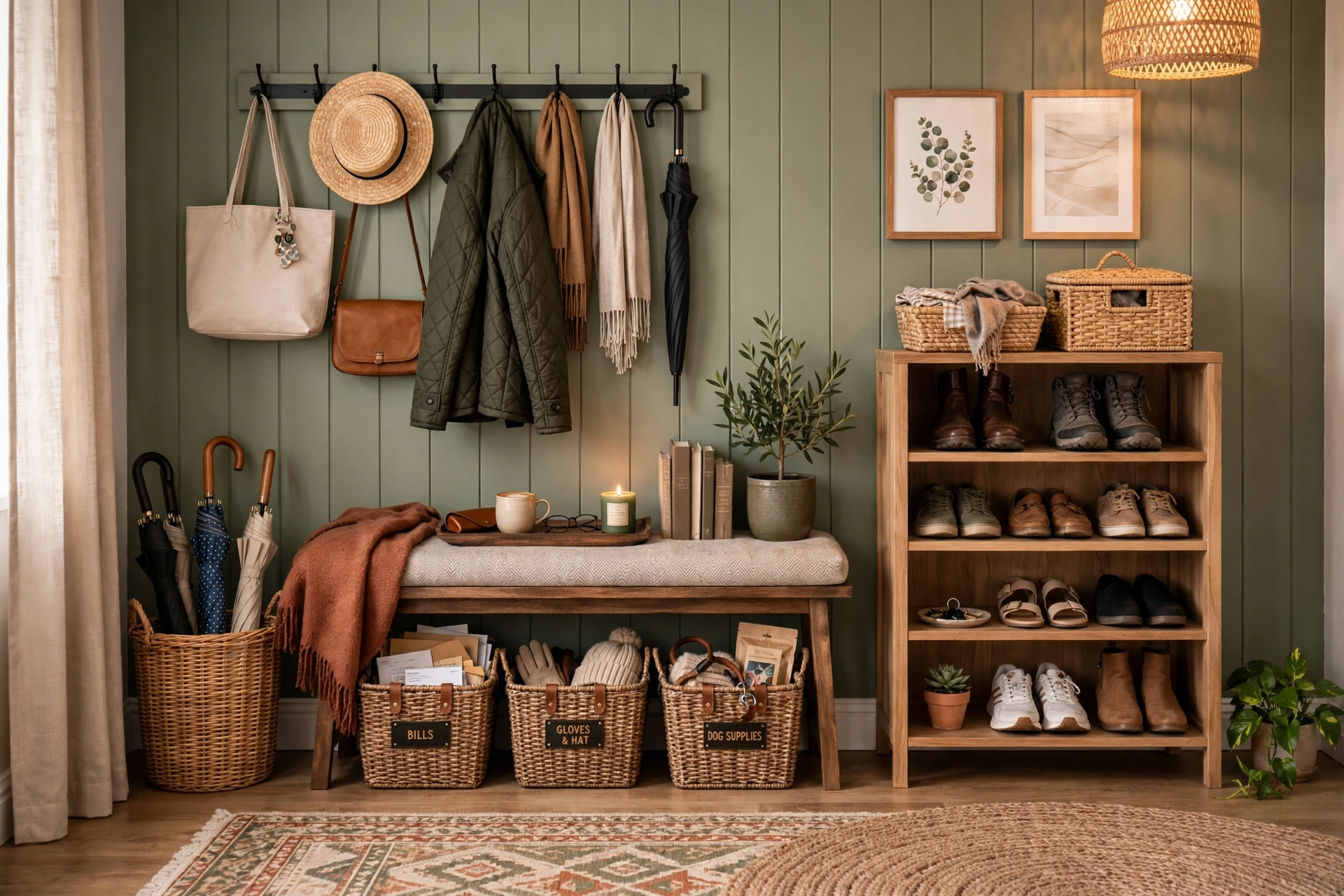
    Neatly organized home entryway with practical storage baskets, hooks, and a clear walking area

    1. Give Every Frequently Used Item a Home

    One of the simplest ways to reduce clutter is to decide where everyday belongings should go.

    Keys might belong in a small entryway tray. Remote controls can stay in a designated basket. Cleaning supplies can have a specific storage location, and commonly used kitchen tools can remain near the area where you prepare food.

    Choose locations based on how you actually use each item.

    Ask yourself:

    • Where do I usually need this item?
    • Can I reach its storage location comfortably?
    • Is it easy to return the item after use?
    • Does its location create an obstacle or safety concern?

    If an item repeatedly ends up on the same surface, that may be a sign that its designated storage location is inconvenient.

    Adjust the system rather than repeatedly blaming yourself for not putting things away.

    2. Create a Simple Entryway System

    The entryway is where many households collect keys, shoes, coats, bags, and incoming mail.

    A small, organized landing area can help prevent these items from spreading throughout the home.

    Depending on your available space, consider using:

    • A small tray for keys and everyday essentials.
    • A few securely installed hooks for frequently used bags or coats.
    • A shoe rack that fits without blocking the doorway.
    • A designated place for mail that needs attention.

    Avoid placing too many items near the entrance. Keep doors, exits, and walking paths clear.

    If your home has no separate entryway, a small section of a hallway or a shelf near the main door may serve the same purpose.

    3. Use the One-Category-at-a-Time Method

    When a drawer or cabinet becomes crowded, it can be tempting to reorganize everything at once.

    Instead, work with one category of belongings at a time. For example, sort reusable food containers before moving on to cooking utensils, or organize socks before reviewing other clothing.

    This approach helps you compare similar items and identify duplicates.

    Once you decide what to keep, arrange the items so frequently used belongings are easiest to reach. Store occasional-use items separately when appropriate.

    You can apply this method to almost any part of the home, from bathroom toiletries to office supplies and household tools.

    4. Build a Small Daily Reset Routine

    A short daily reset can prevent small messes from turning into large projects.

    Choose a convenient time, such as before bed or after dinner, and spend a few minutes returning items to their designated places.

    Your routine might include:

    • Clearing the kitchen counter.
    • Returning remote controls and books.
    • Putting away clean clothing.
    • Gathering rubbish and recycling.
    • Checking that frequently used items are ready for the next day.

    Keep the routine realistic. It should fit into your normal schedule rather than become another demanding household task.

    If several people share the home, divide tasks according to ability, availability, and household needs.

    5. Organize Cleaning Supplies by Task

    Cleaning supplies are easier to manage when they have a clear storage location.

    Group related products together, such as bathroom cleaners, kitchen cleaning supplies, and laundry products. Keep products in their original labeled containers and follow the manufacturer’s storage and safety instructions.

    Do not mix cleaning chemicals unless the product labels explicitly instruct you to do so. Store hazardous products securely and away from children and pets.

    You do not necessarily need separate cleaning kits for every room. Choose a system that fits the size of your home and the products you actually use.

    Check supplies periodically before purchasing replacements to avoid accumulating duplicate bottles.

    6. Create a Paperwork Management System

    Mail, receipts, school papers, bills, and household documents can quickly accumulate on counters and desks.

    Create a small system with three categories:

    Action needed: Bills, forms, appointments, and documents that require a response.

    Keep: Important records that need to be retained.

    Recycle or securely discard: Unneeded papers, handled according to local recycling and privacy guidance.

    Review incoming mail regularly rather than allowing it to accumulate.

    Store important documents in a secure, clearly labeled location. Follow applicable retention requirements for financial, tax, legal, and other records.

    For sensitive paperwork, use appropriate secure disposal methods instead of placing documents containing personal information in ordinary recycling.

    7. Make Laundry Easier to Manage

    Laundry is more manageable when clean and dirty clothes have designated places.

    Place hampers in convenient locations, but make sure they do not obstruct doors or walking paths. If helpful, use separate containers for different laundry categories.

    Follow garment care labels and avoid overloading washing machines or dryers. Return clean clothing to closets and drawers when practical instead of leaving it in baskets for several days.

    If laundry frequently piles up, consider whether the current routine is too complicated. A simpler schedule that fits your household may be easier to maintain than a rigid system.

    8. Avoid Buying Storage Products Without a Plan

    Storage products can be helpful, but they do not automatically solve clutter.

    Before buying baskets, bins, drawer dividers, or shelves, identify the specific problem you want to solve.

    Measure the available space, check the product dimensions, and consider how often you will need to access the contents.

    Choose products that are easy to clean and appropriate for their intended environment. Make sure shelves, hooks, and wall-mounted units are installed securely and used within their stated weight limits.

    Sometimes the best organization improvement is removing unnecessary belongings rather than adding more storage.

    For room-specific ideas, explore our guides to organizing a small kitchen with limited cabinet space and organizing a small bedroom.

    9. Review Your Systems Once a Month

    Even a good organization system may need occasional adjustments.

    Once a month, review the areas that become cluttered most often. Look for items that no longer belong there, storage arrangements that are difficult to use, or routines that no longer fit your schedule.

    Ask yourself three questions:

    1. What is working well?
    2. Where does clutter keep returning?
    3. What is one change that would make this area easier to maintain?

    Make one or two adjustments at a time. Constantly redesigning every room can create unnecessary work.

    If a storage arrangement requires too many steps, simplify it until it becomes practical for everyday use.

    Common Home Organization Mistakes

    Making systems too complicated: A simple arrangement is easier to remember and maintain.

    Trying to organize everything in one day: Smaller tasks are often easier to complete consistently.

    Buying too many containers: Storage products should solve a specific problem, not create more places for unused items.

    Ignoring household routines: A system must work for the people who use it.

    Expecting a permanently perfect home: Normal daily activity creates some mess. The goal is to make resetting the space manageable.

    Frequently Asked Questions

    What is the easiest way to organize a home?

    Start with one small area, remove unnecessary belongings, and assign a clear location to frequently used items. Then establish a short routine for returning things to their places.

    How can I keep my home organized when I am busy?

    Focus on a few high-impact habits, such as clearing counters, putting away clothing, and sorting incoming mail. Short routines can be easier to maintain than large, occasional cleaning sessions.

    Do I need to buy storage bins to organize my home?

    No. Use existing containers and furniture where possible. Purchase new organizers only after identifying a specific need and measuring the available space.

    How often should I declutter my home?

    There is no universal schedule. A brief weekly review and occasional deeper decluttering sessions may be sufficient, depending on your household and how quickly belongings accumulate.

    How do I get my family to follow an organization system?

    Make storage locations obvious, easy to access, and convenient to use. Explain the system clearly and agree on simple shared routines rather than creating complicated rules.

    Final Thoughts

    A well-organized home does not depend on perfect rooms or expensive storage products. It depends on simple systems that fit your daily life.

    Give everyday belongings a home, establish a short reset routine, manage paperwork and laundry consistently, and review storage arrangements when they stop working.

    Start with one habit today. Once it becomes part of your routine, add another small improvement. Over time, these practical systems can help you maintain a more comfortable and functional home.

    Related reading: Explore our guide to decluttering your home room by room for a step-by-step approach to reducing clutter throughout your home.
  • How to Organize a Small Bathroom With No Storage

    How to Organize a Small Bathroom With No Storage

    How to Organize a Small Bathroom With No Storage

    A small bathroom can be challenging to organize when there are few cabinets, narrow countertops, and limited room for towels or toiletries.

    Everyday products need to stay accessible, but too many items on the sink or around the bathtub can make the room harder to clean and use.

    You can improve a small bathroom without a major renovation. The key is to keep only useful items nearby, make thoughtful use of vertical space, and choose storage products that are appropriate for a damp environment.

    Organize a Small Bathroom With No Storage
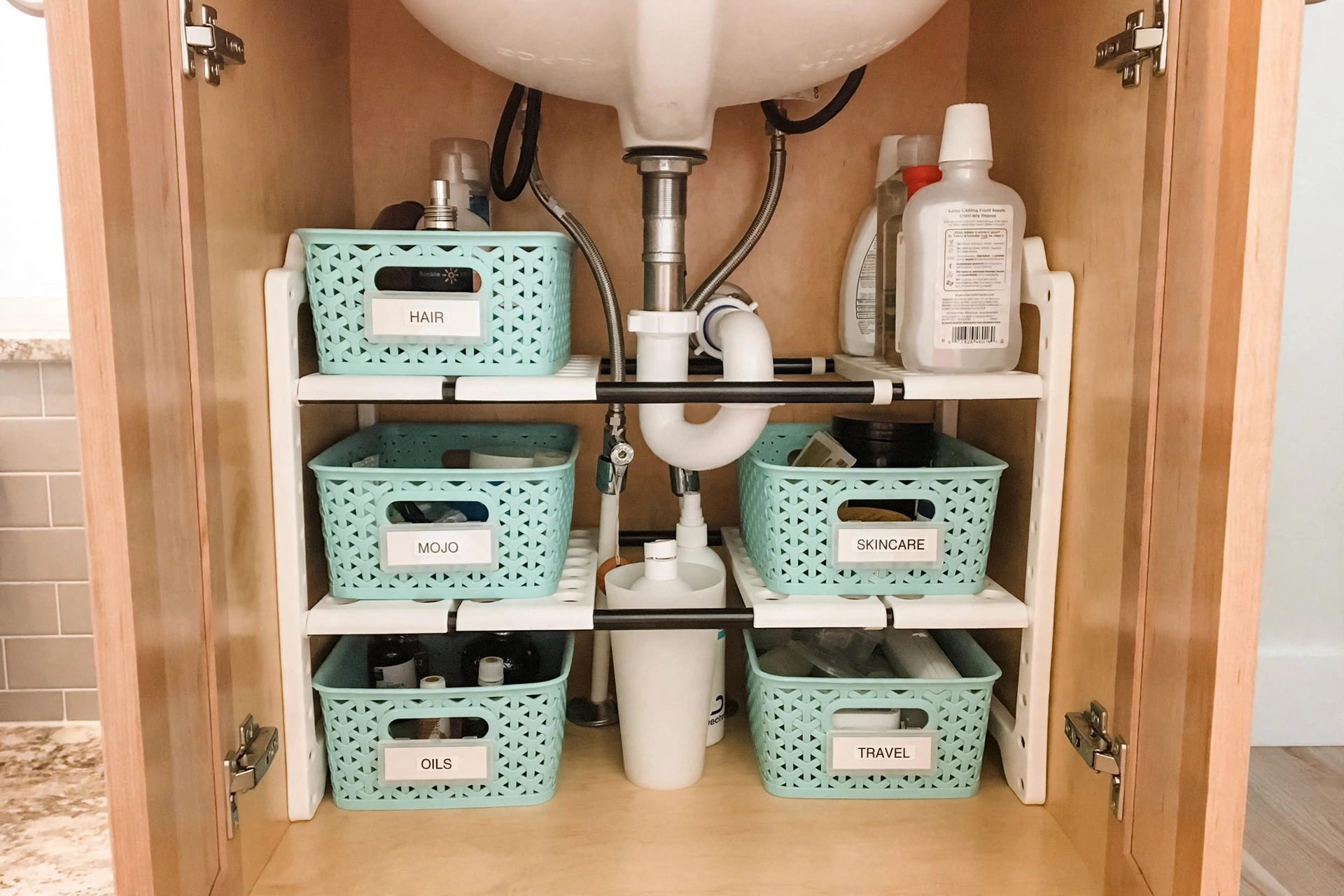
    Small bathroom with organized under-sink storage, neatly grouped toiletries, and a clear countertop

    1. Remove Products You No Longer Need

    Start by reviewing toiletries, skincare products, cleaning supplies, and spare bathroom items.

    Discard empty containers and products you no longer use. Check product labels for expiration guidance and follow the manufacturer’s recommendations for storage and disposal.

    Group what remains into simple categories:

    • Everyday personal-care products.
    • Haircare and grooming supplies.
    • Spare toiletries.
    • Towels and washcloths.
    • Bathroom cleaning products.

    Keep items you use daily in the most accessible location. Store backups separately so they do not crowd the sink.

    For products containing chemicals, follow label instructions and keep them away from children and pets.

    2. Use the Space Beneath the Sink

    If your sink has an open area underneath, it may offer useful storage space.

    Measure the height and width before buying organizers. A compact shelf unit or a few removable bins may help separate toiletries, spare supplies, and cleaning products.

    Keep containers away from leaks and ensure plumbing remains accessible for maintenance. Do not force storage around pipes or block shutoff valves.

    If the area becomes damp, remove the items, identify the moisture source, and let the space dry before reorganizing it.

    3. Make Use of Vertical Space

    When floor space is limited, vertical storage can help keep essential items off the counter.

    Depending on your bathroom layout, consider:

    • A securely mounted shelf above an appropriate wall area.
    • Hooks for towels or robes.
    • A narrow shelving unit that does not obstruct movement.
    • An over-door organizer designed for the specific door.

    Check mounting instructions, weight limits, and the suitability of the wall or door before installation. Avoid placing heavy items overhead or storing objects where they could fall into the bathtub.

    Keep ventilation openings clear and ensure shelves do not interfere with doors, mirrors, or lighting.

    4. Keep the Countertop Clear

    A crowded bathroom counter makes cleaning more difficult and leaves less room for everyday tasks.

    Choose a small number of frequently used items to keep nearby. Place similar products in a washable tray or container, and store the rest in a cabinet, drawer, or suitable organizer.

    Avoid leaving products in places where they could fall into the sink or bathtub. Keep electrical appliances away from water and follow the manufacturer’s safety instructions when using hair dryers or other powered devices.

    If your bathroom has almost no counter space, consider a wall-mounted organizer designed for the products you use most often.

    5. Organize Towels and Linens

    Towels can occupy a surprising amount of storage space.

    Keep a practical number of towels for your household and store extras in a nearby linen closet or another clean, dry location when possible.

    Fold towels in a consistent way so they fit your shelves. If you use a basket, choose one that allows enough airflow and is easy to clean.

    Allow damp towels to dry properly before placing them in a closed container. This helps reduce persistent moisture and musty odors.

    6. Choose Storage That Works in Humid Conditions

    Bathrooms experience more moisture than most other rooms, so material choice matters.

    Use storage products that are suitable for bathrooms and easy to wipe clean. Plastic, appropriately finished metal, and other moisture-resistant materials may work well depending on the location and product design.

    Avoid keeping cardboard packaging or moisture-sensitive materials in areas that regularly become wet.

    Do not place containers where they obstruct drains, trap standing water, or make it difficult to inspect potential leaks.

    7. Make Shower and Bath Products Easier to Manage

    Shower products can crowd the edges of a bathtub or shower floor.

    Keep only the products used regularly in the bathing area. Consider a properly installed shower caddy or an organizer designed for the specific fixture, provided it does not interfere with safe movement.

    Follow installation and weight-limit instructions. Check suction-mounted products regularly because suction can weaken over time, particularly on unsuitable or textured surfaces.

    Store backup products outside the immediate shower area and keep floors clear to reduce slipping and tripping hazards.

    8. Store Cleaning Supplies Separately

    Bathroom cleaning supplies should be easy to locate without occupying prime space for personal-care products.

    Use a designated container or shelf in a suitable location. Keep products in their original labeled containers whenever possible and follow all label precautions.

    Never mix cleaning chemicals unless the product labels explicitly direct you to do so. Store them securely and away from children and pets.

    If the bathroom is too small for cleaning supplies, consider a suitable household storage area outside the bathroom.

    9. Maintain the Bathroom With a Short Daily Routine

    A few small habits can help prevent clutter from returning.

    • Return toiletries to their designated places.
    • Wipe the sink and countertop after use.
    • Hang towels so they can dry.
    • Remove empty packaging.
    • Check periodically for leaks, damp areas, or damaged storage hardware.

    Once a week, review the items you use most often and move anything unnecessary out of the bathroom.

    Common Bathroom Organization Mistakes

    Overcrowding shelves: Too many items can make storage difficult to access and clean.

    Ignoring moisture: Damp storage can contribute to odors and damage some materials.

    Using unsuitable adhesives or mounts: Check surface compatibility and weight limits.

    Blocking ventilation: Leave air vents and other required clearances unobstructed.

    Keeping every backup product nearby: Store extras elsewhere when space is limited.

    Frequently Asked Questions

    How do you organize a bathroom with no cabinets?

    Use suitable wall-mounted storage, hooks, a compact shelving unit, or an organizer under the sink if there is enough space. Keep the floor and access paths clear.

    Where should extra toilet paper and toiletries go?

    Store backups in a clean, dry cabinet, shelf, basket, or nearby linen closet. Avoid locations where supplies may become damp.

    What storage is best for a small bathroom?

    The best option depends on your layout. Measure the available space and choose products that resist moisture, are easy to clean, and do not obstruct movement.

    How do I keep bathroom counters clutter-free?

    Keep only daily essentials on the counter, group small items in a washable tray, and return other products to their designated storage after use.

    Final Thoughts

    A bathroom with limited storage can still be practical and easy to maintain. Remove unnecessary products, use vertical space safely, organize the area beneath the sink when possible, and keep damp items able to dry properly.

    Start with one small improvement, such as clearing the countertop or organizing everyday toiletries. Over time, these changes can make your bathroom easier to use and clean.

    Related reading: For more ways to reduce clutter throughout your home, read How to Declutter Your Home Room by Room.

  • Small Bedroom Organization Ideas for Limited Space

    Small Bedroom Organization Ideas for Limited Space

    Small Bedroom Organization Ideas for Limited Space

    A small bedroom can be comfortable and functional, but it becomes harder to manage when clothing, bedding, books, and everyday essentials compete for limited space.

    The solution is not necessarily to add more furniture. Often, the biggest improvements come from reducing unnecessary belongings, choosing storage that fits the room, and keeping frequently used items easy to reach.

    These small bedroom organization ideas can help you make better use of your available space without making the room feel crowded.

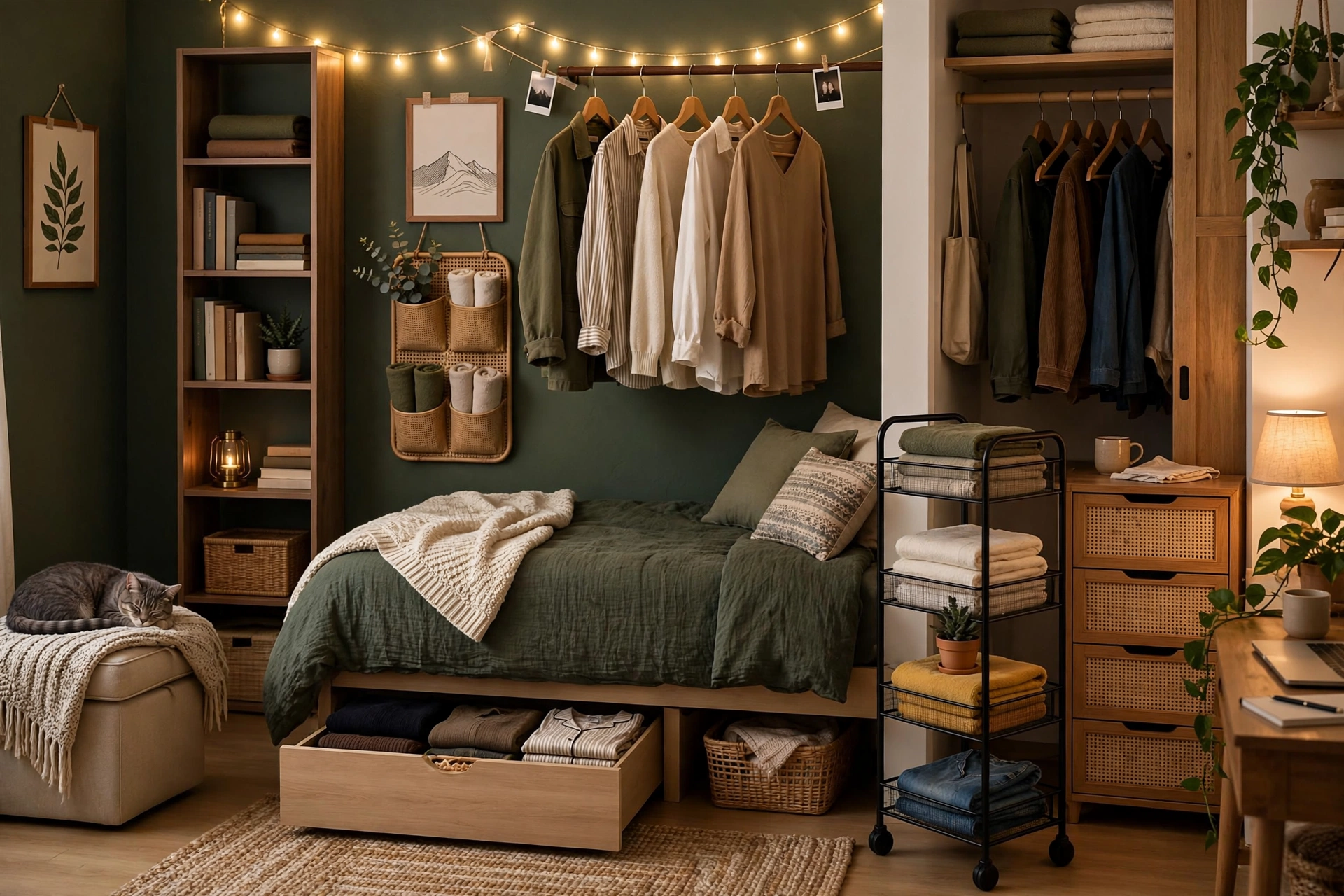
    Small bedroom with organized closet storage, neatly arranged bedding, and clear walking space.

    1. Start by Removing Unnecessary Clutter

    Before rearranging furniture or buying storage products, decide what needs to stay in the bedroom.

    Begin with one area, such as a nightstand, dresser drawer, or section of the closet. Remove items that belong elsewhere and sort the remaining belongings into categories.

    Consider removing duplicate accessories, unused decorations, worn-out clothing, and items that no longer serve your needs.

    You do not have to discard everything you have not used recently. Sentimental belongings and seasonal items may still deserve a place in your home. The goal is to make room for what matters and what you use.

    If the rest of your home also needs attention, follow our guide to decluttering your home room by room.

    2. Make Your Bed the Center of the Layout

    In a small bedroom, the bed often occupies the largest amount of floor space. Arrange the remaining furniture around it instead of trying to fit too many pieces into the room.

    Measure the bed, wardrobe, dresser, and available walking paths before moving furniture. Ensure doors and drawers can open fully and that the route to the bedroom door remains clear.

    If possible, avoid placing furniture where it blocks natural light or makes the room difficult to navigate.

    A simple layout with fewer obstructions can make a small room easier to use, even without adding storage.

    3. Use Under-Bed Storage Wisely

    The space beneath a bed can be useful for items that do not need to be accessed every day.

    Suitable options include:

    • Seasonal clothing stored in clean containers.
    • Extra bedding and blankets.
    • Spare linens.
    • Occasionally used accessories.

    Measure the clearance beneath your bed before purchasing containers. Low-profile boxes may fit better than large bins.

    Choose containers that are easy to pull out and clean. Avoid overfilling them, and check the bed manufacturer’s guidance if using drawers or storage attachments.

    Do not store damp clothing or bedding in sealed containers, as trapped moisture can contribute to odors and mold.

    4. Organize Your Closet by Category

    A crowded closet can make getting dressed unnecessarily difficult.

    Remove items from one section at a time and group clothing by type, such as shirts, trousers, dresses, outerwear, and accessories.

    Within each category, arrange items in a way that suits your routine. You might place work clothing together, keep frequently worn pieces at eye level, or group items by season.

    Use matching hangers if they help clothing hang consistently, but avoid buying new products before checking what you already own.

    For folded clothing, use shelf dividers or drawer organizers only when they improve access. Overly tight arrangements can make it harder to put things away.

    5. Take Advantage of Vertical Space

    When floor space is limited, look for safe ways to use wall and closet height.

    Depending on your room, you might use:

    • Wall-mounted shelves for lightweight items.
    • Hooks for bags, robes, or frequently used accessories.
    • Closet organizers designed for your existing shelving.
    • A compact bedside shelf instead of a bulky nightstand.

    Before installing anything, check the wall type, mounting instructions, and load limits. Secure shelves properly and avoid positioning heavy objects above the bed.

    Leave enough space around doors, windows, and ventilation openings. Storage should make the room more functional rather than creating new obstacles.

    6. Keep Nightstands and Dressers Simple

    Bedside surfaces often collect chargers, books, cups, cosmetics, and small personal items.

    Keep only the essentials within easy reach. A small tray can group loose items, while a drawer organizer can separate cables, reading glasses, and other accessories.

    If you have limited floor space, consider whether you need a full-size nightstand. A narrow table or wall-mounted shelf may meet your needs, provided it is installed securely.

    Avoid filling every empty surface with decorations. Leaving some clear space makes cleaning easier and helps the room feel less crowded.

    7. Make Laundry Easier to Manage

    Laundry can quickly become a source of bedroom clutter when there is no clear routine.

    Place a laundry hamper where it is convenient but does not block a walkway or door. If you have enough room, separate everyday laundry from items that require special care.

    Return clean clothes to their proper storage locations rather than leaving them in baskets for long periods.

    Check garment care labels before washing, drying, or storing clothing. Keep clean and dirty items separate to maintain a more manageable routine.

    8. Store Seasonal Items Separately

    Bulky coats, extra blankets, and seasonal accessories can take up space throughout the year.

    When these items are not needed, store them in a suitable closet, under-bed container, or other clean, dry storage area.

    Label containers clearly so you can find items when the season changes. Make sure stored fabrics are clean and fully dry before packing them away.

    Do not place heavy containers in high or unstable locations where retrieving them could cause an injury.

    9. Create a Five-Minute Bedroom Reset

    The best organization system is one you can maintain without much effort.

    At the end of the day, try to:

    1. Put clothing in the hamper or return clean items to storage.
    2. Clear the nightstand of unnecessary belongings.
    3. Return books, chargers, and accessories to their designated places.
    4. Remove rubbish and dishes.
    5. Keep the floor and route to the door clear.

    These small habits can prevent clutter from accumulating and reduce the need for frequent, time-consuming reorganizing.

    Common Small Bedroom Organization Mistakes

    Adding too much furniture: Every additional piece reduces available floor space.

    Buying storage without measuring: Containers that do not fit may become clutter themselves.

    Overloading shelves: Too much weight can make storage unsafe.

    Ignoring daily habits: A complicated system may be difficult to maintain.

    Storing everything under the bed: Keep the area accessible and avoid storing items that need regular use but are difficult to retrieve.

    Frequently Asked Questions

    How do you organize a small bedroom with no closet?

    Use a suitable clothing rack, a compact dresser, wall-mounted hooks, or a freestanding wardrobe if there is enough room. Keep walking paths clear and select storage that fits your actual belongings.

    What should I store under my bed?

    Clean, dry seasonal clothing, extra bedding, and occasional-use items are good options when stored in suitable containers.

    How can I make a small bedroom feel less cluttered?

    Reduce unnecessary belongings, keep surfaces simple, choose furniture that fits the room, and avoid blocking windows or walkways.

    Are storage beds worth it?

    They can be useful when you need extra storage and can access the compartments comfortably. Consider the room layout, available clearance, and how frequently you will retrieve stored items.

    Final Thoughts

    A small bedroom does not need complicated storage systems to work well. Start by reducing clutter, arranging furniture carefully, organizing clothing by category, and making practical use of the space you already have.

    Choose a few changes that solve your biggest problems first. Once those systems become part of your routine, maintaining an organized bedroom becomes much easier.

    Related reading: Learn how to create simple home organization systems that are easy to maintain.

  • How to Declutter Your Home Room by Room

    How to Declutter Your Home Room by Room

    How to Declutter Your Home Room by Room

    Decluttering an entire home can feel overwhelming when every room seems to need attention. Closets fill up, kitchen counters collect unused items, and storage areas become difficult to manage.

    Instead of trying to clean everything in one weekend, break the work into smaller, manageable tasks. Working room by room helps you see progress, make better decisions about your belongings, and avoid creating new piles of clutter elsewhere.

    This guide explains how to declutter your home room by room and build a system that is easier to maintain.

    Declutter Your Home Room by Room
    Household decluttering supplies and sorted belongings arranged for a room-by-room home organization project

    1. Make a Simple Decluttering Plan

    Before you begin, decide which room or area needs attention most. Choose a small starting point, such as one drawer, one shelf, or a single countertop.

    Prepare four categories:

    • Keep: Items you use, need, or genuinely value.
    • Donate: Usable items that could benefit someone else.
    • Recycle: Materials accepted by your local recycling program.
    • Discard: Broken or unusable items that cannot reasonably be repaired or reused.

    Some belongings require special handling. Dispose of batteries, electronics, medications, paint, and other household hazardous waste according to local guidance rather than placing everything in regular trash.

    Set a realistic time limit. Even 15 to 20 minutes can make a difference when you focus on one small area.

    2. Start With the Living Room

    Living rooms often collect items that belong in other parts of the home.

    Begin by removing obvious rubbish, returning dishes to the kitchen, and gathering belongings that have been left behind. Then examine shelves, side tables, entertainment units, and decorative surfaces.

    Ask yourself whether each item serves a purpose, adds meaningful enjoyment, or simply occupies space.

    Use baskets for a limited number of frequently used items, such as remote controls or reading materials. Avoid turning baskets into permanent containers for miscellaneous belongings.

    Keep walkways clear and make sure cords, lamps, and furniture do not create tripping hazards.

    3. Declutter the Kitchen

    Kitchens are easier to use when frequently needed items are accessible and unnecessary duplicates are removed.

    Review one cabinet or drawer at a time. Look for gadgets you never use, duplicate utensils, damaged containers, and dishes that no longer serve your household.

    Group remaining items by purpose. Keep cooking tools near the preparation area and everyday dishes in convenient cabinets.

    Check food storage areas for expired products and follow package instructions for safe disposal. Do not rely on appearance alone to determine whether questionable food is safe.

    For a more detailed storage plan, read our guide to organizing a small kitchen with limited cabinet space.

    4. Simplify the Bedroom

    A bedroom should support rest and daily routines, not become a storage area for unrelated belongings.

    Start with nightstands, dressers, and visible surfaces. Remove old papers, empty packaging, and items that belong elsewhere.

    Review clothing by category rather than emptying the entire closet at once. Consider whether each item fits your current needs, is comfortable to wear, and is in usable condition.

    Store seasonal clothing separately when appropriate, but avoid packing items so tightly that they become difficult to access.

    Keep floors and paths to doors clear. Make sure storage containers under the bed do not obstruct ventilation or create access problems.

    For more ideas, see small bedroom organization ideas for limited space.

    5. Organize the Bathroom

    Bathrooms often accumulate nearly empty bottles, duplicate toiletries, old cosmetics, and products that are no longer suitable for use.

    Check expiration dates and manufacturer guidance where applicable. Follow local instructions for disposing of medications and personal-care products rather than flushing them unless the label or local authority specifically recommends doing so.

    Group everyday products together and store less frequently used supplies separately. Use containers that are easy to clean and suitable for damp environments.

    Avoid overcrowding shelves or placing items where they could fall into a sink, bathtub, or walkway.

    If storage is limited, our guide to organizing a small bathroom with no storage offers more targeted ideas.

    6. Tackle Closets and Entryways

    Closets can become difficult to use when items are stored without a clear purpose.

    Remove belongings that no longer fit your needs, then group what remains by category. Keep frequently used clothing, bags, and shoes easy to reach.

    In an entryway, create a designated place for everyday essentials such as keys, coats, shoes, and bags. A small tray or a few sturdy hooks may be enough.

    Do not overload hooks or shelves, and make sure stored items do not block doors or emergency exits.

    7. Deal With Paperwork and Miscellaneous Items

    Paper clutter can be difficult because some documents must be retained while others can be recycled.

    Sort papers into actionable documents, records to retain, and items that can be securely discarded. Follow applicable retention requirements for financial, legal, tax, and other important documents.

    Keep sensitive information secure. Shred documents containing personal details when appropriate, and use reputable disposal methods for confidential material.

    For miscellaneous belongings, decide where each category should live. If an item has no clear purpose or suitable place, consider whether you need to keep it.

    8. Make Decluttering Easier to Maintain

    Once a room is organized, use simple habits to prevent clutter from building up again.

    Try a short daily reset:

    • Return items to their designated places.
    • Put away clean clothes.
    • Clear kitchen and bathroom surfaces.
    • Sort incoming mail and paperwork.
    • Remove rubbish and recycling regularly.

    When bringing new items into your home, consider where they will be stored before purchasing them.

    You do not need to eliminate every unused object or maintain a minimalist home. The goal is to create a space that supports your household and makes everyday tasks easier.

    Common Decluttering Mistakes

    Doing too much at once: Large projects can become exhausting. Break them into manageable areas.

    Buying storage products too early: Organizers cannot solve a problem caused by keeping too many unnecessary items.

    Moving clutter between rooms: Give belongings a proper destination instead of transferring piles from one space to another.

    Making rushed decisions: Take additional time with sentimental belongings, important records, and items that may require special disposal.

    Expecting instant perfection: Decluttering is an ongoing process, not a one-time achievement.

    Frequently Asked Questions

    What is the easiest room to declutter first?

    Start with a small, visible area that contains mostly easy decisions, such as a bathroom counter, a kitchen drawer, or an entryway shelf. Finishing a small task can help build momentum.

    How long should decluttering take each day?

    Choose an amount of time that fits your schedule. A short, focused session is often more manageable than trying to complete the whole house at once.

    Should I buy storage bins before decluttering?

    Usually, no. Sort your belongings first, decide what you will keep, and then measure the available space before purchasing storage products.

    How do I stop clutter from returning?

    Give frequently used belongings a designated home, return items after use, and review incoming purchases before bringing them into your living space.

    Final Thoughts

    Decluttering becomes more manageable when you approach your home one room at a time. Start small, make practical decisions, and create storage arrangements that fit your daily routines.

    You do not have to finish everything immediately. Consistent progress can help you build a home that feels easier to use and maintain.

    Related reading: Explore our guides to small bedroom organization, small bathroom storage, and simple home organization systems.

  • How to Organize a Small Kitchen With Limited Cabinet Space

    How to Organize a Small Kitchen With Limited Cabinet Space

    How to Organize a Small Kitchen With Limited Cabinet Space

    A small kitchen can feel crowded even when you do not own many dishes or cooking tools. Limited cabinets, cluttered countertops, and hard-to-reach shelves can make everyday cooking more frustrating than it needs to be.

    The good news is that you do not always need a larger kitchen or expensive storage products. A few thoughtful changes can help you use your existing space more efficiently and make frequently used items easier to reach.

    Here is how to organize a small kitchen with limited cabinet space while keeping it practical for everyday life.

    organize-small-kitchen-limited-cabinet-space
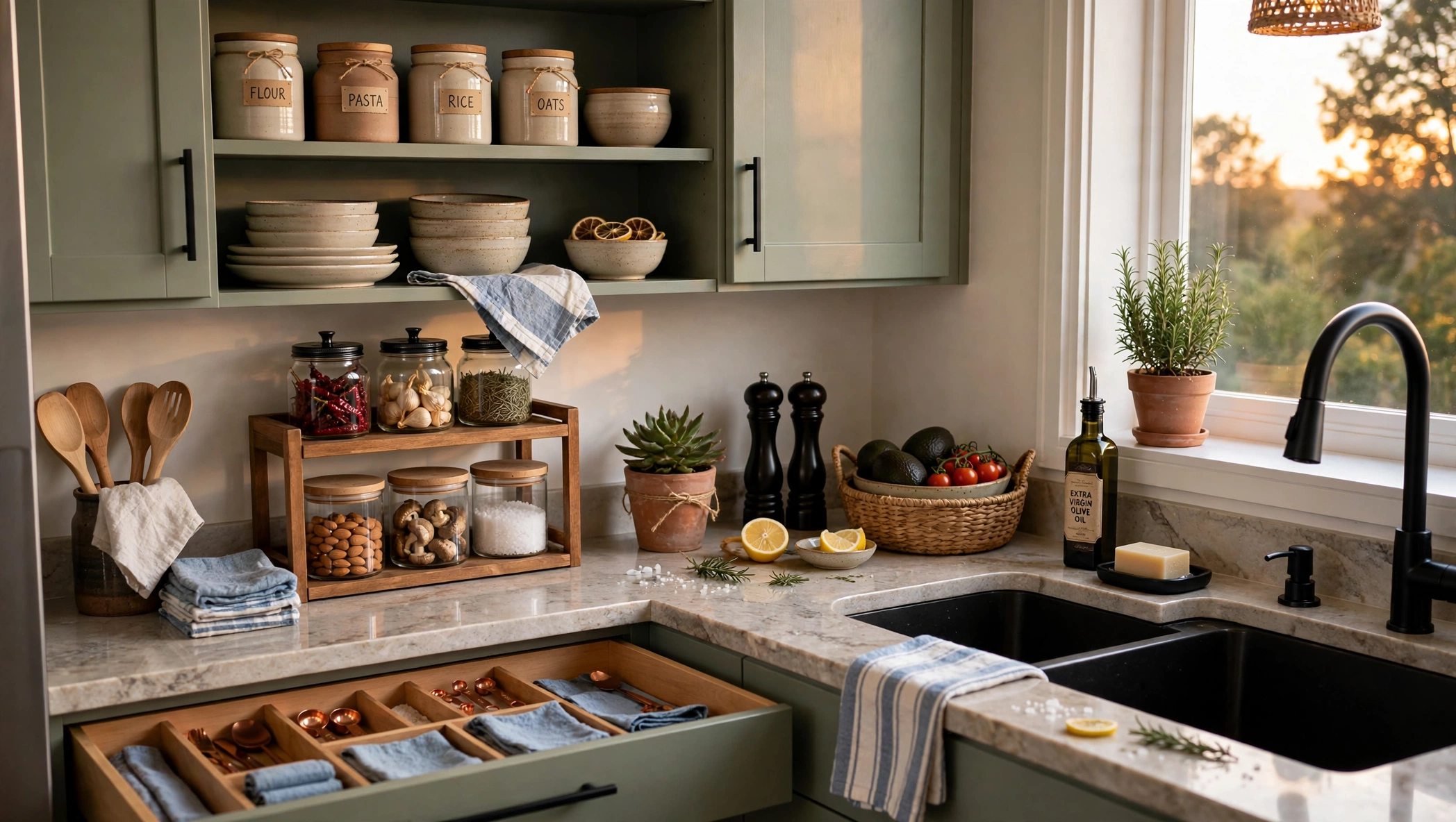
    Organized small kitchen cabinet with neatly arranged dishes and practical storage solutions

    1. Declutter Before Rearranging Your Kitchen

    Before buying organizers or moving everything around, take a few minutes to identify what you actually use.

    Remove items from one cabinet or drawer at a time. This makes the process easier to manage and helps you see how much space is available.

    Sort items into three groups:

    • Keep: Items you use regularly or genuinely need.
    • Relocate: Items that belong elsewhere in the home.
    • Donate or discard: Usable items you no longer need, or damaged items that cannot be repaired safely.

    Pay particular attention to duplicate utensils, rarely used gadgets, mismatched containers, and cups that take up valuable shelf space.

    Avoid emptying every cabinet at once. Working in small sections makes it easier to finish the task without turning your kitchen into a larger mess.

    2. Organize Cabinets Around Your Daily Routine

    Store items near the places where you use them.

    Keep plates, bowls, and glasses close to the dishwasher or drying area. Place cooking utensils near the stove, and keep frequently used ingredients near your main food preparation surface.

    Create simple kitchen zones:

    • Cooking zone: Pots, pans, cooking utensils, and frequently used spices.
    • Food preparation zone: Cutting boards, mixing bowls, and measuring tools.
    • Dishwashing zone: Dish soap, drying supplies, and everyday dishes.
    • Food storage zone: Food containers, wraps, and suitable pantry items.

    This arrangement reduces unnecessary movement and makes it easier for everyone in the household to return items to the right place.

    3. Make Better Use of Vertical Space

    When cabinets are short or shelves are crowded, vertical space can make a noticeable difference.

    Consider adding shelf risers to create another level for lightweight dishes or mugs. Under-shelf baskets may provide additional room for napkins, wraps, or other suitable items.

    For cabinet doors, use organizers designed for the specific door and cabinet construction. Check the weight limits and make sure hinges can handle the additional load.

    Do not stack heavy cookware too high or place items where they could fall when a cabinet opens.

    4. Choose Storage Containers Carefully

    Food containers can become difficult to manage when lids and bases are mixed together.

    Keep matching sets together and store lids vertically in a divider when possible. Choose containers that nest inside one another to reduce wasted space.

    Before buying a new set, measure your available shelves and drawers. A container that looks compact in a store may not fit well in your cabinet.

    For pantry ingredients, clear, properly sealed containers can make it easier to see what you have. Label containers when their contents are not immediately recognizable, and follow appropriate food storage instructions.

    5. Keep Countertops Clear Without Hiding Everything

    Countertops are valuable working surfaces, especially in a small kitchen.

    Keep only the appliances and supplies you use frequently within easy reach. Store occasional-use appliances elsewhere if you have a suitable location.

    A small tray can group everyday items such as cooking oil and salt, preventing them from spreading across the counter. However, keep the area around the stove clear and follow appliance manufacturers’ clearance requirements.

    Avoid storing items beside heat sources or where they could interfere with food preparation.

    6. Organize Drawers and Narrow Spaces

    Kitchen drawers often become cluttered because different items are mixed together.

    Use adjustable dividers to separate utensils, measuring spoons, and small tools. Group similar items so you can find what you need without moving everything around.

    For narrow gaps, consider a slim rolling cart only if there is enough clearance to move it safely. It should not obstruct walkways, doors, or access to appliances.

    Use organizers that fit your existing dimensions rather than trying to force too many products into a small area.

    7. Move Occasional-Use Items Elsewhere

    Not every kitchen item needs to stay in the kitchen.

    Seasonal serving dishes, special-occasion cookware, and appliances used only occasionally may fit better in a suitable nearby storage area.

    Keep frequently used items in the most accessible locations. Store heavier objects at a comfortable height, and avoid placing anything where reaching it requires climbing on unstable furniture.

    If you have limited storage throughout the home, start by keeping fewer duplicate items rather than moving clutter from one room to another.

    8. Create a Simple Maintenance Routine

    An organized kitchen is easier to maintain when every item has a clear place.

    Try these small habits:

    • Return cooking tools to their designated locations after use.
    • Wipe countertops after food preparation.
    • Check food supplies before shopping.
    • Put clean dishes away instead of leaving them on the counter.
    • Spend five minutes resetting the kitchen at the end of the day.

    The goal is not to keep the kitchen perfect at all times. It is to make it easy to restore order without needing another major reorganization.

    Common Kitchen Organization Mistakes to Avoid

    Buying organizers before measuring: Products that do not fit can create more clutter.

    Keeping too many rarely used items: Valuable cabinet space should serve your daily needs first.

    Ignoring accessibility: Frequently used items should not require awkward reaching or unsafe stacking.

    Overfilling shelves: Leave enough room to remove dishes and containers comfortably.

    Creating complicated systems: Simple storage arrangements are usually easier for the whole household to maintain.

    Frequently Asked Questions

    How do you organize a small kitchen with very little storage?

    Start by removing items you no longer use. Then group belongings by activity, use vertical cabinet space where safe, and store occasional-use items elsewhere when practical.

    What should go in the most accessible kitchen cabinets?

    Keep everyday plates, glasses, cooking tools, and commonly used ingredients in convenient locations. Place heavy items where you can lift them comfortably.

    Are kitchen organizers worth buying?

    They can be helpful when they solve a specific problem. Measure your cabinets first and choose products that improve access rather than simply adding more containers.

    How can I keep a small kitchen organized?

    Give each item a designated place, return items after use, and schedule a brief daily reset. Reassess your storage when clutter begins to return.

    Final Thoughts

    A small kitchen can work well when storage reflects your actual routine. Declutter first, organize cabinets by activity, make safe use of vertical space, and keep frequently used items accessible.

    Start with one cabinet or drawer rather than trying to reorganize everything in a day. Small improvements can make cooking, cleaning, and everyday kitchen tasks easier.

    Related reading: See our guide to decluttering your home room by room for a practical approach to organizing the rest of your living space.