Simple Home Organization Systems That Are Easy to Maintain
Keeping a home organized is not just about finding the right baskets or arranging everything neatly. The real challenge is maintaining that order when daily life gets busy.
Mail arrives, laundry piles up, kitchen counters become crowded, and items are often left wherever they are most convenient.
A practical organization system makes it easier to put things away without having to think about every decision. You do not need an elaborate schedule or expensive storage products. A few simple routines and clearly defined storage areas can make a meaningful difference.
Here are practical home organization systems you can adapt to your space, household, and daily routine.
1. Give Every Frequently Used Item a Home
One of the simplest ways to reduce clutter is to decide where everyday belongings should go.
Keys might belong in a small entryway tray. Remote controls can stay in a designated basket. Cleaning supplies can have a specific storage location, and commonly used kitchen tools can remain near the area where you prepare food.
Choose locations based on how you actually use each item.
Ask yourself:
- Where do I usually need this item?
- Can I reach its storage location comfortably?
- Is it easy to return the item after use?
- Does its location create an obstacle or safety concern?
If an item repeatedly ends up on the same surface, that may be a sign that its designated storage location is inconvenient.
Adjust the system rather than repeatedly blaming yourself for not putting things away.
2. Create a Simple Entryway System
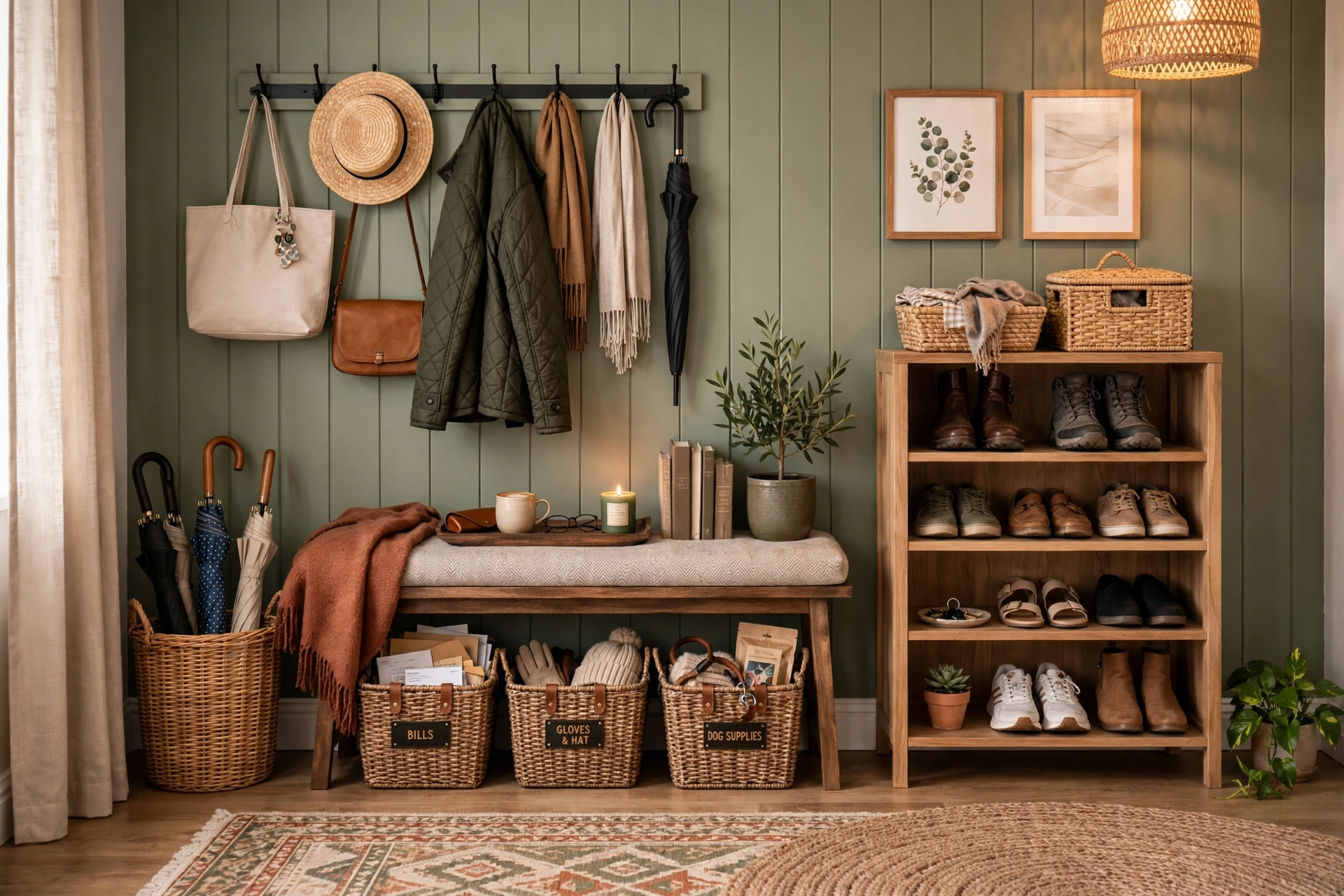
The entryway is where many households collect keys, shoes, coats, bags, and incoming mail.
A small, organized landing area can help prevent these items from spreading throughout the home.
Depending on your available space, consider using:
- A small tray for keys and everyday essentials.
- A few securely installed hooks for frequently used bags or coats.
- A shoe rack that fits without blocking the doorway.
- A designated place for mail that needs attention.
Avoid placing too many items near the entrance. Keep doors, exits, and walking paths clear.
If your home has no separate entryway, a small section of a hallway or a shelf near the main door may serve the same purpose.
3. Use the One-Category-at-a-Time Method
When a drawer or cabinet becomes crowded, it can be tempting to reorganize everything at once.
Instead, work with one category of belongings at a time. For example, sort reusable food containers before moving on to cooking utensils, or organize socks before reviewing other clothing.
This approach helps you compare similar items and identify duplicates.
Once you decide what to keep, arrange the items so frequently used belongings are easiest to reach. Store occasional-use items separately when appropriate.
You can apply this method to almost any part of the home, from bathroom toiletries to office supplies and household tools.
4. Build a Small Daily Reset Routine
A short daily reset can prevent small messes from turning into large projects.
Choose a convenient time, such as before bed or after dinner, and spend a few minutes returning items to their designated places.
Your routine might include:
- Clearing the kitchen counter.
- Returning remote controls and books.
- Putting away clean clothing.
- Gathering rubbish and recycling.
- Checking that frequently used items are ready for the next day.
Keep the routine realistic. It should fit into your normal schedule rather than become another demanding household task.
If several people share the home, divide tasks according to ability, availability, and household needs.
5. Organize Cleaning Supplies by Task
Cleaning supplies are easier to manage when they have a clear storage location.
Group related products together, such as bathroom cleaners, kitchen cleaning supplies, and laundry products. Keep products in their original labeled containers and follow the manufacturer’s storage and safety instructions.
Do not mix cleaning chemicals unless the product labels explicitly instruct you to do so. Store hazardous products securely and away from children and pets.
You do not necessarily need separate cleaning kits for every room. Choose a system that fits the size of your home and the products you actually use.
Check supplies periodically before purchasing replacements to avoid accumulating duplicate bottles.
6. Create a Paperwork Management System
Mail, receipts, school papers, bills, and household documents can quickly accumulate on counters and desks.
Create a small system with three categories:
Action needed: Bills, forms, appointments, and documents that require a response.
Keep: Important records that need to be retained.
Recycle or securely discard: Unneeded papers, handled according to local recycling and privacy guidance.
Review incoming mail regularly rather than allowing it to accumulate.
Store important documents in a secure, clearly labeled location. Follow applicable retention requirements for financial, tax, legal, and other records.
For sensitive paperwork, use appropriate secure disposal methods instead of placing documents containing personal information in ordinary recycling.
7. Make Laundry Easier to Manage
Laundry is more manageable when clean and dirty clothes have designated places.
Place hampers in convenient locations, but make sure they do not obstruct doors or walking paths. If helpful, use separate containers for different laundry categories.
Follow garment care labels and avoid overloading washing machines or dryers. Return clean clothing to closets and drawers when practical instead of leaving it in baskets for several days.
If laundry frequently piles up, consider whether the current routine is too complicated. A simpler schedule that fits your household may be easier to maintain than a rigid system.
8. Avoid Buying Storage Products Without a Plan
Storage products can be helpful, but they do not automatically solve clutter.
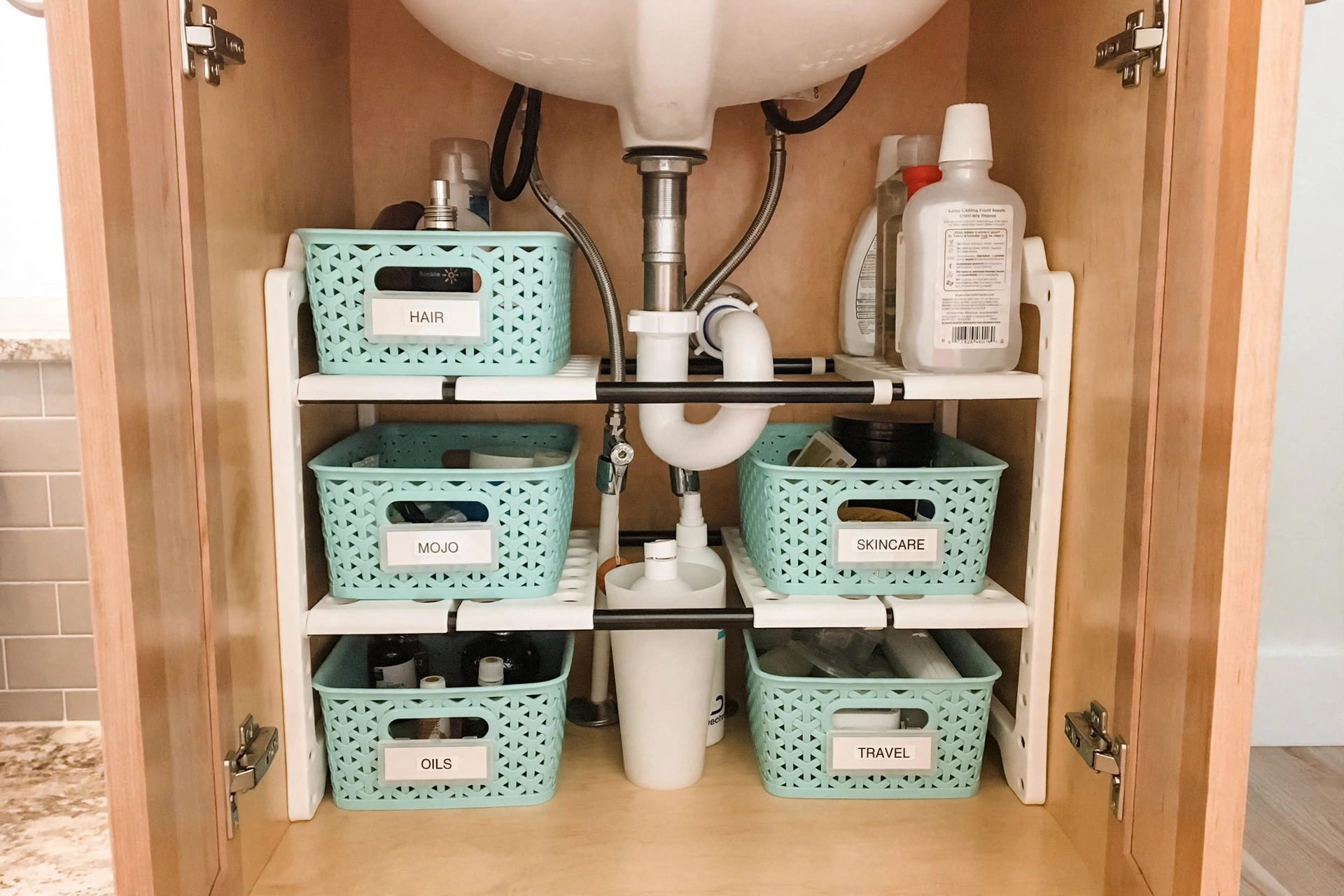
Before buying baskets, bins, drawer dividers, or shelves, identify the specific problem you want to solve.
Measure the available space, check the product dimensions, and consider how often you will need to access the contents.
Choose products that are easy to clean and appropriate for their intended environment. Make sure shelves, hooks, and wall-mounted units are installed securely and used within their stated weight limits.
Sometimes the best organization improvement is removing unnecessary belongings rather than adding more storage.
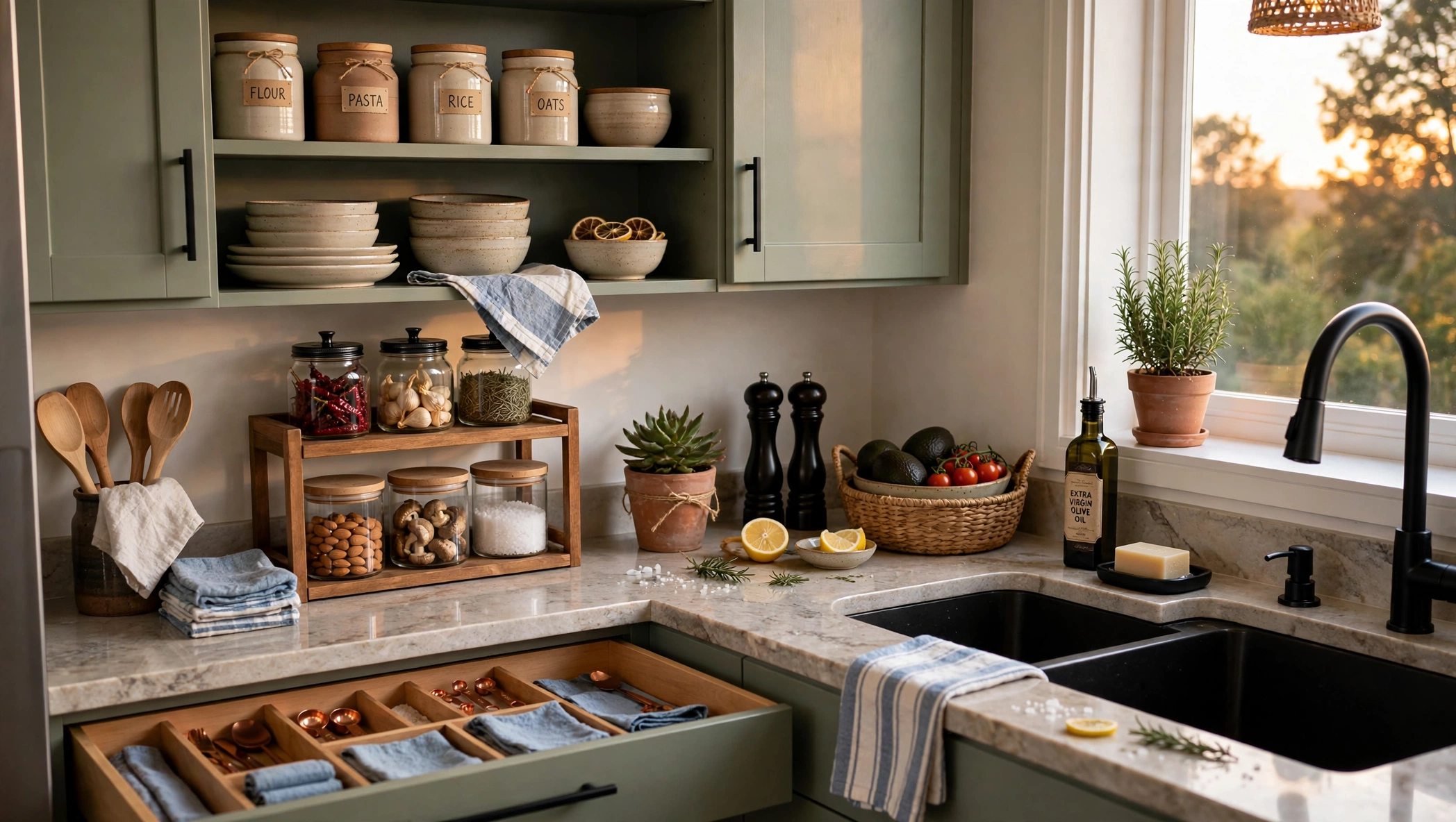
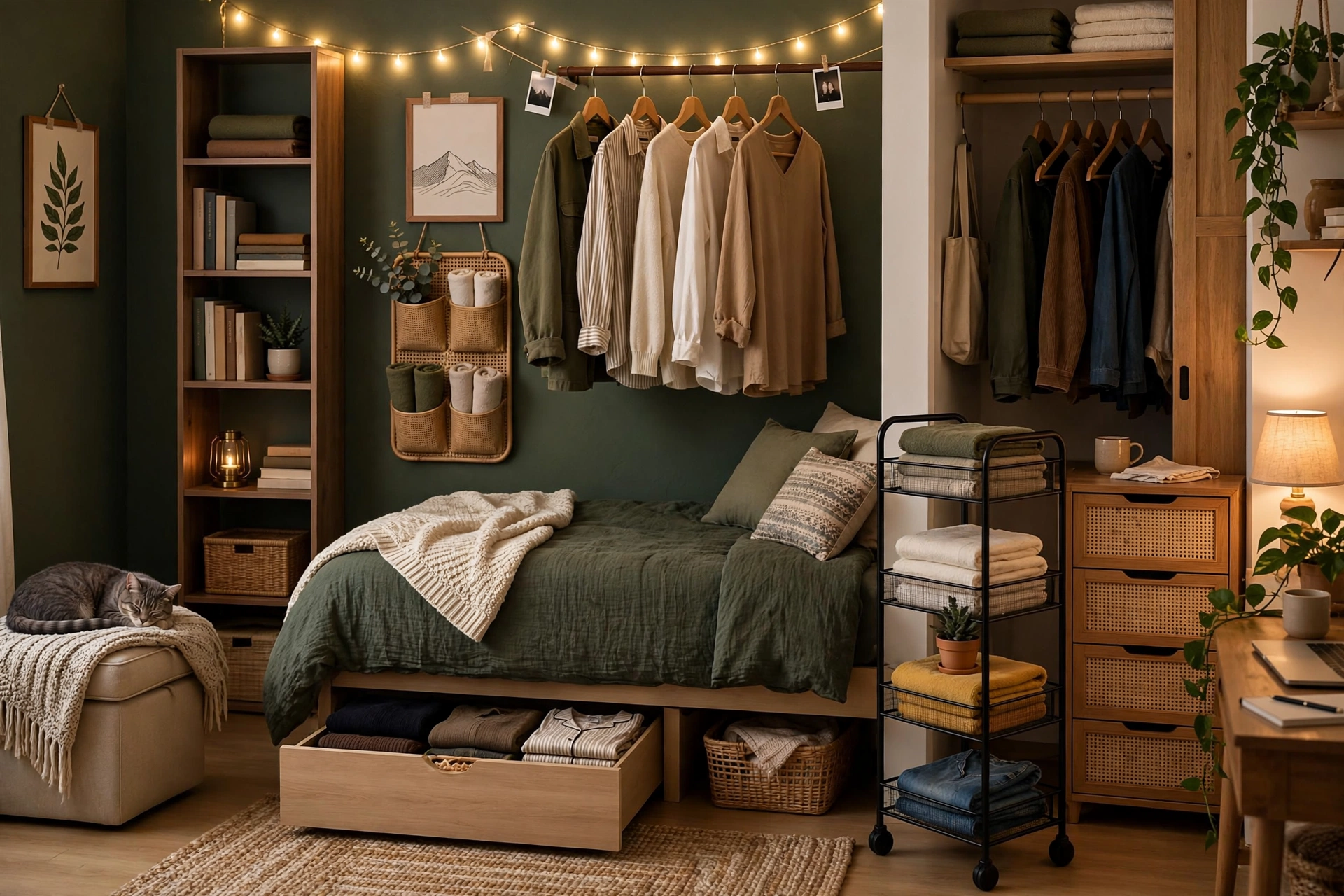
For room-specific ideas, explore our guides to organizing a small kitchen with limited cabinet space and organizing a small bedroom.
9. Review Your Systems Once a Month
Even a good organization system may need occasional adjustments.
Once a month, review the areas that become cluttered most often. Look for items that no longer belong there, storage arrangements that are difficult to use, or routines that no longer fit your schedule.
Ask yourself three questions:
- What is working well?
- Where does clutter keep returning?
- What is one change that would make this area easier to maintain?
Make one or two adjustments at a time. Constantly redesigning every room can create unnecessary work.
If a storage arrangement requires too many steps, simplify it until it becomes practical for everyday use.
Common Home Organization Mistakes
Making systems too complicated: A simple arrangement is easier to remember and maintain.
Trying to organize everything in one day: Smaller tasks are often easier to complete consistently.
Buying too many containers: Storage products should solve a specific problem, not create more places for unused items.
Ignoring household routines: A system must work for the people who use it.
Expecting a permanently perfect home: Normal daily activity creates some mess. The goal is to make resetting the space manageable.
Frequently Asked Questions
What is the easiest way to organize a home?
Start with one small area, remove unnecessary belongings, and assign a clear location to frequently used items. Then establish a short routine for returning things to their places.
How can I keep my home organized when I am busy?
Focus on a few high-impact habits, such as clearing counters, putting away clothing, and sorting incoming mail. Short routines can be easier to maintain than large, occasional cleaning sessions.
Do I need to buy storage bins to organize my home?
No. Use existing containers and furniture where possible. Purchase new organizers only after identifying a specific need and measuring the available space.
How often should I declutter my home?
There is no universal schedule. A brief weekly review and occasional deeper decluttering sessions may be sufficient, depending on your household and how quickly belongings accumulate.
How do I get my family to follow an organization system?
Make storage locations obvious, easy to access, and convenient to use. Explain the system clearly and agree on simple shared routines rather than creating complicated rules.
Final Thoughts
A well-organized home does not depend on perfect rooms or expensive storage products. It depends on simple systems that fit your daily life.
Give everyday belongings a home, establish a short reset routine, manage paperwork and laundry consistently, and review storage arrangements when they stop working.
Start with one habit today. Once it becomes part of your routine, add another small improvement. Over time, these practical systems can help you maintain a more comfortable and functional home.
Related reading: Explore our guide to decluttering your home room by room for a step-by-step approach to reducing clutter throughout your home.