DETROIT — The toll of former President Donald J. Trump’s aggressive trade policies came into sharp focus this week as more than 40,000 workers lost their jobs following the sudden collapse of major Nissan and Subaru facilities in the United States and Japan.
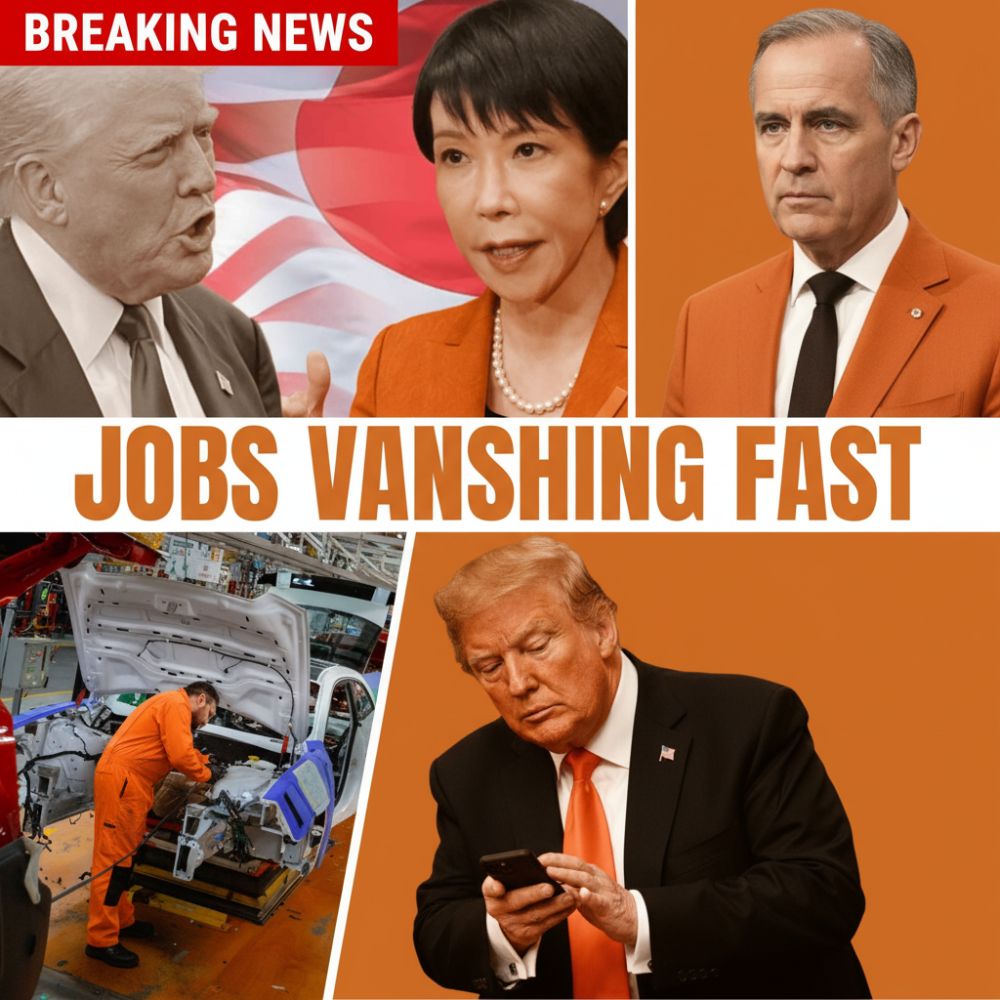
What began as a bold “America First” manufacturing strategy has spiraled into what economists are calling an avoidable catastrophe — one that has left entire communities reeling and handed a strategic advantage to America’s northern neighbor.
The crisis erupted after new rounds of tariffs and counter-tariffs triggered a cascade of shutdowns. Nissan suspended operations at three U.S. plants, while Subaru announced the immediate closure of two key assembly lines in the Midwest.
Combined with supplier bankruptcies and logistics failures, the job losses climbed past 40,000 in under 48 hours.
“This is not a market correction,” said Elena Vasquez, chief economist at the Global Trade Institute. “This is a rout. And it was entirely predictable.”
Inside the White House, aides described the former president’s reaction as explosive. According to multiple sources, Trump erupted behind closed doors, demanding answers and blaming everyone from foreign leaders to his own trade advisers.
But on social media, he struck a defiant tone: “Fake news. The auto industry will come back bigger than ever. Wait and see.”
The numbers tell a different story. Nissan reported nearly $3 billion in projected losses. Subaru’s stock price plunged 22 percent in a single day. In Japan, officials expressed alarm as the ripple effects threatened regional economies.
Meanwhile, Canada watched quietly — and then struck.
Within hours of the first factory closures, Canadian trade officials unveiled an accelerated investment package, luring displaced auto suppliers and skilled workers across the border.
“Canada is open for business,” Prime Minister Justin Trudeau said in a televised address. “Stability. Fair wages. Long-term vision. That is what we offer.”
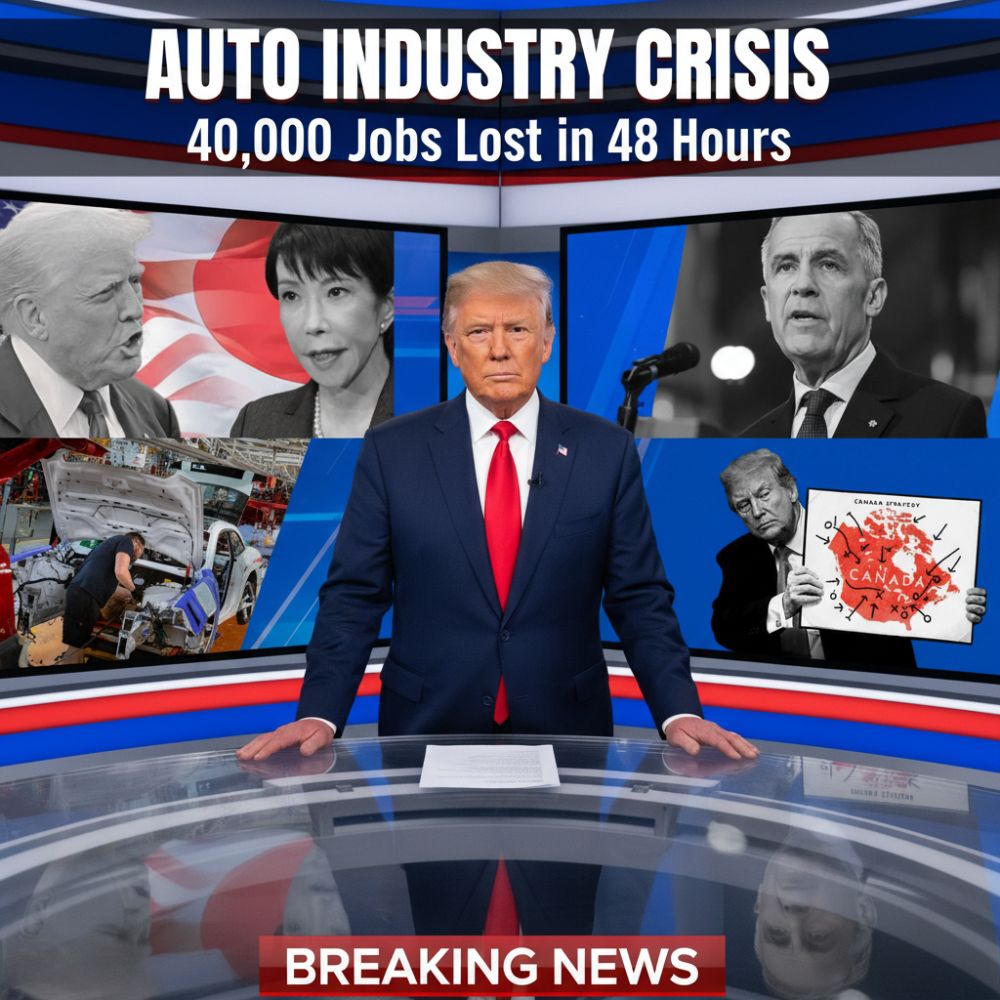
By week’s end, three former Nissan suppliers had already signed provisional deals to relocate to Ontario. Industry analysts estimate Canada could capture up to 15 percent of the North American auto market within 18 months.
“Trump wanted to bring jobs back to America,” said trade lawyer Michael Hendricks. “Instead, he just exported them north.”
The human cost is mounting. In Smyrna, Tennessee — home to a massive Nissan plant — families gathered outside shuttered gates, holding signs that read “We Voted for This?” and “Where Is America First Now?”
Maria Hernandez, a 14-year veteran of the assembly line, wiped away tears. “I believed him,” she said. “He said he’d fight for us. Now I don’t know how I’ll pay my rent.”
Economists warn that this may only be the beginning. With supply chains in tatters and investor confidence evaporating, further layoffs are expected across steel, logistics, and parts manufacturing.
“This is what happens when trade policy is built on rage rather than reality,” Vasquez added. “You don’t hurt China. You hurt your own people.”
The political fallout is already spreading. Several Republican lawmakers in auto-dependent districts have begun distancing themselves from Trump’s trade rhetoric, quietly urging the Biden administration to negotiate emergency relief.
But for the 40,000 workers who lost their jobs this week, relief cannot come fast enough.
As dusk fell over the deserted Nissan lot in Tennessee, one worker scrawled a message on a cardboard box left behind in the rush to leave:
“Made in America. Dismantled by America.”
Canada, meanwhile, is already planning its victory lap — and hiring.