TOKYO — In a move that has stunned defense analysts and raised fresh questions about Western military alignment, Japan, the United Kingdom, and Italy have reportedly opened the door for Canada to join their closely guarded next-generation fighter jet program.
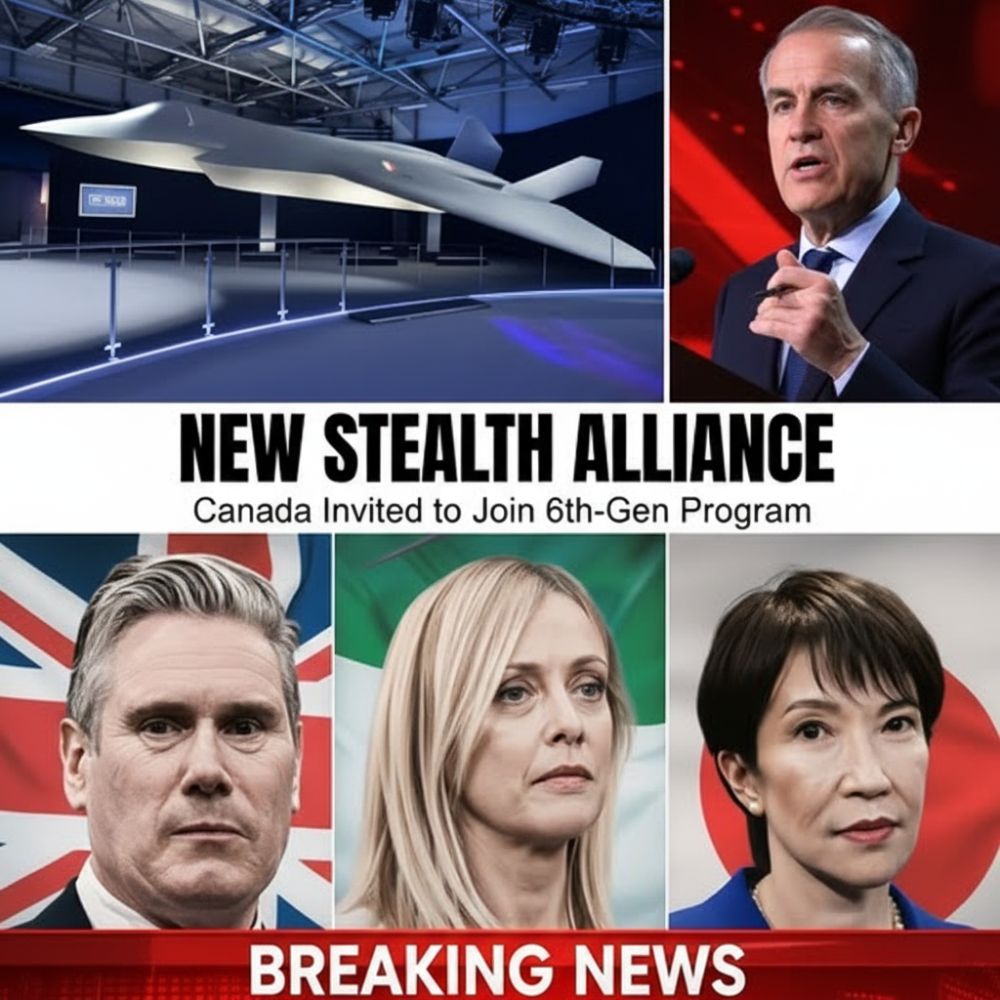
What began as a tightly coordinated trilateral initiative is now poised to become a broader strategic alliance — one that deliberately sidesteps traditional U.S.-led platforms.
The program in question is the Global Combat Air Programme, an ambitious effort to develop a sixth-generation fighter featuring advanced stealth capabilities, artificial intelligence integration, and network-centric warfare systems. Until now, the partnership had remained exclusive.
But according to multiple sources familiar with the discussions, Canadian officials have received informal invitations to observe and potentially join the next phase of development.
Neither Ottawa nor the three partner nations have issued formal statements. But behind closed doors, according to diplomats, the conversations have been described as “serious and urgent.”
“This is not a symbolic gesture,” said James Cowan, a former British defense official. “Canada brings industrial capacity, Arctic expertise, and geopolitical credibility. This would fundamentally change the program’s weight.”
The invitation comes at a delicate moment. For decades, Canada has relied on American-made fighter jets, including the aging CF-18 fleet and ongoing debates over purchasing the F-35. But political friction over defense spending and trade has cooled relations between Ottawa and Washington.
Joining the GCAP would represent a decisive pivot. Instead of deepening reliance on U.S. platforms, Canada would help build an alternative — one designed and manufactured alongside Japan, Britain, and Italy.
Analysts say the move signals a growing appetite among U.S. allies to diversify their defense collaborations. The war in Ukraine, tensions in the Indo-Pacific, and uncertainty over long-term American commitments have all accelerated the trend.
“Nobody is leaving the U.S. alliance system,” said Maria Chen, a defense analyst at the Royal United Services Institute. “But they are building hedges. This is a hedge.”
The technological stakes are enormous. The sixth-generation fighter is expected to operate alongside drone swarms, process battlefield data through AI, and maintain stealth against advanced Russian and Chinese radar systems.
Adding Canada could accelerate development timelines. Canadian firms specialize in avionics, cold-weather testing, and propulsion systems — all critical to a jet designed for Arctic and Pacific theaters.
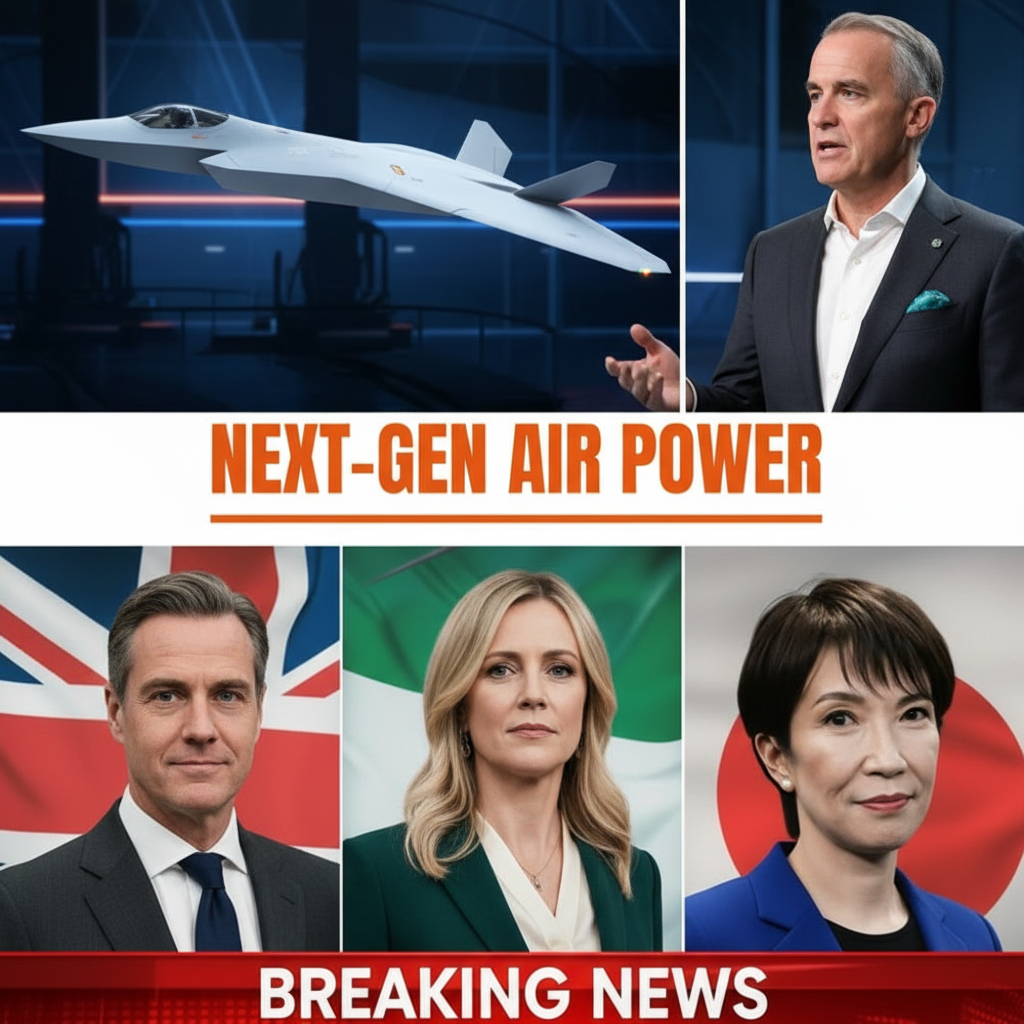
It could also reshape the global fighter market. A wider coalition producing a non-U.S. advanced jet would offer allied nations an alternative to the F-35, which has faced criticism over cost, maintenance delays, and export restrictions.
“The F-35 is extraordinary technology,” said Cowan. “But it comes with strings. Some nations are quietly looking for strings that lead elsewhere.”
The political implications are equally significant. Japan has been gradually loosening post-World War II restrictions on defense exports. Britain is seeking to maintain its status as a top-tier military power post-Brexit. Italy sees the program as industrial renewal.
Canada would bring Arctic credibility and a bridge between European and Indo-Pacific partners. Together, the four nations would represent a formidable bloc — one capable of challenging American dominance in allied airpower.
Washington has not officially commented. But behind the scenes, Pentagon officials are said to be watching closely. The prospect of a major non-U.S. fighter program competing for export sales has rattled some in the defense establishment.
“The Americans won’t panic,” Chen added. “But they will notice. And they will ask hard questions about loyalty, interoperability, and market share.”
For Canada, the decision is deeply political. Joining GCAP would mean walking away from decades of reliance on American platforms — a move that could delight nationalists and infuriates traditionalists.
Prime Minister Justin Trudeau’s government has not confirmed interest. But sources say internal studies are already underway.
As one European diplomat put it: “The door is open. The question is whether Canada has the courage to walk through.”
What follows could redefine Western airpower for a generation. An exclusive club is becoming a strategic coalition. And the silence from Washington, for now, speaks louder than words.