Washington, D.C. — A storm of controversy tore through Capitol Hill this week as a heated congressional session unveiled what lawmakers described as deeply troubling irregularities in a high-profile immigration case tied to elite visa privileges.

The revelations, delivered in a tense and highly charged hearing, have ignited a fierce national debate over fairness, transparency, and the integrity of a system long criticized for favoring the powerful.
At the center of the unfolding drama is a visa program designed to attract individuals of “extraordinary ability,” often referred to as the “Einstein visa.” Traditionally reserved for those who demonstrate exceptional achievement in fields such as science, arts, business, or athletics, the program has been viewed as one of the most prestigious pathways into the United States.
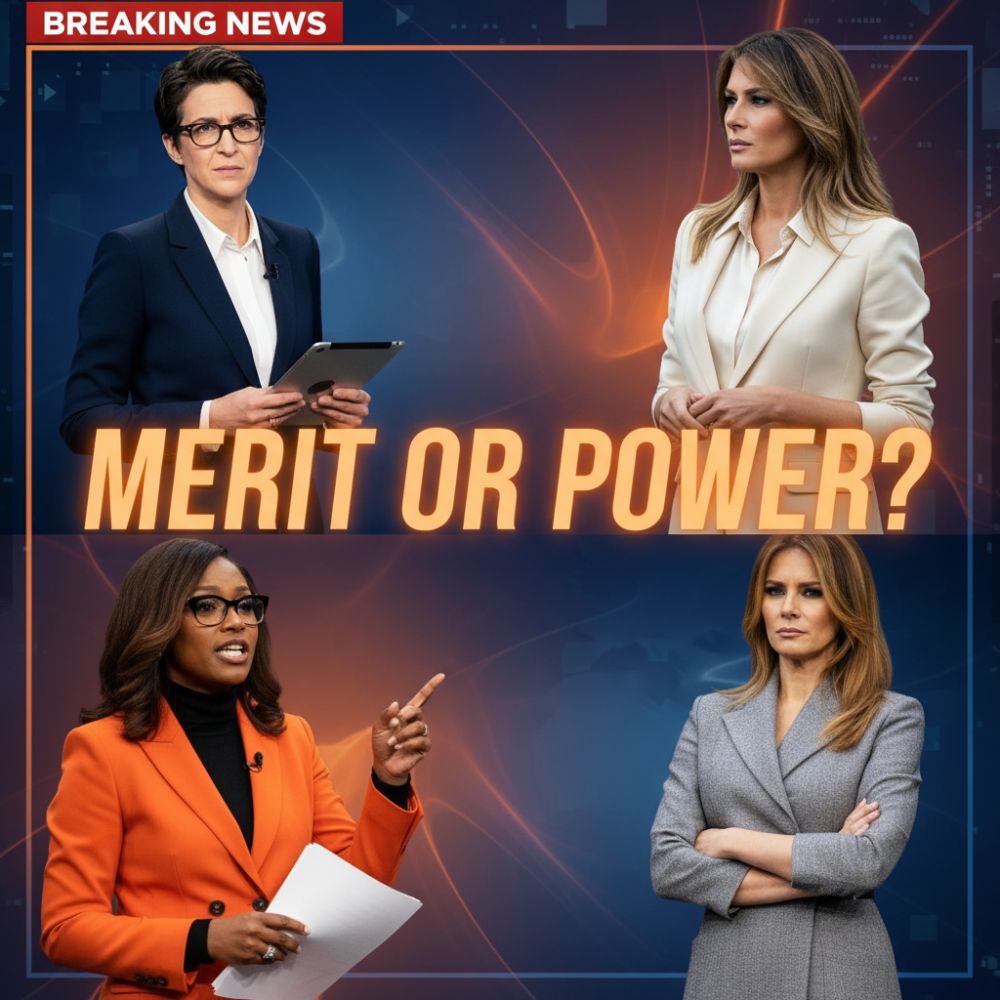
But during a session that quickly escalated into one of the most combative hearings of the year, Representative Jasmine Crockett delivered a series of statements that sent shockwaves through the chamber. With stacks of documents in hand and a tone that oscillated between measured precision and sharp urgency, Crockett laid out what she described as a pattern of inconsistencies in how certain applications were reviewed and approved.
“This is not just about one individual case,” Crockett declared, her voice cutting through the murmurs in the room. “This is about a system that appears to bend under pressure when influence enters the equation.”
A Hearing That Turned Volatile
What began as a routine oversight hearing soon transformed into a spectacle of accusation and defense. Lawmakers from both sides of the aisle leaned forward in their seats as Crockett referenced internal communications, timelines, and evaluation criteria that, according to her, raised serious questions about whether established standards had been applied consistently.
Committee members repeatedly interrupted one another, with some demanding immediate clarification while others pushed back, accusing Crockett of politicizing a complex immigration process.
Representative Mark Reynolds, a senior member of the committee, fired back during the exchange. “We need to be very careful here,” he said. “Throwing around implications without full context risks undermining confidence in institutions that rely on expert judgment.”
But Crockett remained steadfast.
“The American people deserve to know whether extraordinary ability truly means extraordinary,” she responded. “Or whether it has become a label that can be stretched to accommodate convenience.”
The “Einstein Visa” Under Scrutiny
The visa category at the heart of the controversy has long been both celebrated and criticized. Supporters argue that it allows the United States to remain competitive globally by attracting top-tier talent. Critics, however, have raised concerns about subjectivity in the evaluation process.
Applicants are required to meet strict criteria, including evidence of sustained national or international acclaim. This can include major awards, published work, high salary benchmarks, or significant contributions to a field.
Yet, as Crockett pointed out during the hearing, interpretation of these criteria can vary widely.
“Who decides what counts as extraordinary?” she asked. “And how consistent are those decisions across cases?”
Experts watching the hearing noted that while the system includes multiple layers of review, including input from specialists and immigration officers, it is not immune to human judgment—and therefore, potential bias.
Documents That Raised Eyebrows
Central to the controversy were a series of internal documents that Crockett referenced repeatedly. Though not all materials were made public during the session, descriptions of their contents fueled intense speculation.
According to Crockett, the documents suggested deviations from standard review timelines and raised questions about the weighting of certain achievements over others. She emphasized that the issue was not merely procedural but systemic.
“When timelines shrink and criteria shift, we have to ask why,” she said.
Other lawmakers called for a more measured approach, urging the committee to conduct a thorough investigation before drawing conclusions. Still, the tension in the room was unmistakable.
Public Reaction Builds Rapidly
Outside the halls of Congress, reaction was swift and polarized. Social media platforms lit up within minutes of the hearing’s most dramatic moments, with clips circulating widely and hashtags trending across multiple networks.
Advocates for immigration reform seized on the controversy as evidence that the system requires urgent overhaul. “This highlights exactly what many have feared,” said one policy analyst. “That access and influence can distort processes that are supposed to be merit-based.”
Meanwhile, others cautioned against jumping to conclusions. “Immigration cases are complex,” noted a former federal official. “Without full transparency, it’s easy to misinterpret what might actually be standard procedural discretion.”
A Broader Debate Emerges
As the dust began to settle, it became clear that the hearing had sparked a conversation far larger than any single case. Lawmakers signaled that additional sessions may be scheduled to examine the visa program more closely, with some calling for reforms aimed at increasing transparency and accountability.
Proposals discussed in the aftermath included standardized evaluation metrics, independent review panels, and enhanced disclosure requirements for high-profile applications.
“This is about restoring trust,” Crockett said in a follow-up statement. “People need to believe that the rules apply equally to everyone.”
Political Implications
The controversy arrives at a time when immigration remains one of the most contentious issues in American politics. With elections on the horizon, both parties are keenly aware of how such developments can influence public perception.
Some analysts suggest that the hearing could have ripple effects beyond immigration policy, touching on broader themes of privilege, access, and institutional integrity.
“It taps into a deeper concern,” said one political strategist. “Whether systems designed to be fair are actually functioning that way.”
What Comes Next
As investigations potentially move forward, key questions remain unanswered. Will additional documents be released? Will witnesses be called to testify under oath? And perhaps most importantly, will the controversy lead to meaningful policy changes?
For now, the issue remains in the spotlight, with lawmakers, analysts, and the public watching closely.
One thing is certain: the events of this week have ensured that the “Einstein visa” program will no longer operate in the shadows of obscurity. Instead, it now stands at the center of a national conversation—one defined by scrutiny, skepticism, and a demand for clarity.