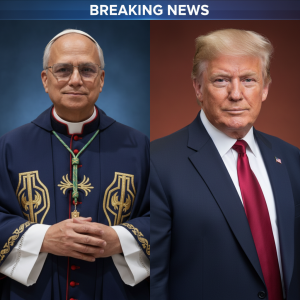
For just 48 hours, it looked like another routine defense announcement.
But what actually happened in Canada’s Arctic may be one of the most aggressive sovereignty moves the country has ever made.
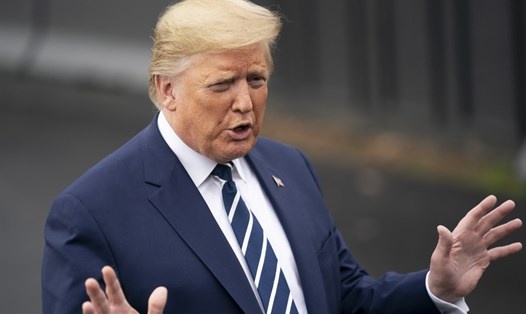
Eight days ago, in the frozen expanse of Yellowknife, something happened that most headlines barely captured—and yet it may redefine Canada’s future for decades.
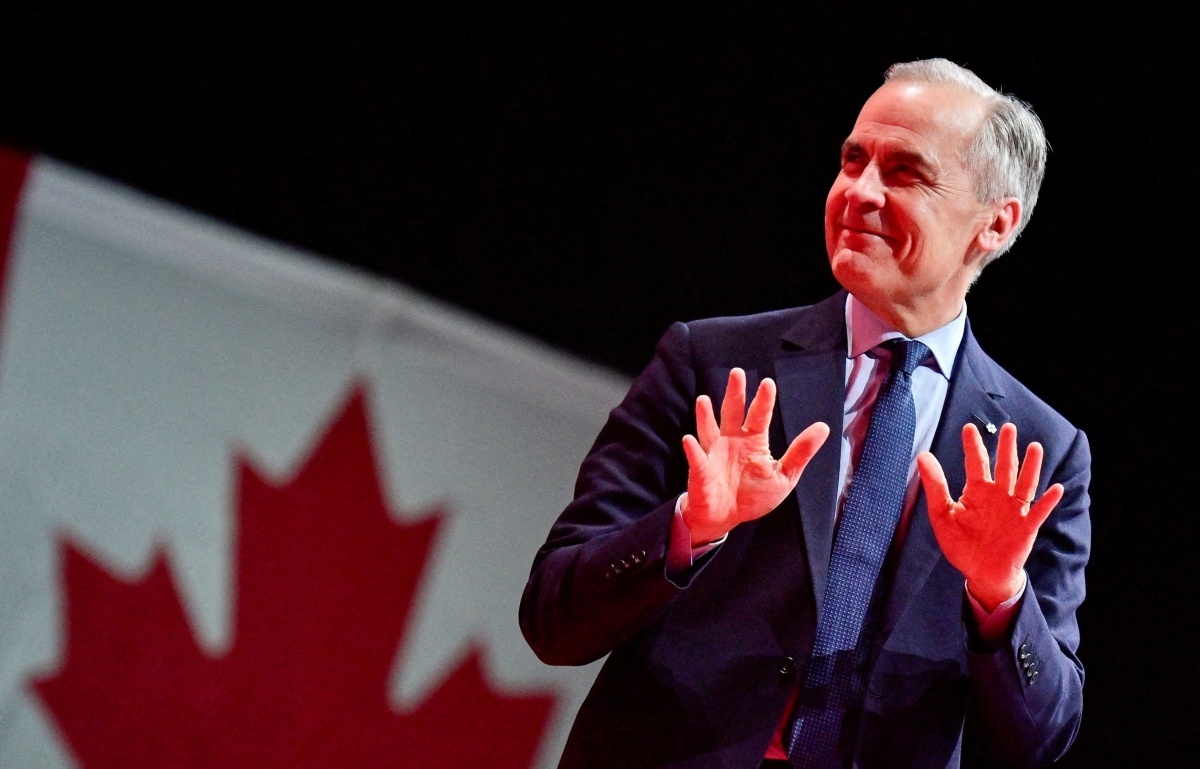
Standing in the Arctic, far from the political comfort of Ottawa, Prime Minister Mark Carney unveiled a $35 billion plan that went far beyond defense spending. This wasn’t just about military upgrades. It was a signal. A line drawn in the ice.
And the message was unmistakable: Canada is done relying on anyone else to secure its own territory.
Carney’s announcement represents the largest investment in Canadian border and Arctic sovereignty in history. The plan includes new military infrastructure, expanded northern bases, advanced surveillance systems, and critical transportation routes across some of the most remote terrain on Earth. Locations like Yellowknife, Inuvik, Iqaluit, and Goose Bay are set to become key operational hubs, forming a network capable of supporting year-round military presence in the Arctic.
But the most striking moment wasn’t the numbers—it was the language.
“In this new era, we cannot rely on other nations for our security and prosperity,” Carney declared.
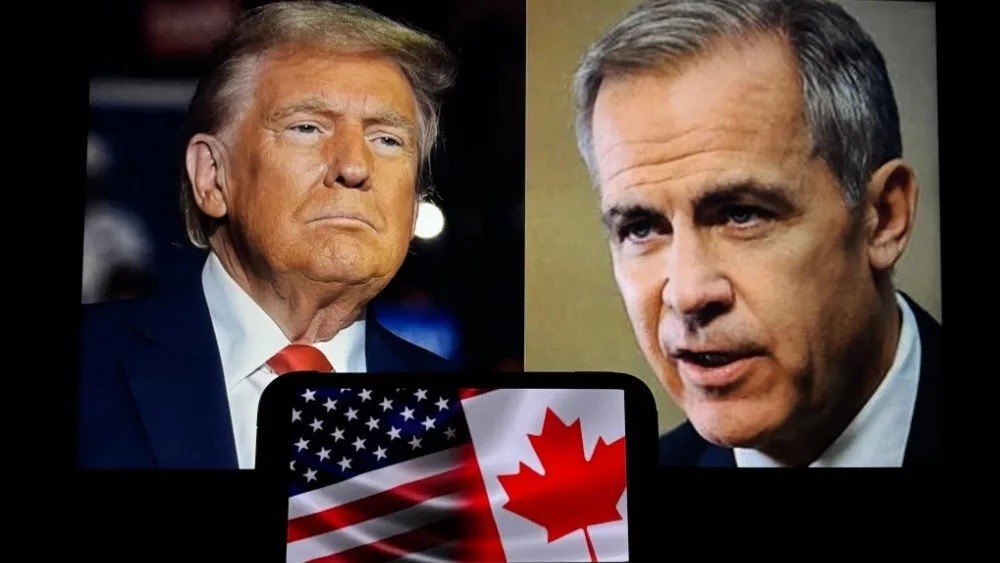
He didn’t name any country directly. But in the context of rising geopolitical tensions, growing U.S. pressure on trade and security, and increasing global competition for Arctic resources, the meaning was clear.
This move didn’t come out of nowhere.
When Carney took office in 2025, he inherited a country facing multiple pressures: threats of tariffs from Washington, renewed attention on Arctic sovereignty, and decades of underinvestment in defense and border infrastructure. Canada’s traditional approach—relying heavily on alliances like NORAD and close cooperation with the United States—was suddenly being questioned.
Carney’s response has been fast—and strategic.
Within months, his government committed to meeting NATO’s 2% of GDP defense spending target, something Canada had struggled to achieve for years. At the same time, he introduced the Strong Borders Act, one of the most comprehensive security reforms in Canadian history.
That legislation expanded the authority of the Canada Border Services Agency, allowing inspections not only of imports but also exports—an important shift in combating cross-border crime. It also strengthened the role of the Coast Guard, enhanced intelligence-sharing capabilities, and introduced new tools to monitor and disrupt illegal drug activity.
Alongside legislative changes, the government rolled out a $1.3 billion border plan, including 1,000 new border officers, 1,000 RCMP personnel, and a network of drones, mobile surveillance towers, and aerial patrols. For the first time, Canada is moving toward near-continuous monitoring of its vast border.
Then came the Arctic.
The $35 billion investment includes runway expansions, new hangars, fuel storage, and operational facilities that will allow Canadian forces to deploy quickly across northern regions. A $6.5 billion over-the-horizon radar system, developed in partnership with Australia, will dramatically improve early warning and surveillance capabilities.
Infrastructure projects, including the Mackenzie Valley Highway and new northern ports and airfields, are also part of the plan—linking defense, economic development, and sovereignty into one integrated strategy.
And that integration is key.
For decades, Canada’s northern investments were fragmented—projects announced, delayed, and often disconnected. Carney’s approach is different. It’s about building a system, not just isolated upgrades.
At the same time, Canada is reshaping its broader strategy.
Carney has launched a defense industrial strategy aimed at producing more military equipment domestically, reducing reliance on foreign suppliers. The goal: ensure that up to 70% of defense procurement supports Canadian industry within the next decade.
Meanwhile, Canada is deepening ties with allies beyond North America. Shortly after the Arctic announcement, Carney traveled to Norway to observe NATO military exercises involving 25,000 troops—reinforcing partnerships even as Canada builds its own independent capabilities.
Still, not everyone is fully on board.
The Strong Borders Act has faced criticism from civil liberties groups, particularly over expanded surveillance powers and changes to asylum rules. Concerns about privacy and rights protections have sparked debate in Parliament and beyond.
These tensions highlight a difficult balance: strengthening national security without compromising fundamental freedoms.
Yet despite the controversy, the broader trajectory is clear.
Canada is shifting—from a country that relied heavily on its closest ally for defense and economic stability, to one that is actively building its own capacity, diversifying partnerships, and asserting control over its strategic future.
The Arctic is central to that shift.
As climate change opens new shipping routes and exposes vast natural resources, the region is becoming one of the most contested geopolitical spaces in the world. Control over the Arctic isn’t just symbolic—it’s economic, strategic, and long-term.
By investing heavily now, Canada is positioning itself to play a decisive role in that future.
The real story of Yellowknife isn’t just about military spending.
It’s about a country redefining its place in the world—quietly, decisively, and on its own terms.
And if this strategy continues, the Canada–U.S. relationship may evolve into something very different: not one built on dependence, but one shaped by balance.