For decades, the Avro Arrow was Canada’s greatest “what if.”
Now, whispers from Ottawa suggest the spirit of that legendary aircraft may be shaping a new defense gamble—one that has Washington watching very closely.
Canada’s Arrow Legacy Returns: Ottawa’s Gripen Debate Sparks Quiet Tremors Across NATO
More than sixty years after the dramatic cancellation of the Avro Arrow, the legendary Canadian interceptor once again looms over Ottawa’s defense debate. What was once a symbol of lost ambition is suddenly back in the spotlight—not as a resurrected aircraft, but as a powerful reminder of a question Canada never fully answered: how independent should its defense future be?

Recent discussions inside Canada’s government suggest that policymakers are seriously examining alternatives in the country’s long-running fighter jet deliberations. At the center of the conversation is the Saab Gripen, a Swedish-designed fighter that some analysts believe could reshape Canada’s aerospace and defense strategy.
While officials have not formally announced a shift in procurement plans, the mere fact that Ottawa is reconsidering options has sent ripples through defense circles in Washington and NATO capitals. For decades, many analysts assumed Canada would ultimately align with U.S.-built platforms as part of North America’s tightly integrated defense framework.
Now, that assumption is being questioned.
The renewed debate is closely tied to the economic and strategic priorities championed by Prime Minister Mark Carney, whose administration has emphasized resilience, domestic capability, and long-term control over critical technologies. In this vision, fighter jets are not simply military assets—they are also instruments of industrial policy.
The Saab Gripen has emerged as a focal point because of the unique model behind its export partnerships. Unlike some larger fighter programs that operate within tightly controlled supply chains, the Gripen is often offered with extensive technology transfer, local assembly options, and significant operational independence.
For Canada, those features carry enormous appeal.
Supporters argue that a Gripen partnership could allow Canadian engineers, technicians, and manufacturers to participate directly in the aircraft’s production and evolution. Rather than simply purchasing jets built abroad, Canada could anchor a domestic aerospace ecosystem, keeping high-value expertise and skilled jobs inside the country.
To advocates, the parallel with the Avro Arrow is unmistakable.
When the Arrow program was abruptly canceled in 1959, its cutting-edge prototypes were destroyed and many of the engineers behind it eventually left Canada to work in the United States and Europe. For many Canadians, the episode became a defining moment—proof of how easily technological leadership can disappear.
Today’s debate taps into that emotional memory, but policymakers insist the issue is not nostalgia.
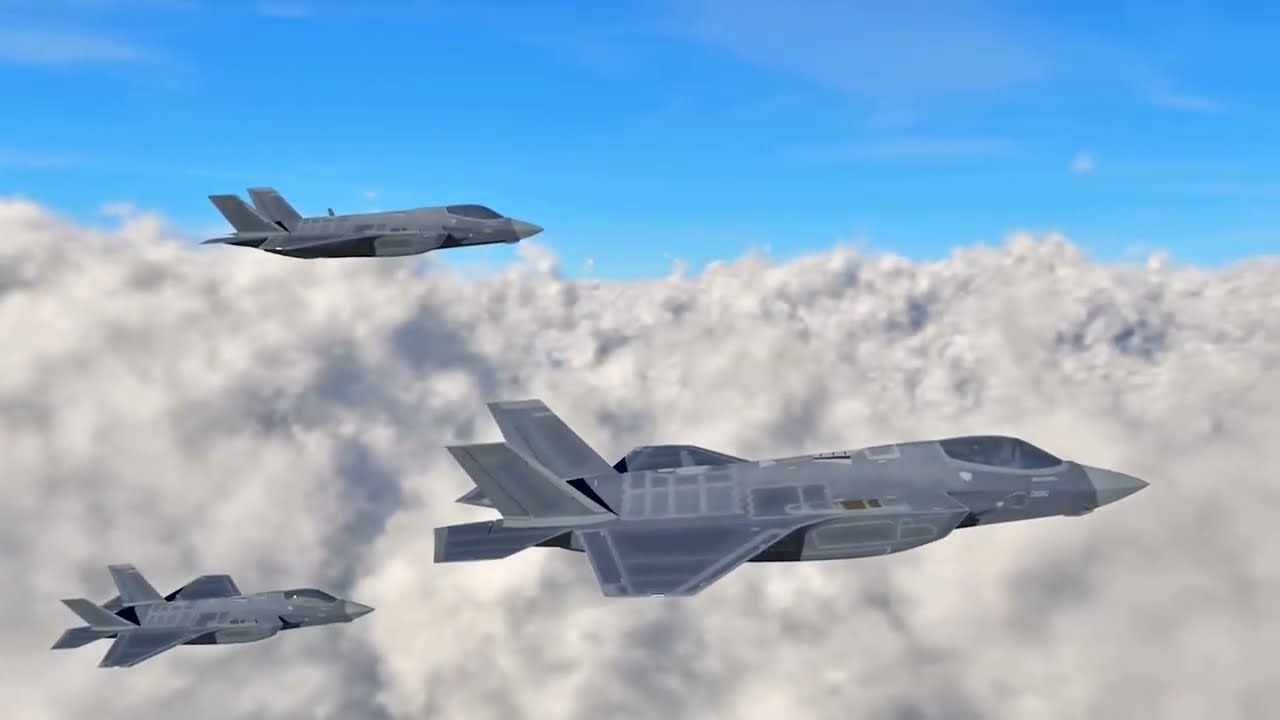
Critics warn that the Arrow story itself contains a cautionary lesson. The program collapsed partly because of rising costs and shifting strategic realities. Modern air combat, they argue, depends heavily on shared data networks, common logistics systems, and deep interoperability among allies—areas where diverging from U.S.-centered platforms could introduce complications.
Those concerns resonate strongly within NATO planning circles.
Privately, defense analysts say the debate unfolding in Ottawa has raised eyebrows in Washington, not because Canada is challenging the alliance, but because it signals a potential shift in how middle powers approach defense procurement.
“If Canada pushes for more control over its defense industry, it could change expectations across alliances,” one former U.S. defense official reportedly noted. “The question isn’t just about jets—it’s about influence.”
Canada’s geographic realities also play a role in the discussion. With growing attention on Arctic security, the country faces unique operational demands: vast distances, extreme weather, and limited infrastructure.
Proponents argue that the Gripen’s design philosophy—emphasizing flexible operations, rapid turnaround, and dispersed basing—could fit Canada’s northern environment particularly well.
Still, Ottawa has taken pains to emphasize that no final decision has been made. Government officials continue to stress Canada’s commitment to NATO and continental defense cooperation with the United States.
Rather than framing the debate as a break with tradition, policymakers describe it as an effort to expand options and strengthen negotiating leverage.
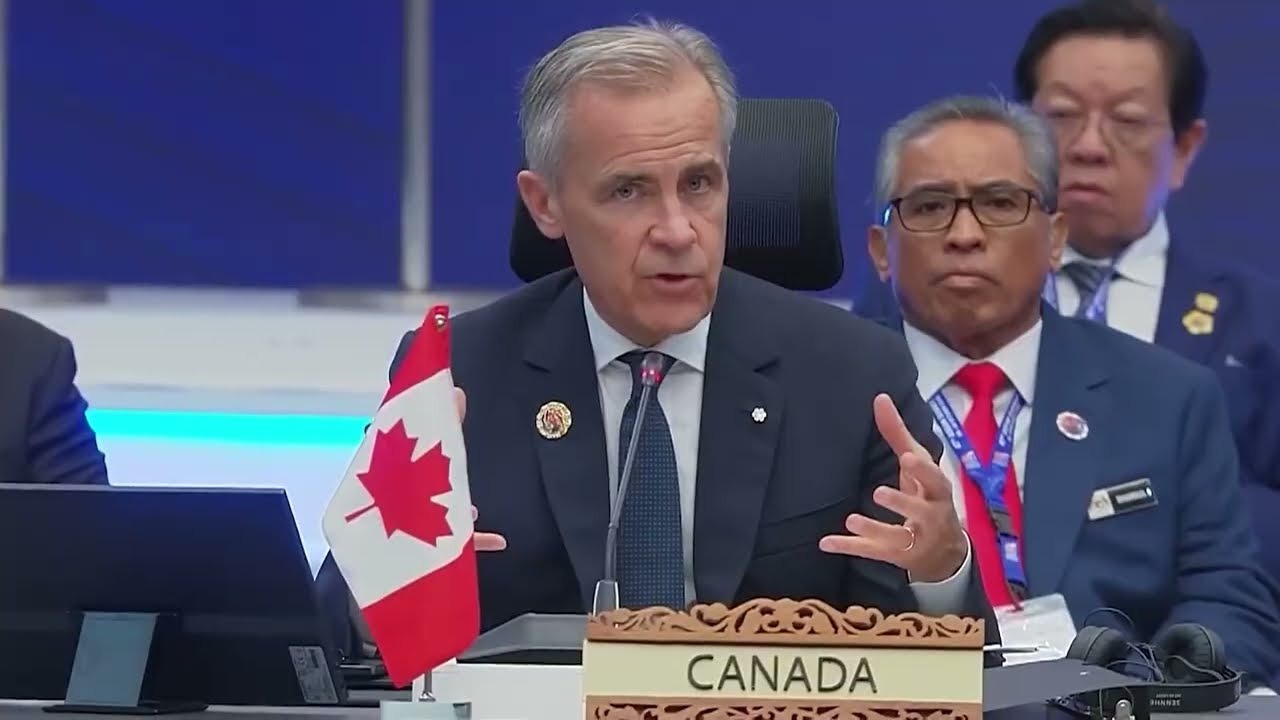
Behind the scenes, industry groups and labor organizations are watching closely. A procurement strategy that includes domestic production and long-term maintenance could generate thousands of highly skilled jobs and strengthen Canada’s aerospace sector. But it would also require careful planning, investment, and political discipline.
For observers abroad, the most significant development may not be the aircraft itself.
The real story is that Canada is openly debating a question that once seemed settled: should national security procurement also serve as a catalyst for technological sovereignty and economic growth?
In that sense, the Avro Arrow’s legacy is not about rebuilding a lost aircraft.
It is about reviving a mindset.
Whether Canada ultimately deepens cooperation with Sweden’s Gripen program or maintains its current trajectory, the conversation unfolding in Ottawa has already altered the strategic landscape. Defense choices once treated as technical necessities are now being weighed as national decisions with geopolitical consequences.
And sometimes, in the quiet shifts of policy debate, the balance of power begins to move long before the world notices.