The numbers hit like a slap: C$155 billion in U.S. goods suddenly in Canada’s crosshairs—an answer to Washington’s tariff squeeze that Ottawa framed as survival, not showmanship. And once the retaliation clock started ticking, the “polite neighbor” stereotype didn’t just crack… it shattered.
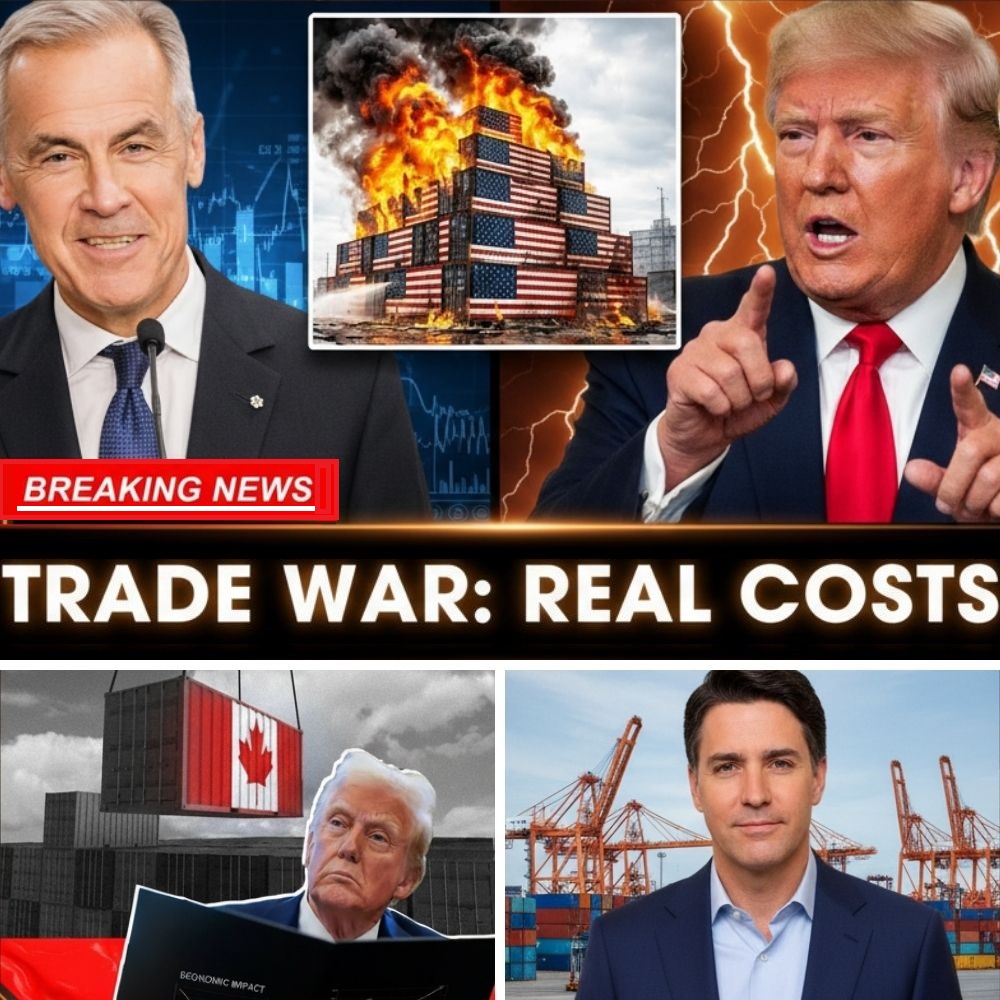
At the heart of the new chaos is a simple, combustible reality: tariffs don’t land on talking heads—they land on paychecks, parts, and prices. The Trump administration’s latest trade escalation against Canada revived the nightmare every factory town knows too well: disrupted supply chains, threatened auto jobs, and a political mood that flips from anxious to furious overnight. While the U.S. has repeatedly floated and rolled out tariff moves affecting Canada and Mexico, the back-and-forth has only added volatility for businesses trying to plan even a single quarter ahead.
Canada’s response, though, wasn’t a single dramatic press conference—it was a two-stage pressure plan designed to tighten like a vise. First: a 25% tariff on C$30 billion worth of U.S. imports. Second: another 25% on C$125 billion more—scheduled to follow weeks later, widening the blast radius and forcing American exporters and lobbyists to start making panicked calls. That’s how you turn a trade fight into a countdown.
And it wasn’t just Ottawa talking tough. Provinces weighed non-tariff options, and consumers did what governments can’t always control: they began making the trade war personal. When politics starts showing up in grocery aisles and bar shelves, it stops being “policy”—it becomes culture. It becomes identity. Trudeau’s message was blunt: retaliation stays until the U.S. reverses course, and Canada’s toolbox won’t be limited to tariffs alone.
Then came the bigger signal to Washington: Canada’s leadership tone hardened. After Trump’s move to impose sweeping 25% tariffs on imported cars and car parts, Prime Minister Mark Carney described it as an era-ending rupture—language designed to tell allies and adversaries alike that the old assumptions no longer apply. In other words: don’t expect Canada to absorb punches quietly anymore.
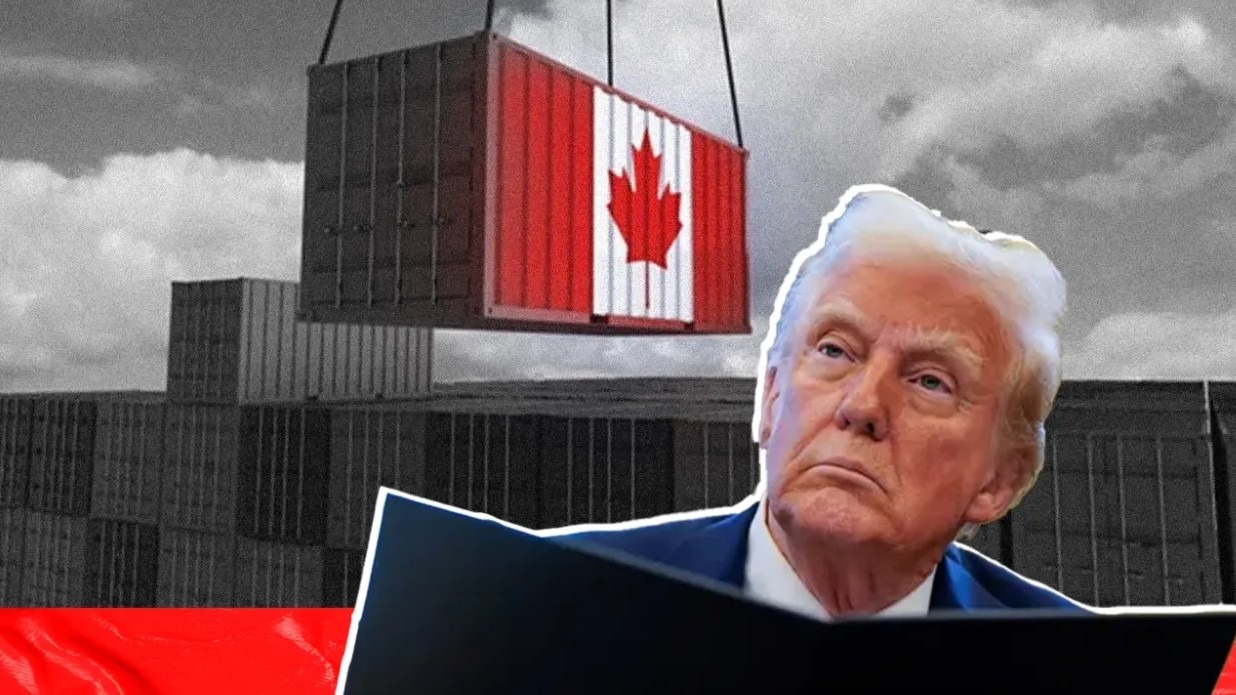
Here’s the part that rattles markets—and makes voters pay attention: once retaliation begins, every side starts hunting for leverage that hurts the other guy more than it hurts at home. That’s why Canada’s approach emphasized “targeted” measures—actions meant to sting U.S. interests while limiting domestic blowback. It’s also why international allies watched closely; car tariffs aren’t a local dispute, they’re a global supply-chain stress test.
Meanwhile, the American political calendar keeps grinding forward, and trade wars have a nasty habit of colliding with election narratives. Canada’s firm stance has turned into a storyline of its own: a country refusing to be bullied, refusing to blink, and refusing to pretend uncertainty is “normal.” The strategy is clear—apply measured pressure, keep public confidence steady, and make Washington feel the economic consequences where it least wants to.
And the most dangerous part? Once both sides are locked in, the next escalation rarely comes with a warning—it comes with a headline.