A devastating blow has been struck at the heart of Canada’s automotive and green industrial ambitions as General Motors announces the permanent shutdown of its CAMI Assembly plant in Ingersoll, Ontario, instantly placing 1,200 jobs in peril. The closure, targeting the facility that built the BrightDrop electric delivery van, represents a catastrophic failure of a billion-dollar bet on an electric vehicle future and has triggered political fury and profound uncertainty across the nation’s industrial landscape.

This is not a temporary pause. The word from GM is final: production is ending. The decision exposes a brutal disconnect between political promises, corporate strategy, and market reality, leaving workers and their families to bear the crushing weight of that miscalculation. The plant, retooled just over two years ago with fanfare and substantial government investment, will now sit idle.
Unifor, the union representing the plant’s workers, states it was not informed beforehand. Employees learned their fate abruptly, transforming a Sunday night into a scene of shock and devastation. “It’s terrible. It’s devastating,” one worker said. “It’s one thing to get a layoff for a couple weeks… it’s another thing when they tell you you’re not coming back to work.” The official reason cited by GM is “decreased demand” and uncertainty in the electric vehicle market, specifically for commercial delivery vans. The expiration of crucial U.S. federal tax credits for electric commercial vehicles delivered what one analyst called a “financial gut punch,” destroying the business case overnight. Fleet buyers simply did not materialize as forecasted.

Critics, however, see a deeper, more damning narrative. They describe a “staged retreat” where optimism wildly outpaced caution. While executives and politicians celebrated the facility as Canada’s first full-scale EV plant, the vans piled up unsold in storage lots. The promised demand never arrived, but the reckoning has.
The human cost is immense and extends far beyond the plant gates. In a community like Ingersoll, auto jobs are the economic backbone. They are the foundation for mortgages, tuition plans, and stable futures. The anxiety now rippling through the sector is palpable, with every auto worker in Ontario left wondering if their plant is next.
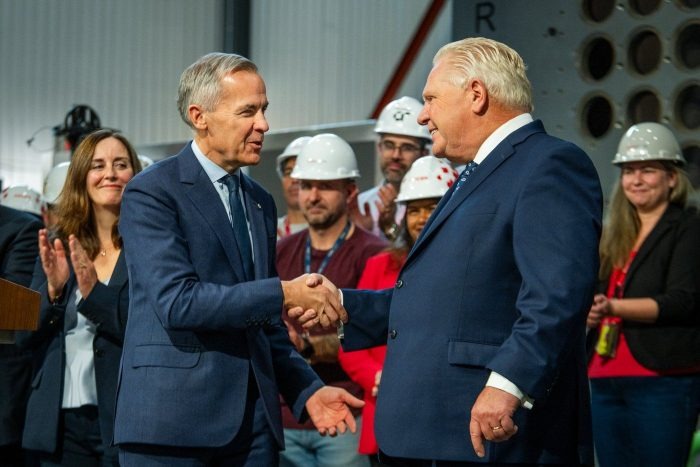
Politically, the fallout is severe and spreading. The federal and Ontario governments collectively invested approximately $1 billion in the facility, a sum championed as securing long-term employment and anchoring Canada’s EV leadership. That narrative lies in tatters. Industry Minister François-Philippe Champagne called it a “very difficult day,” promising to hold GM accountable—a phrase workers met with deep skepticism. Behind the scenes, the shockwaves are intense. Sources report former Bank of Canada Governor Mark Carney is “exploding” with anger, seeing the shutdown as a direct torpedo to the country’s carefully crafted green transition strategy. The closure reveals the fragile underpinnings of an industrial policy built on best-case scenarios.
This event follows swiftly on the heels of Stellantis moving Jeep Compass production from Brampton to Illinois, compounding a sense of crisis for Ontario’s auto sector. Emergency meetings are underway, and a federal response group has been formed, but concrete plans for the plant’s future or its workforce remain conspicuously absent.
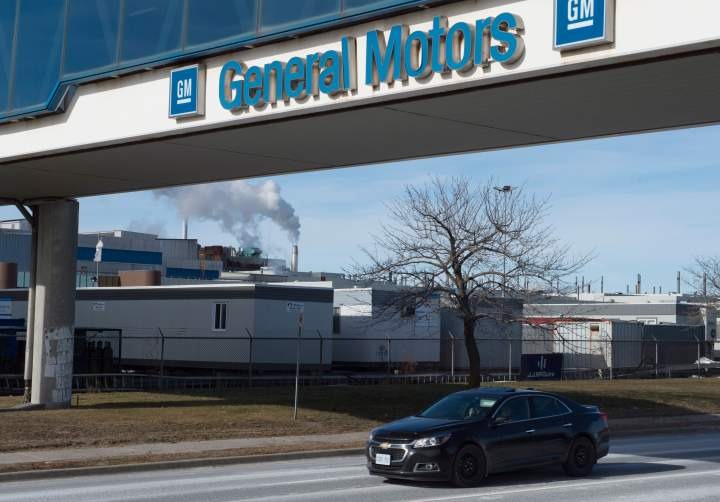
GM maintains it is “committed to finding meaningful opportunities” for the Ingersoll site but has provided no specifics on what product, if any, might replace the BrightDrop van. This vagueness only deepens the anguish for workers, for whom uncertainty is a corrosive force. “You don’t know whether to panic or stay calm,” one observer noted.
The corporate explanation—citing broader market forces—rings hollow on the ground. To the assembled workforce, it translates to a familiar pattern: profits are privatized, while risks and losses are socialized onto the communities least equipped to absorb them. The billion dollars in public funding now underscores an acute accountability crisis. This shutdown is more than a single plant closure; it is a potential first domino. It forces an uncomfortable national reckoning on the viability and timeline of the EV transition. If a project with this level of financial and political support could collapse so decisively, what does it signal for the entire sector?
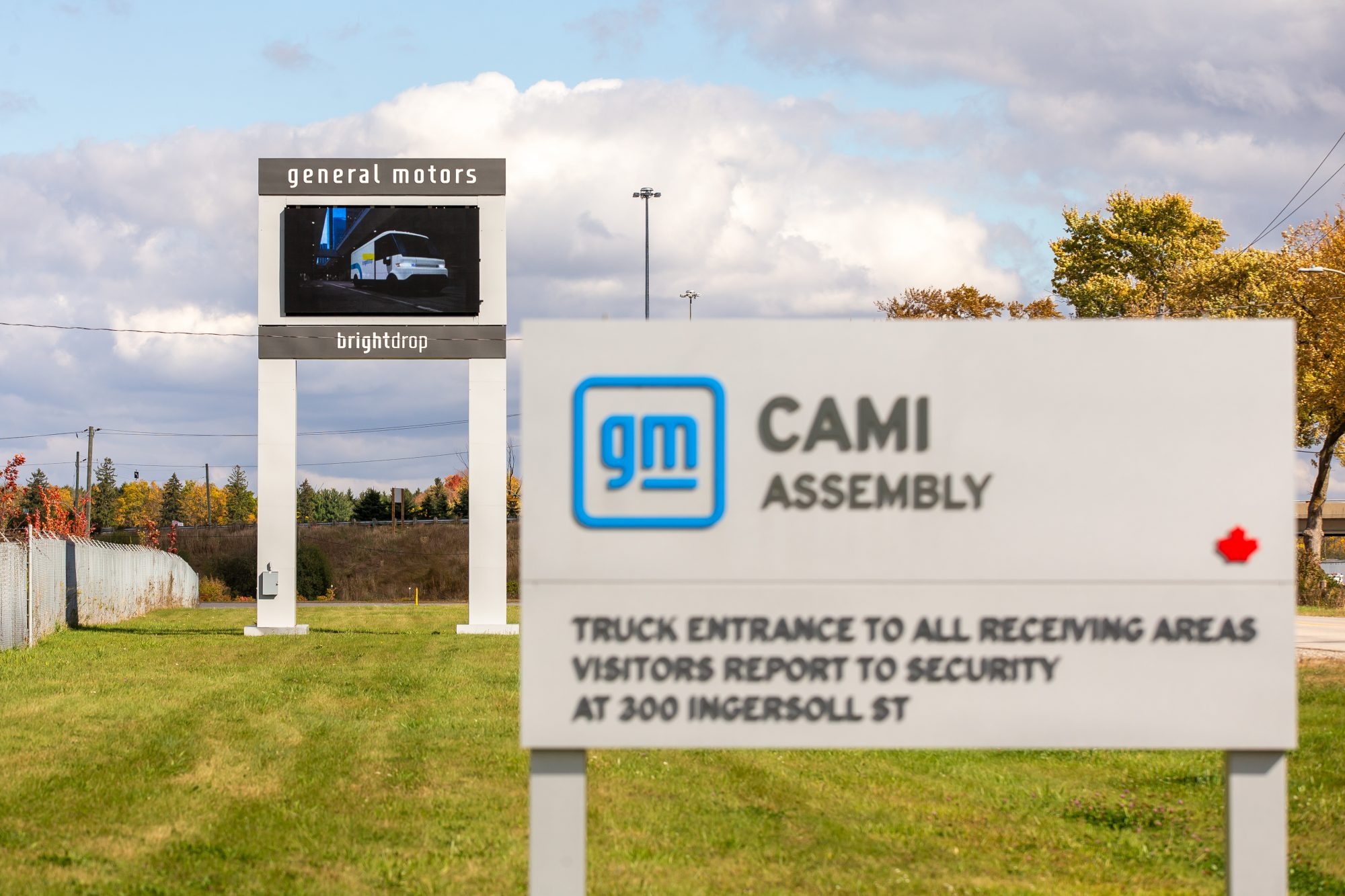
The silence from the union hall is deafening. Unifor Local 88 has not issued a fiery statement, a telltale sign of serious, strategic calculation. The history of plant closures in Canada suggests what comes next: measured statements, then rallies, then a fierce battle for relevance that often ends with vanished leverage.
Canada’s auto sector stands at a familiar, painful crossroads. Grand visions have collided with harsh economic realities. The CAMI plant in Ingersoll is not an anomaly; it is a stark warning. As the country grapples with the fallout, one heavy, unresolved question dominates: when the high-stakes bet on an electric future falters, who ultimately pays the price? The answer, written in the empty parking lots of Ingersoll, is tragically clear.