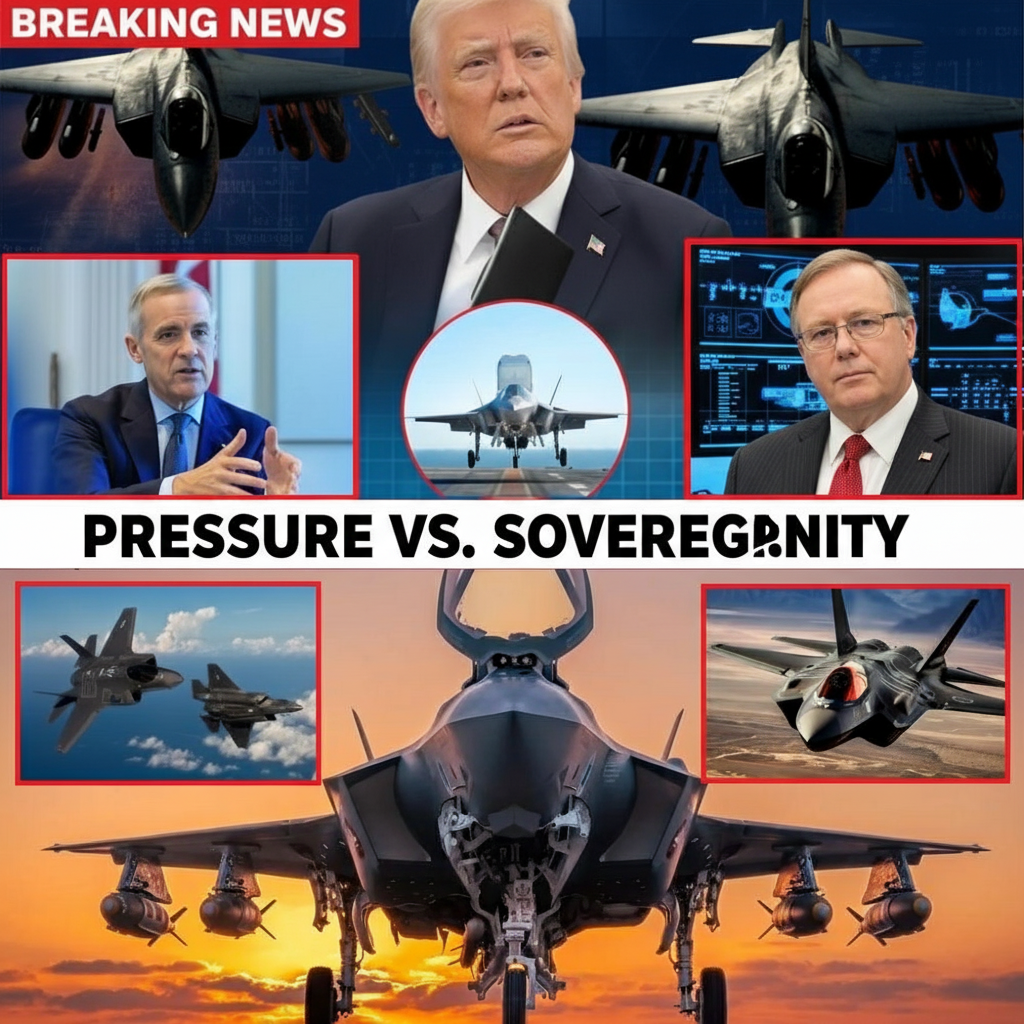
What began as a routine pause in a multibillion-dollar fighter jet purchase has erupted into one of the most revealing political confrontations between the United States and Canada in decades. As Washington publicly pressures Ottawa over its hesitation to proceed with the F-35 program, the debate has shifted far beyond aircraft performance. At stake now are questions of national sovereignty, defense autonomy, and who truly controls Canada’s security decisions. With Sweden offering an alternative and Canadian officials growing more vocal, the F-35 controversy is rapidly becoming a defining moment for Canada’s political and strategic future.
For generations, Canada’s defense relationship with the United States has rested on quiet coordination, shared assumptions, and an unspoken hierarchy. That balance is now under strain.
Canada’s decision to pause its purchase of F-35 fighter jets has triggered a surprisingly forceful response from Washington—one that many Canadians see as less partnership and more pressure campaign. What was once framed as a technical procurement issue has morphed into a political test of loyalty, with U.S. officials signaling that Canada’s broader economic and trade relationship could be affected by its military choices.
The shift was laid bare at a recent international security conference, where a U.S. ambassador openly suggested that Canada’s trade future could hinge on its commitment to the F-35 program. The remark landed like a thunderclap in Ottawa. For many observers, it marked a turning point: the moment when defense cooperation crossed into overt leverage.
The implications have unsettled Canadians across the political spectrum. The F-35 is not just another aircraft; it is a tightly controlled U.S.-led weapons ecosystem. Software updates, mission data, maintenance chains, and operational permissions remain largely under American oversight. Critics argue that buying the jet effectively ties Canada’s air force to Washington’s strategic decisions for decades.
That reality has pushed the conversation into uncomfortable territory. Increasingly, the question is not whether the F-35 is advanced—it is—but whether Canada can truly claim operational independence while relying on a system it does not fully control.
Adding complexity to the debate is the entrance of Sweden, which has offered Canada the Gripen fighter jet as an alternative. Unlike the F-35 deal, the Swedish proposal emphasizes technology transfer, local assembly, and domestic industrial participation. It presents Canada not as a customer, but as a partner.
For a country wrestling with the limits of its sovereignty, the contrast is stark. The Gripen may lack some of the F-35’s stealth capabilities, but it promises control, flexibility, and economic benefits at home. In an era where supply chains, sanctions, and geopolitical alignment can change overnight, those factors carry growing weight.
Defense analysts have also raised red flags about the F-35’s long-term costs and readiness rates. Operational expenses have consistently exceeded projections, and maintenance challenges have affected availability across multiple allied air forces. For a country with vast territory and limited defense budgets, reliability matters as much as raw capability.
Perhaps most striking is the change in tone among Canada’s own defense establishment. Retired military officials who once championed the F-35 are now voicing doubts about tying Canada’s air power to a foreign-controlled system. Their reassessment reflects a broader shift in thinking: in modern warfare, power is not defined solely by advanced hardware, but by who controls it.
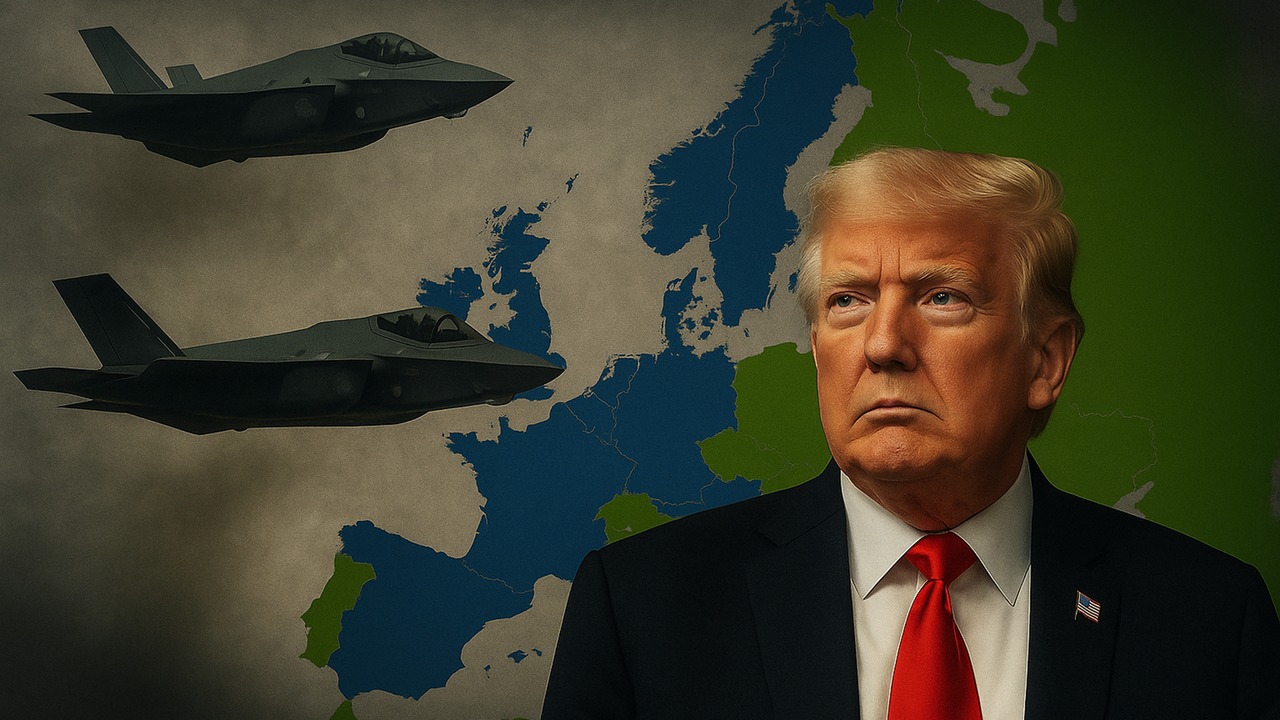
Meanwhile, Washington’s rhetoric has grown more public and more pointed. Gone is the discreet diplomacy that traditionally defined U.S.-Canada relations. In its place are open warnings, pressure tactics, and an unmistakable message: alignment is expected, not optional.
That approach has sparked unease north of the border. Canadians are accustomed to close cooperation with the United States, but less comfortable with being told that sovereign decisions come with conditions. The optics of a powerful ally leveraging trade and security ties to influence domestic policy have struck a nerve.
The stakes extend far beyond fighter jets. Canada’s decision will shape its defense posture, industrial base, and geopolitical identity for decades. It will signal whether Ottawa is willing to prioritize autonomy over access—or whether it accepts that security in a U.S.-led order comes with strings attached.
Time is running short. As pressure mounts and options narrow, Canada finds itself at a crossroads. The choice ahead is not simply about aircraft performance or procurement timelines. It is about who holds the reins when it comes to national security.
In a world defined by rising great-power competition, Canada is being asked—perhaps more bluntly than ever before—to define what sovereignty really means. The answer will echo long after the final contract is signed.