In a stunning turn of events, U.S. Trade Representative Jameson Greer inadvertently 𝓮𝔁𝓹𝓸𝓼𝓮𝓭 America’s waning control in the ongoing trade war with Canada. His recent congressional testimony revealed a list of demands that not only highlighted Canada’s successful policies but also signaled a shift in the power dynamic between the two nations.
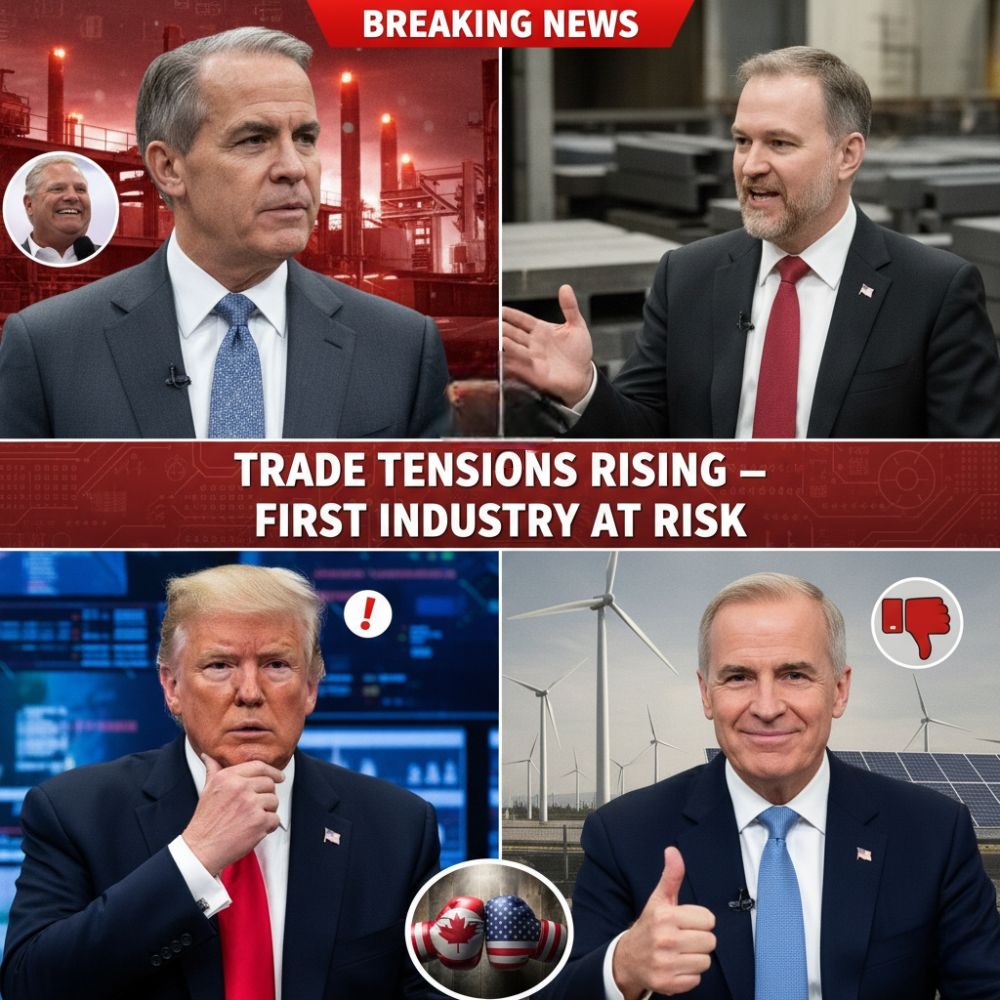
For months, Washington operated under the assumption that Canada would eventually capitulate to U.S. pressure. Analysts and officials believed that tariffs and aggressive rhetoric would force Ottawa back in line. However, Greer’s recent demands revealed a different narrative, one that underscores a growing Canadian resilience and strategic success.
Instead of issuing ultimatums, Greer presented a detailed inventory of Canadian policies that the U.S. wants changed. This list included dairy supply management, provincial alcohol restrictions, and customs registration requirements. Each item reflects Canadian systems that are working effectively, rather than failures that need correction.
The very act of naming these policies signaled a shift in leverage. It indicated that American industries are feeling the pressure and are now demanding federal intervention to counteract Canadian successes. Greer’s testimony inadvertently documented the victories Canada has achieved, which are costing U.S. producers market share and profits.
One of the most critical points Greer raised was the issue of dairy access. He claimed that Canadian dairy exports undercut American producers, yet Canada already allows tariff-free imports up to a quota, which U.S. suppliers have failed to fill. This highlights that the real problem lies not in access but in the competitive efficiency of Canadian dairy management.
Moreover, Greer’s demands regarding Canada’s online streaming legislation reveal another layer of concern for Washington. By requiring American platforms to invest in Canadian content, Canada is asserting its cultural sovereignty. This pushes back against the dominance of U.S. tech giants and demonstrates that cultural policies can be enforced in the digital age.
Greer’s list also included criticisms of provincial procurement rules and customs requirements, which he framed as discriminatory. However, these regulations are simply a reflection of Canadian governance, prioritizing domestic suppliers and ensuring compliance. Greer’s frustration indicates a deeper issue: the old assumption that Canada would always prioritize U.S. access is crumbling.
In a surprising admission, Greer acknowledged that the Canada-United States-Mexico Agreement (CUSMA) has worked, with U.S. exports to Canada and Mexico rising significantly since 2020. Yet, he paradoxically claimed that renewing the agreement is not in the national interest. This contradiction reveals a discomfort within Washington regarding the balance of power that CUSMA affords Canada.
The timeline of events leading to this moment illustrates a series of miscalculations by the U.S. Since the start of Trump’s second term, the expectation was that Canada would buckle under pressure. Instead, Ottawa has remained calm, employing strategic responses that have proven effective without escalating tensions.
Greer’s testimony has inadvertently provided Canada with a roadmap of U.S. vulnerabilities. By listing specific demands, he has illuminated the pressure points where Canadian policy is succeeding. This newfound clarity enables Canada to negotiate from a position of strength rather than desperation.
As the next six months unfold, the question remains whether North American trade will continue under outdated assumptions of dominance or embrace a new reality of balance. This moment marks a critical juncture in U.S.-Canada relations, as Canada asserts its right to protect its interests without seeking permission from Washington.
The implications of this shift are profound. Canada is no longer negotiating from a place of fear but from interdependence. As supply chains become increasingly integrated, both nations will feel the impact of any disruption, making it imperative for the U.S. to reconsider its approach to trade negotiations.
In conclusion, Jameson Greer’s unintended revelations signal a new era in U.S.-Canada trade relations. Canada is no longer the expected loser in this trade war; it is actively reshaping the narrative. As both countries navigate this complex landscape, the balance of power is shifting, and Canada is poised to protect its sovereignty with renewed vigor.