The ambitious $2.3 billion Sphere in Las Vegas, once hailed as the future of entertainment, now faces a precarious collapse as tourism numbers dwindle and operational costs spiral out of control. What began as a dazzling spectacle, captivating audiences with its innovative design and immersive experiences, has devolved into a financial nightmare that threatens the very existence of Sphere Entertainment.

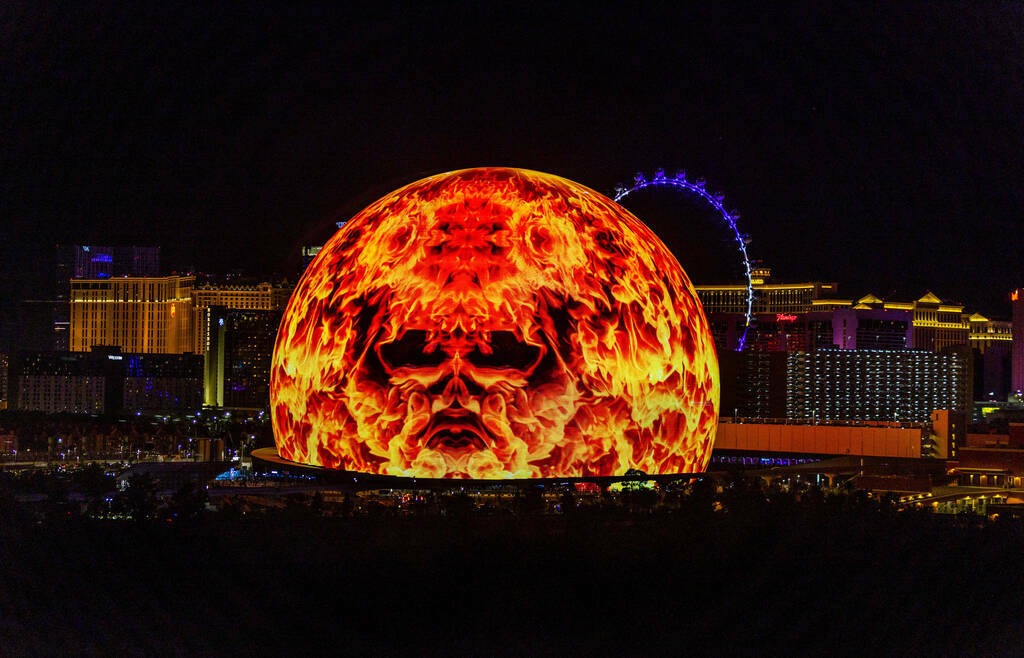
When the Sphere first illuminated the Las Vegas skyline, it was a beacon of creativity, boasting over 50 million LED lights and a cutting-edge audio-visual experience that drew crowds from around the world. The venue was envisioned as a transformative space for entertainment, with shows like YouTube’s residency and Darren Aronofsky’s “Postcard from Earth” generating significant initial interest. However, the excitement has waned, and the reality of the financial burden is now glaringly apparent.
Sphere Entertainment’s latest quarterly report revealed a staggering operating loss of nearly $100 million within just three months of opening, escalating to over half a billion dollars by the end of its first fiscal year. This is not merely a reflection of construction expenses; these are recurring operational losses that signal a deeper, systemic issue. The costs of maintaining such an elaborate venue—ranging from engineering and maintenance to staffing and security—are astronomical, with the venue requiring constant financial input to remain operational.
As ticket sales falter and attendance dwindles, the company has resorted to lowering ticket prices in a desperate attempt to attract a broader audience. What was once a premium experience has become less exclusive, hinting at a troubling decline in demand. Reports of empty rows during previously sold-out shows indicate that the initial allure of the Sphere is fading.
The abrupt resignation of Sphere Entertainment’s chief financial officer has further fueled speculation about the company’s stability. Such departures in the corporate world often signal internal strife or a lack of confidence in the company’s direction, and this case is no different. Investors are now questioning whether the Sphere can ever achieve profitability, given its unsustainable cost structure.
James Dolan, the man behind the Sphere, has long been a controversial figure in the entertainment industry, known for his ambitious projects and polarizing leadership style. The Sphere represents his most significant gamble yet—a legacy project that aimed to redefine live entertainment. However, as financial losses mount and investor confidence wanes, Dolan’s vision is increasingly viewed as a liability rather than a landmark achievement.
The Sphere’s unique model, which confines its content to a single venue, limits its revenue potential. Unlike traditional entertainment businesses that can scale their offerings across various platforms and locations, the Sphere’s productions are tied to its physical space, making it vulnerable to market fluctuations. Once the novelty wears off, repeat visits dwindle, and the venue struggles to draw in new audiences.

As the financial picture grows bleaker, the Sphere stands at a critical crossroads. It remains an architectural marvel and a testament to human creativity, but the harsh reality is that innovation alone cannot guarantee success. The dream that once dazzled millions is now overshadowed by the grim numbers that tell a different story—one of ambition outpacing reality.
In summary, the $2.3 billion Sphere, which once symbolized the pinnacle of entertainment innovation, is now teetering on the edge of collapse. With operational losses mounting and investor confidence dwindling, the future of this ambitious project hangs in the balance. The question remains: can the Sphere adapt and evolve to survive in an ever-changing entertainment landscape, or is this the end of its once-glorious dream?