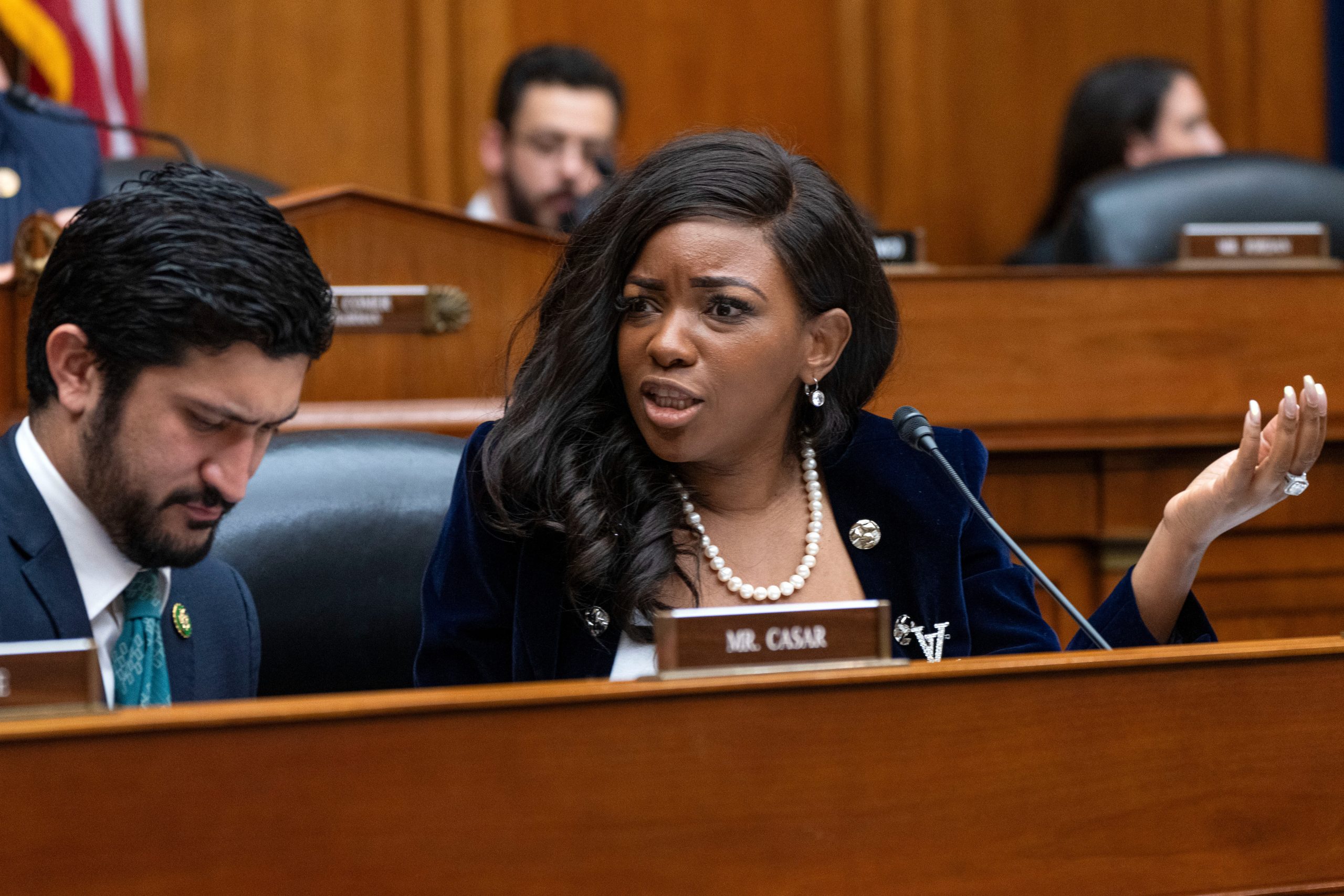
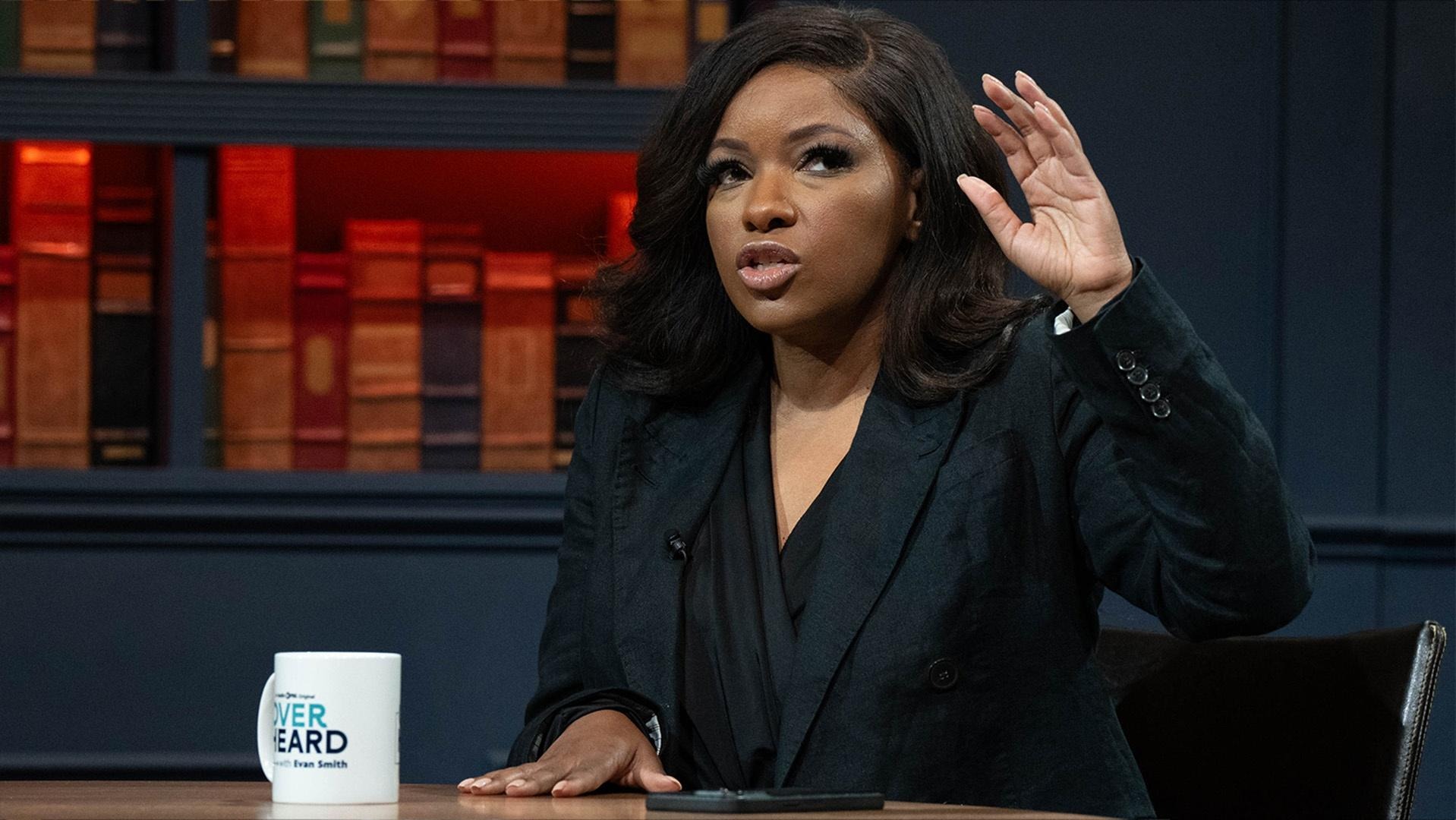
U.S. Representative Jasmine Crockett ignited a nationwide controversy after making sweeping claims on a national broadcast linking white supremacist ideology to most violent crime in the United States, remarks that immediately reverberated across political, media, and law-enforcement circles.
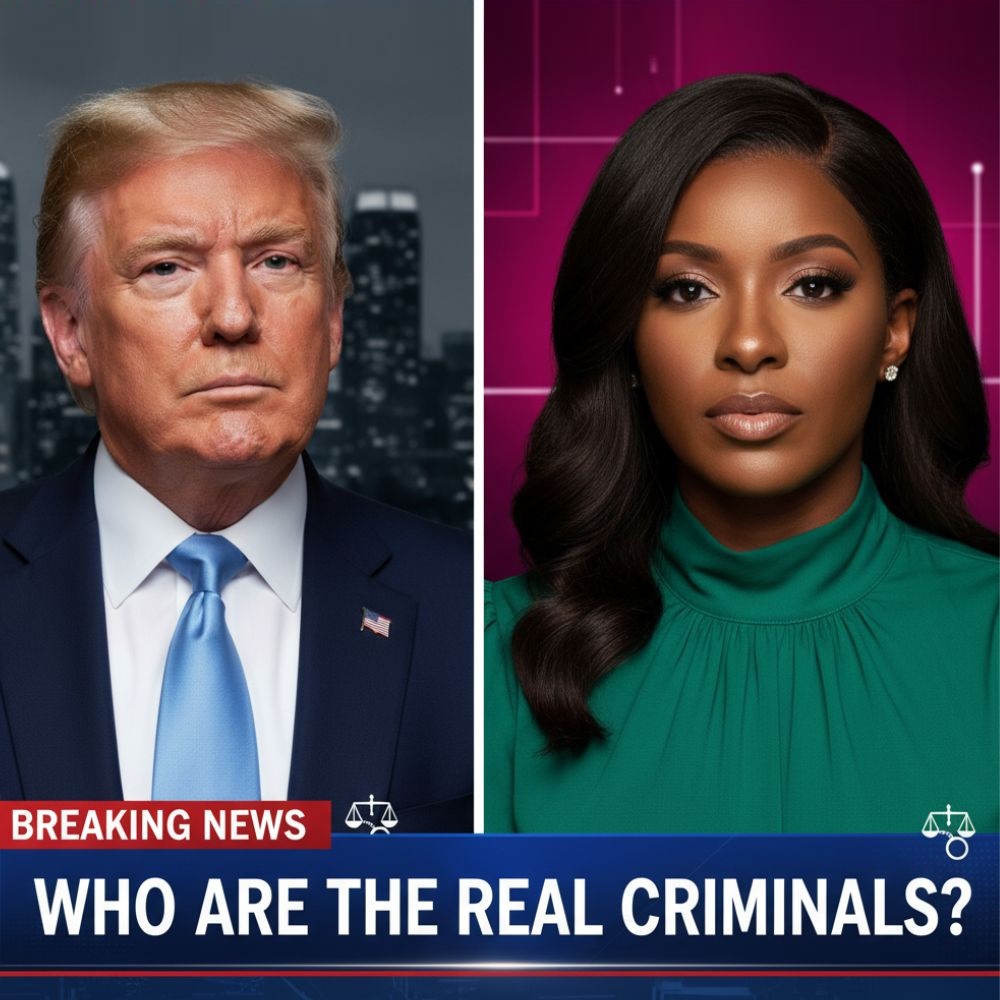
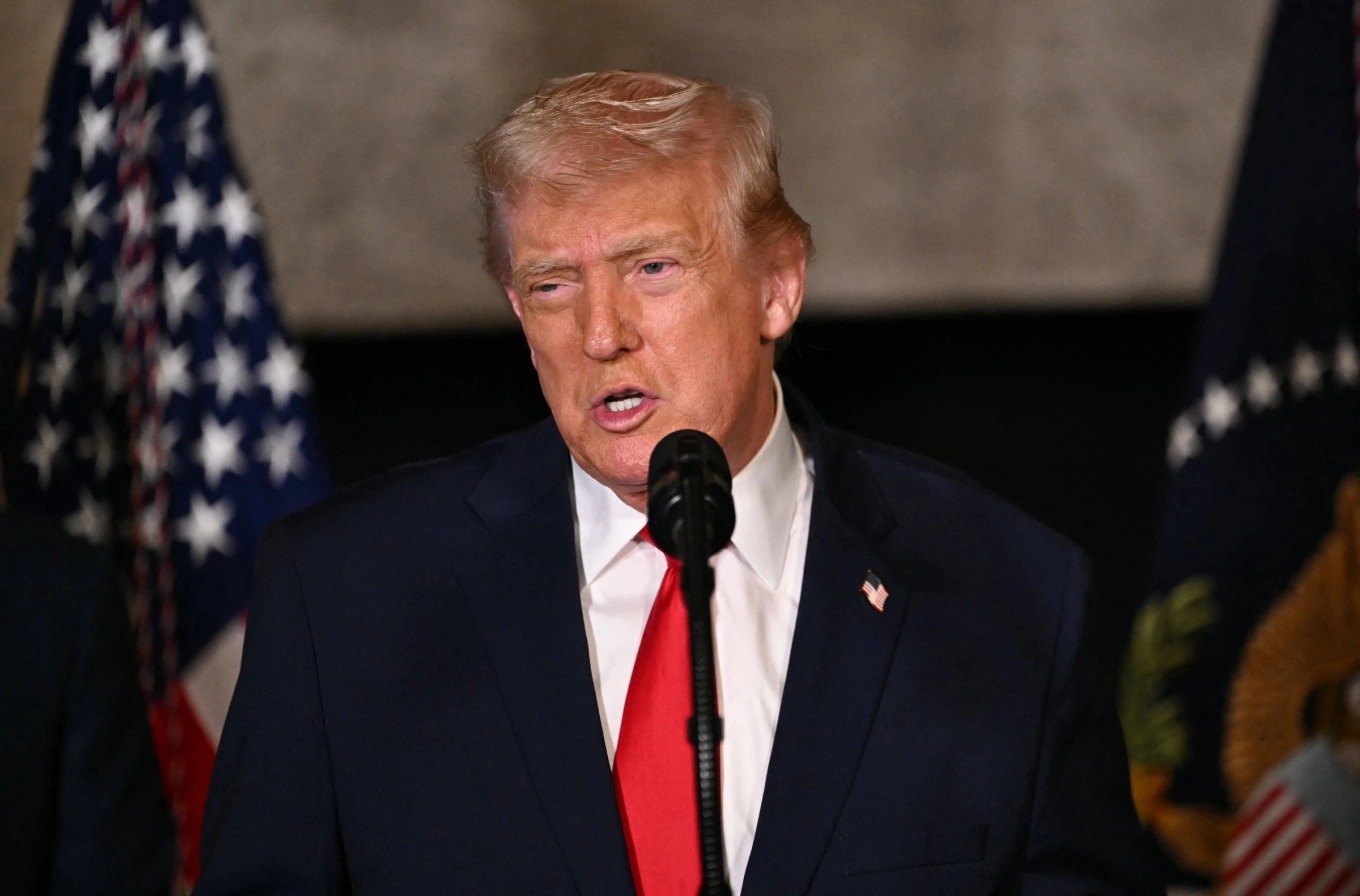
During the appearance, Crockett asserted that a “white supremacist” occupies the White House and is supported by others sharing that ideology, arguing that such influence represents a direct threat requiring urgent removal through political action.
She went further, stating that individuals motivated by white supremacist beliefs are responsible for roughly 80 percent of the most violent crimes nationwide, urging viewers to verify the claim independently rather than accept it on trust.
The comments quickly spread online, drawing intense reactions from supporters who praised her bluntness and critics who accused her of inflaming divisions and promoting misleading statistics without sufficient evidence or context.
Civil rights advocates aligned with Crockett said her remarks reflect growing alarm over extremist violence, emphasizing that domestic terrorism investigations have increasingly focused on ideologically motivated attacks tied to white supremacist networks.
They pointed to high-profile mass casualty events and federal assessments that identify racially motivated extremism as a persistent national security concern requiring coordinated responses across agencies.
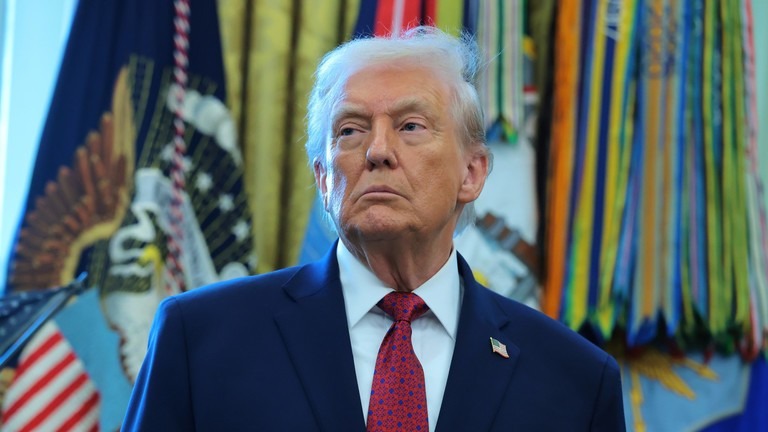
However, law-enforcement officials and criminologists cautioned that Crockett’s specific numerical claim does not align with publicly available crime data and risks conflating extremist violence with overall violent crime statistics.
According to federal crime reporting, violent crime encompasses a wide range of offenses, most of which are not ideologically motivated and cannot be attributed to extremist beliefs of any kind.
Experts stressed that while white supremacist violence is real and dangerous, it represents a subset of violent crime rather than a majority, and precision matters when addressing public safety and policy solutions.
Fact-checking organizations moved quickly to assess the claim, noting that no credible national dataset supports the assertion that white supremacists are responsible for 80 percent of violent crimes overall.
Several analysts suggested Crockett may have been referencing studies focused narrowly on extremist-related domestic terrorism incidents, which differ significantly from comprehensive crime statistics.
That distinction, they argued, is critical, because collapsing separate categories into a single narrative can mislead audiences and undermine otherwise legitimate concerns about extremist threats.
Republican lawmakers condemned the remarks as reckless and defamatory, accusing Crockett of demonizing political opponents and eroding trust in institutions through incendiary language.
Some called for a formal clarification or retraction, arguing that elected officials bear a responsibility to ground public statements in verifiable facts, particularly on issues involving crime and national security.
Democratic leaders offered more measured responses, with several emphasizing the seriousness of extremist violence while stopping short of endorsing Crockett’s specific statistical claim.
Behind the scenes, party strategists reportedly worried that the controversy could overshadow broader efforts to address domestic extremism through bipartisan legislation and community-based prevention programs.
Media commentators noted that the episode reflects a broader trend toward maximalist rhetoric, where emotional urgency sometimes overtakes empirical accuracy in televised political discourse.
They warned that such moments can harden partisan divides, making constructive dialogue more difficult even when underlying concerns are widely shared across ideological lines.
Academic experts on extremism emphasized that white supremacist ideology has been disproportionately represented in recent domestic terror cases, but urged caution against extrapolating those findings beyond their scope.
They argued that overstating figures can provide opponents an opening to dismiss genuine threats, weakening public understanding rather than strengthening it.
Community leaders expressed concern that imprecise language may stigmatize groups or distract from targeted interventions that effectively disrupt violent networks and radicalization pathways.
At the same time, advocates for stronger action against hate-based violence insisted that focusing on numerical disputes should not obscure the moral urgency of confronting extremist ideologies.
They urged lawmakers to pair rhetoric with concrete policy proposals, including improved data collection, prevention funding, and enforcement against organized hate groups.
Crockett’s office did not immediately issue a clarification, but aides indicated she stands by the broader message that white supremacist ideology poses a significant danger to public safety.
The incident has renewed calls for clearer standards around how crime statistics are communicated by public officials, particularly in high-visibility media settings.
As the debate continues, voters are left navigating competing narratives that mix legitimate concern, political framing, and contested data.
Whether the controversy results in clarification or escalation, it underscores the fragile balance between moral urgency and factual rigor in national conversations about violence.
In a polarized climate, the fallout from Crockett’s remarks illustrates how quickly rhetoric can shape — and complicate — the public’s understanding of crime, extremism, and accountability.
Ultimately, the episode serves as a reminder that confronting violent ideologies requires both moral clarity and statistical precision, especially when the stakes include public trust and effective policy.