The Republican Uprising: How Moderates Staged a Jailbreak to Save Obamacare Subsidies
Introduction:
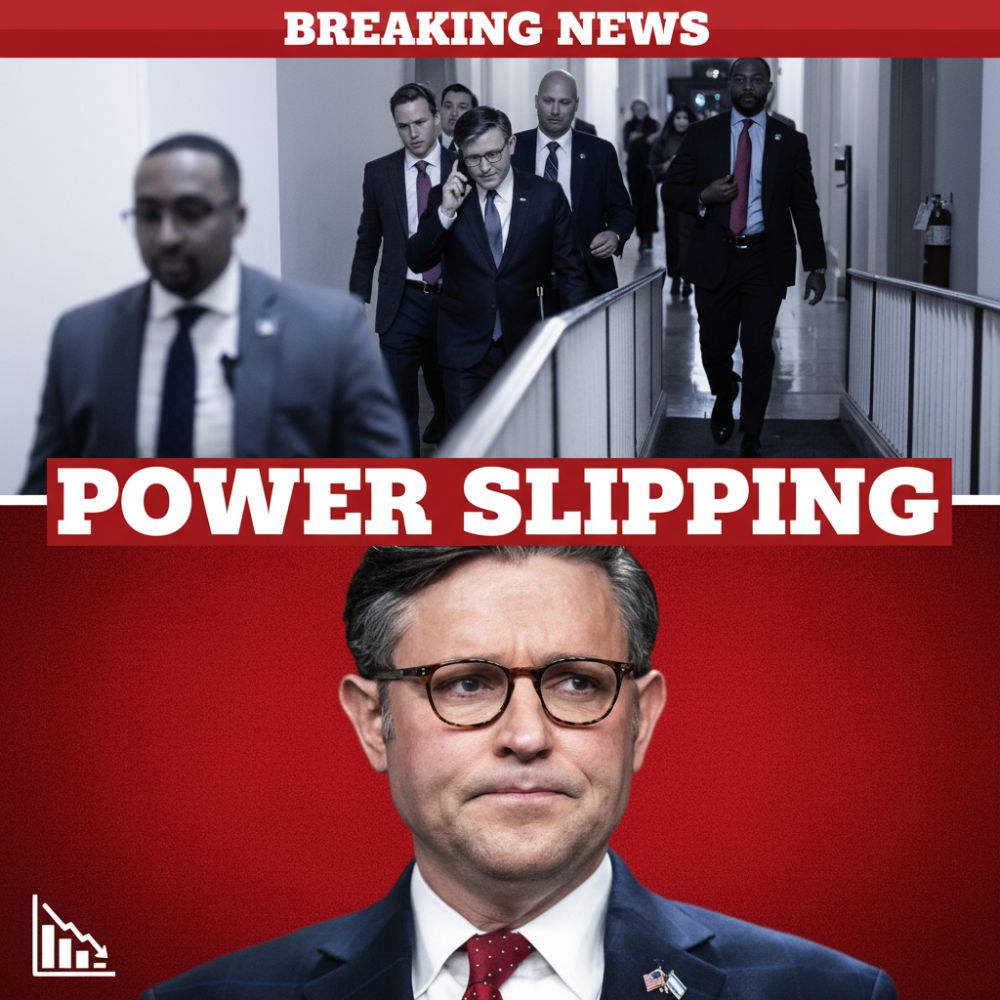
In a move that shook the foundation of the House of Representatives, Republicans staged a jailbreak against their own Speaker, Mike Johnson, in a last-ditch effort to save Obamacare subsidies. The stakes couldn’t have been higher: without an extension, millions of Americans would face higher premiums or lose their coverage when subsidies were set to expire on January 1. But Johnson, the Speaker, had his own agenda, insisting that the subsidies would not be extended and locking any potential votes out of the House schedule.
What followed was an unexpected rebellion. A small but determined group of centrist Republicans defied their leadership and took action, forcing the issue into the open. They signed a discharge petition, a rare parliamentary maneuver, to bypass Johnson and bring the ACA subsidy extension to a vote. This bold move set off a political showdown, exposing cracks in Johnson’s grip on power, and igniting a battle between the party’s moderates and conservatives. Yet, despite the rebellion, the outcome was far from certain, and the consequences for millions of Americans could still be disastrous.
In this article, we’ll dive deep into this surprising moment of revolt within the Republican Party, analyzing the motivations behind the jailbreak, the internal tensions that led to it, and the broader implications for the health care debate in America. With high stakes and even higher drama, the story of how a group of moderates fought to preserve Obamacare subsidies reveals the inner workings of American politics at a time when the nation’s health care system is hanging in the balance.
The Standoff: Speaker Mike Johnson’s Hardline Stance
For weeks, Speaker Mike Johnson held a firm line on the issue of extending Obamacare subsidies. Despite mounting pressure, including warnings from health experts and Democratic leaders, Johnson insisted there would be no vote to extend the subsidies, even after the Senate had swatted down a similar plan. His refusal to budge was a clear message to his party: he was not going to let Obamacare subsidies extend beyond their expiration date.
Johnson’s stance was more than just policy—it was about showing control and asserting power within the House. But his hardline position also put him at odds with a critical group of Republican moderates, many of whom represented swing districts and were deeply concerned about the political fallout of allowing subsidies to expire. As the clock ticked down to the January 1 deadline, tensions began to rise, and cracks in Johnson’s leadership began to show.
The Consequences: Why the Subsidies Matter
The expiring subsidies were a ticking time bomb. These subsidies provided financial assistance to millions of Americans, helping them afford health insurance under the Affordable Care Act. Without an extension, premiums would rise drastically, and millions would be at risk of losing their coverage altogether. The impact would be felt most acutely in swing states, where voters would be directly affected by the loss of coverage.
For many Republicans, this was a major issue. The subsidies were crucial for constituents who might not otherwise be able to afford health insurance. Yet, despite the clear consequences of allowing these subsidies to expire, Johnson and other conservative members of the party were determined to hold firm. It was a decision that would come to haunt them in the weeks to come.
The Rebellion: A Handful of Moderates Fight Back
As the deadline loomed, a small group of Republican moderates decided they couldn’t sit idly by while millions of their constituents faced losing their health coverage. With Johnson unwilling to relent, these centrist members took matters into their own hands. They signed a discharge petition—an extremely rare maneuver that allows a majority of members to bypass leadership and force a vote on a bill.
The discharge petition, which required 218 signatures to succeed, was a move of defiance. It was a political maneuver that threatened Johnson’s leadership and the party’s ability to control the legislative agenda. The stakes were high, and the rebels knew that they were taking a huge risk. But for them, the cost of inaction was even higher.
The Power of the Discharge Petition: A Parliamentary Nuclear Option
The discharge petition was a bold move, one that has been used sparingly in the history of the House of Representatives. It’s often referred to as the “parliamentary nuclear option” because it bypasses the normal legislative process and allows a majority of lawmakers to take control of the legislative agenda. By signing the petition, the moderates effectively removed Johnson from the equation, forcing the issue onto the floor for a vote.
This move exposed the deep divisions within the Republican Party. While Johnson and the conservative wing of the party were determined to block the subsidies, the moderates were unwilling to let their constituents suffer. It was a dramatic moment in the battle over health care, and it showed just how much was at stake.
The Fallout: GOP Moderates Revolt Against Their Own Leadership
As the discharge petition gained momentum, the backlash against Speaker Johnson became more pronounced. Several moderate Republicans began to openly criticize Johnson’s stance, calling his decision “idiotic” and “political malpractice.” For them, the stakes were too high to ignore. These moderates, many of whom represented swing districts, feared that if the subsidies expired, they would be unable to explain the consequences to their voters.
The revolt was not just about policy—it was a political calculation. The moderates knew that if the subsidies expired, they would be held responsible in the next election. As the pressure mounted, more and more Republicans joined the revolt, leaving Johnson with fewer allies than he had expected. The rebellion had the potential to reshape the future of the Republican Party and the legislative agenda in the coming months.
The Waiting Game: The Subsidies Expire Before a Solution is Found
Despite the drama unfolding in the House, the reality was that nothing could stop the subsidies from expiring on January 1. Even if the discharge petition worked on paper and secured a future vote, it did nothing to address the immediate crisis. Families would feel the premium spike before Congress even had a chance to act.
This unfortunate timing created a sense of urgency that was felt across the country. While lawmakers fought over the mechanics of the discharge petition, the clock was ticking, and millions of Americans were about to be hit with higher health insurance costs. It was a failure of leadership and a glaring example of the dysfunction in Washington.
The Democrats’ Role: Using the Discharge Petition for a Broader Deal
While the Republicans were busy fighting amongst themselves, Democrats saw an opportunity to leverage the discharge petition as a vehicle for broader negotiations. The petition had opened a door to a potential deal on health care and other critical issues, and some Democrats were quick to engage with moderate Republicans to explore possible solutions.
This moment marked a rare instance of bipartisan cooperation, with Democrats and centrist Republicans working together to address the looming health care crisis. However, with the subsidies set to expire, time was running out for any meaningful action to be taken before the damage was done. It was a race against the clock, and the pressure was mounting on both sides of the aisle.
The Political Fallout: Voters’ Reaction to the Subsidy Debate
As the debate over the subsidies continued to play out, voters across the country were watching closely. Many Americans were deeply concerned about the potential loss of health coverage and the rising costs of insurance premiums. The issue of health care has long been a flashpoint in American politics, and this latest showdown only added fuel to the fire.
For many voters, the outcome of this debate would shape their opinions of the Republican Party and its leadership. The failure to extend the subsidies could result in a significant loss of support among moderate and swing district voters. The political consequences were clear—Republicans who failed to act could face serious repercussions at the ballot box.
The GOP’s Divisions: Conservatives vs. Moderates
The fight over the subsidies underscored the deep divisions within the Republican Party. On one side, there were the conservatives, led by Speaker Mike Johnson, who believed that blocking the subsidies was the right move. On the other side were the moderates, who understood the political and humanitarian implications of allowing the subsidies to expire.
This division has been a hallmark of the Republican Party in recent years, as the party has struggled to balance the demands of its conservative base with the need to appeal to moderate voters in swing districts. The showdown over the subsidies was a stark reminder of just how fragile the GOP’s unity is, and how the party’s internal divisions could affect its ability to govern effectively.
A Glimmer of Hope: Can the Moderates Win This Battle?
Despite the setbacks, the moderates’ push for a vote on the ACA subsidies still offered a glimmer of hope. The discharge petition had gained significant momentum, and there was still a chance that a compromise could be reached. Some Republican moderates were actively working with Democrats to craft a deal that would prevent the subsidies from expiring and provide relief to millions of Americans.
This was a critical moment for the Republican Party. If the moderates could win this battle, it could mark a turning point in the party’s approach to health care and governance. But with the subsidies set to expire imminently, time was running out for any meaningful action to be taken.
The Fight for Health Care: What Happens Next?
As the drama unfolded in Washington, one thing was clear: health care would remain a top priority for both parties in the coming months. The fight over the subsidies may have been a setback for Republicans, but it also highlighted the urgency of addressing America’s health care crisis.
Looking ahead, both parties will likely continue to battle over health care reform, with the subsidies issue serving as just one piece of the puzzle. The outcome of this fight will have lasting consequences for American families, and the stakes could not be higher.
Conclusion: The High Stakes of Health Care Politics
The showdown over Obamacare subsidies exposed the deep divisions within the Republican Party and the fragile state of health care politics in America. While the moderates fought to protect the subsidies, the hardline conservatives stood their ground, and the Democrats worked to leverage the moment for broader negotiations.
The issue of health care remains as contentious as ever, and the political consequences of this fight will be felt for years to come. As Americans wait for a resolution, one thing is certain: the fight over health care is far from over. The stakes are too high for anyone to back down, and the future of health insurance in America remains uncertain.