Jimmy Fallon’s Monologue Joke Spirals Into Online Frenzy Over Baseless Trump Family Rumor
LOS ANGELES — In an era when late-night television often blurs the line between comedy and controversy, a recent segment on “Jimmy Fallon Live!” has ignited a firestorm of speculation online, centered on a satirical jab at Ivanka Trump and a long-debunked rumor involving her youngest brother, Barron.
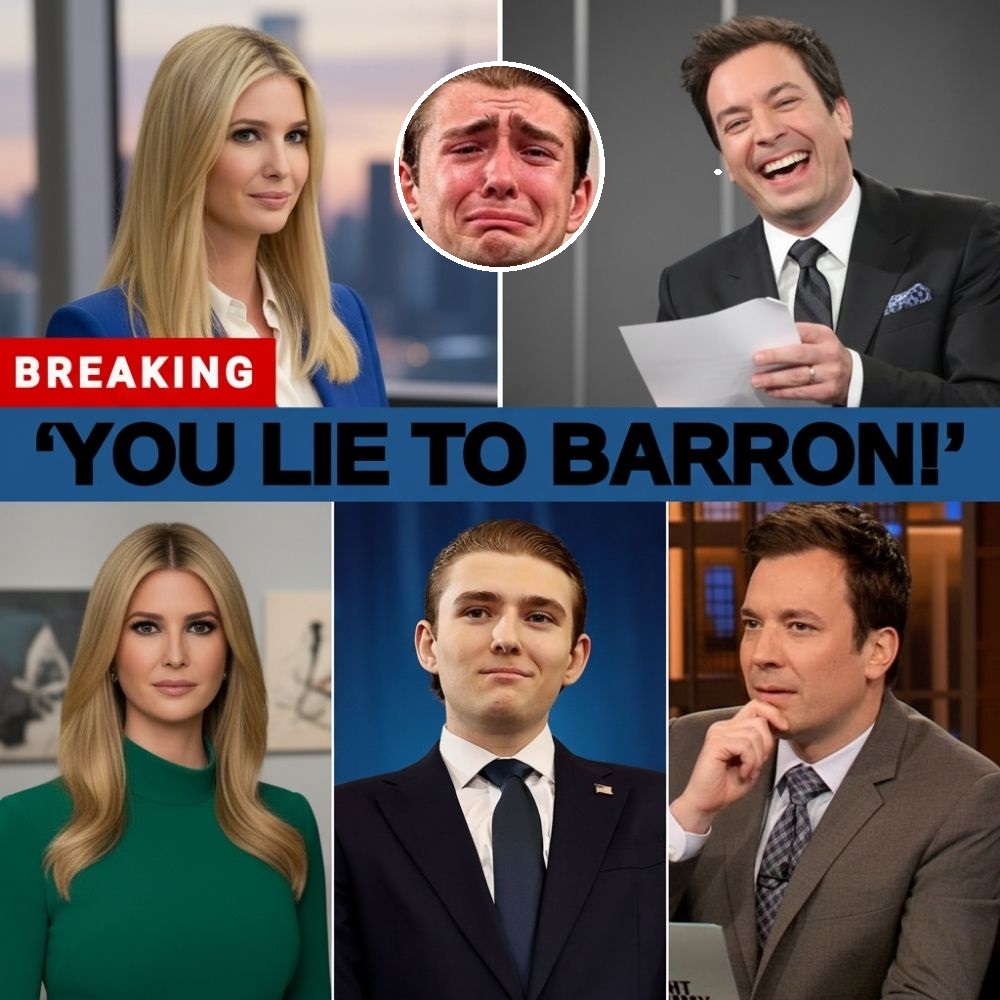
During a monologue earlier this month, Mr. Fallon, known for his pointed political humor, held up what he described as a mock “paternity document” — revealed moments later to be blank — while accusing Ms. Trump, in jest, of concealing a family secret. “Don’t lie to Barron,” he quipped, suggesting in exaggerated parody that Barron Trump’s mother was not Melania Trump. The bit culminated with a clearly manipulated image of a tearful young Barron projected on screen, drawing gasps from the studio audience before erupting into laughter.
The segment was classic Fallon: a blend of absurdity and political satire aimed at the Trump family’s public persona. Yet, in the hyper-partisan echo chambers of social media, the joke quickly morphed into something more sinister. Viral posts, amplified by anonymous accounts and sensational headlines, claimed the monologue exposed a genuine “bombshell” scandal, complete with fabricated details of Ivanka’s alleged role in hiding the truth and anonymous “insiders” whispering of deep familial rifts.
By the next morning, hashtags like #TrumpFamilySecret and #BarronTruth were trending, with millions of views across platforms. Memes proliferated, some superimposing dramatic effects on old family photos, while others speculated wildly about the implications for the Trump dynasty. Critics on the right decried the joke as crossing an invisible line into personal territory, particularly involving a child who has largely remained out of the public eye. “This isn’t comedy; it’s cruelty disguised as satire,” one conservative commentator wrote on X, formerly Twitter.
Defenders of Mr. Fallon argued that the bit was transparently parody, pointing to the blank document and edited imagery as obvious signals of fiction. “Late-night hosts have skewered politicians’ families for decades,” noted a television critic in a column for Variety. “The outrage seems selective when it targets certain figures.”
The rumor itself is not new. Baseless claims questioning Barron Trump’s parentage have circulated in fringe online communities for years, often tied to broader conspiracy theories about the Trump family. Fact-checkers, including those at Snopes and PolitiFact, have repeatedly debunked them, citing clear public records of his birth in 2006 to Donald and Melania Trump. Melania Trump, in rare public comments over the years, has described Barron’s upbringing as private and protective, shielding him from the media glare that enveloped his older siblings.
Ivanka Trump, who has stepped back from the political spotlight in recent years to focus on her family and business ventures, has not publicly responded to the segment. Sources close to the family described the joke as “tasteless but predictable,” noting the long history of tension between Mr. Fallon and former President Donald J. Trump, who has frequently criticized the host on social media.
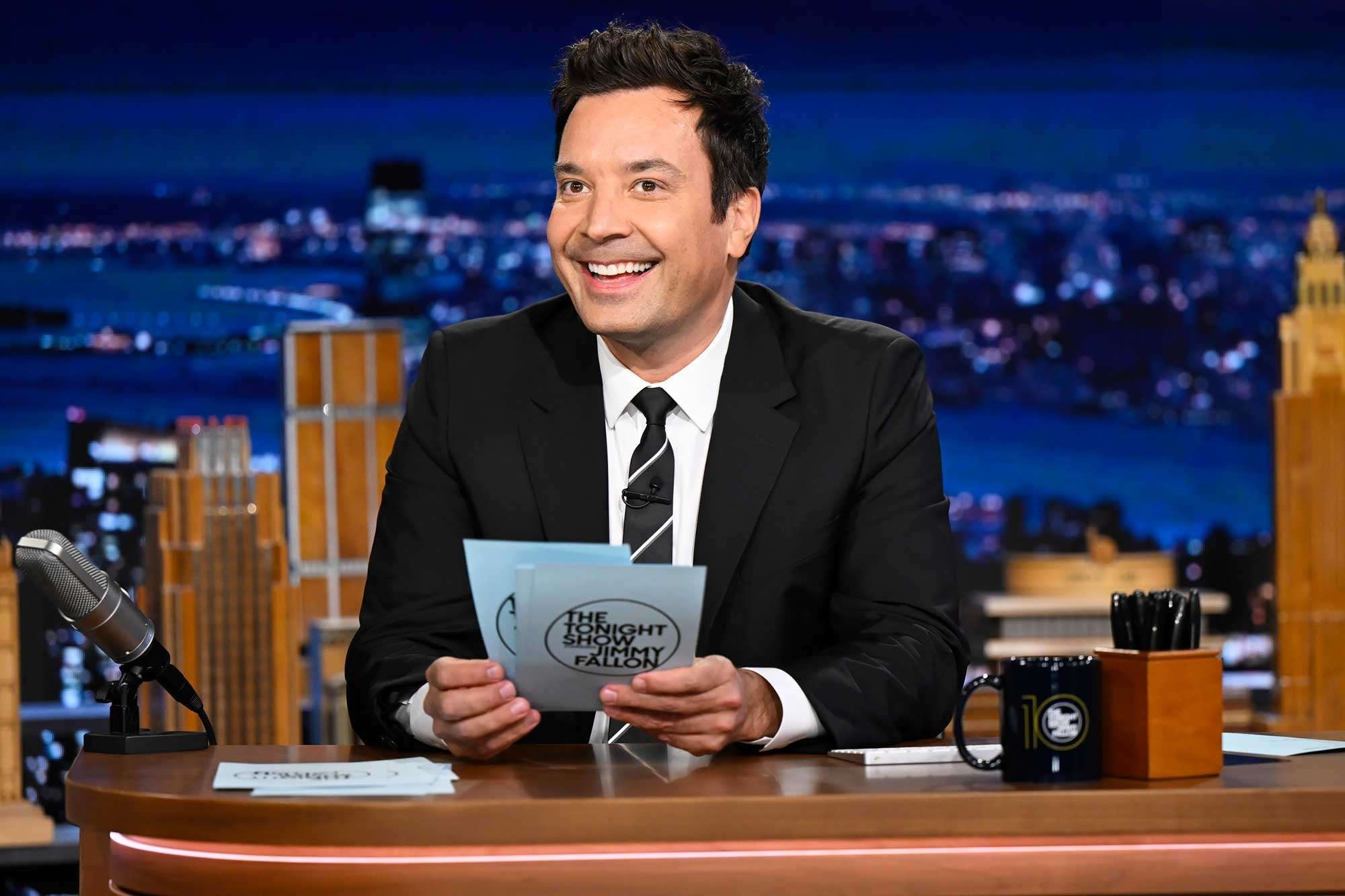
The episode underscores the challenges of comedy in a polarized media landscape. Late-night shows like Mr. Fallon’s have seen viewership fluctuate amid shifting audience tastes, with political humor both drawing loyal fans and alienating others. In 2025 alone, hosts across networks delivered thousands of jokes targeting Mr. Trump and his circle, according to media watchdogs — a reflection of his enduring cultural dominance.
Yet the rapid spread of the misinterpreted segment highlights a broader phenomenon: the ease with which satire can be stripped of context online, fueling misinformation. Experts in digital media point to algorithmic amplification as a key factor, where provocative thumbnails and clickbait titles — “Jaw-Dropping Revelation” or “Family Secrets Explode” — drive engagement far beyond the original intent.
As the online uproar continues to simmer, with clips racking up tens of millions of views, it serves as a reminder of the fragile boundary between humor and harm. Mr. Fallon, for his part, has moved on to other topics in subsequent monologues, but the incident has reignited debates about the responsibilities of comedians in an age where jokes can go viral — and viral distortions can endure long after the punch line.