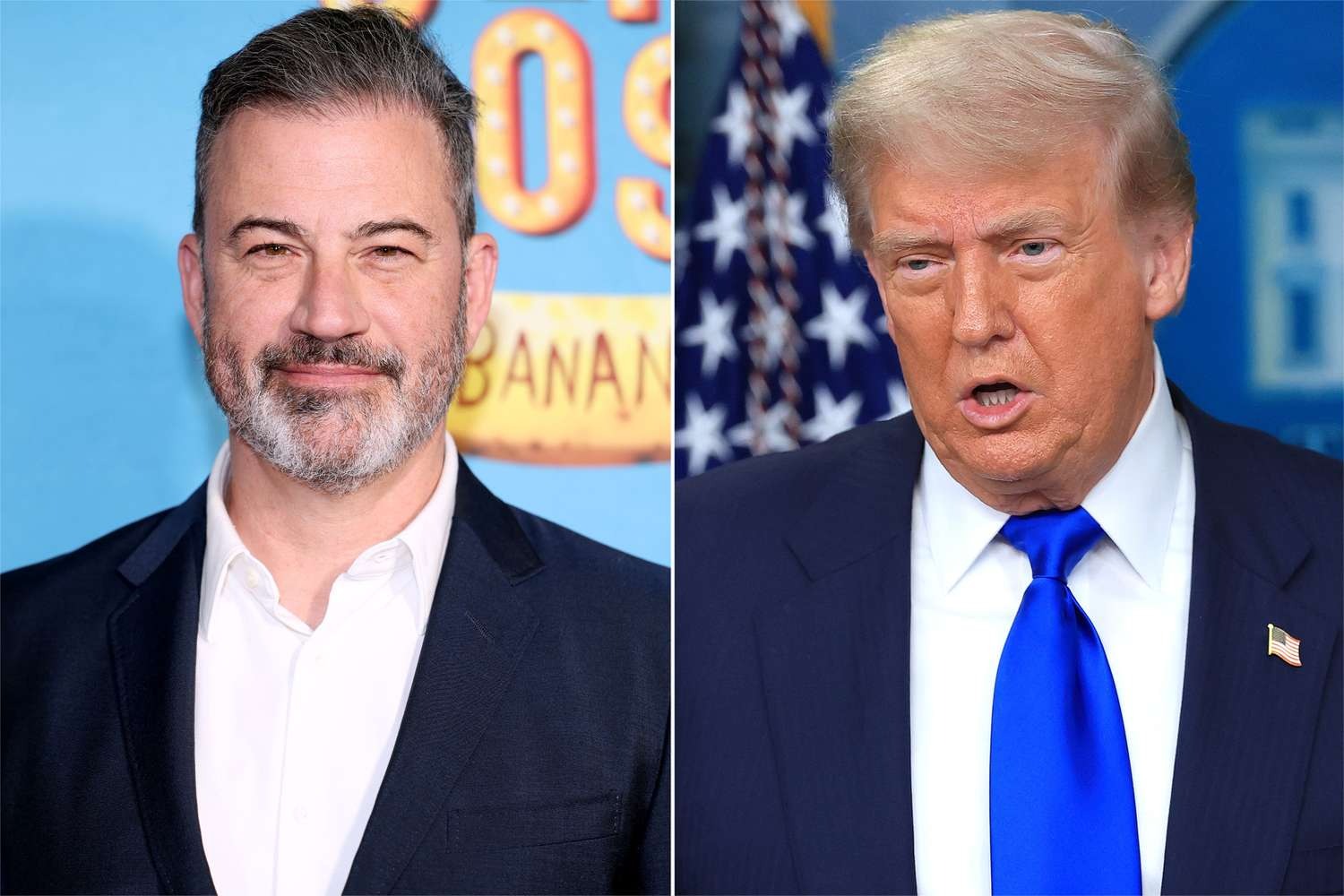
Jimmy Kimmel’s Brutal Monologue Sparks White House Uproar as Trump Comments Ignite National Backlash
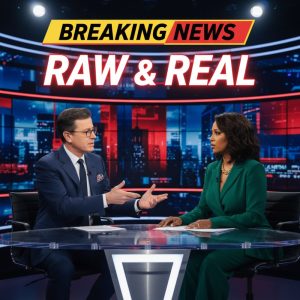
A late-night television segment has ignited a fierce media and political backlash after Jimmy Kimmel devoted a lengthy monologue to criticizing recent remarks and public messaging linked to Donald Trump and his administration. What began as satire quickly escalated into a broader debate about professionalism, power, and the boundaries of acceptable conduct in public office.
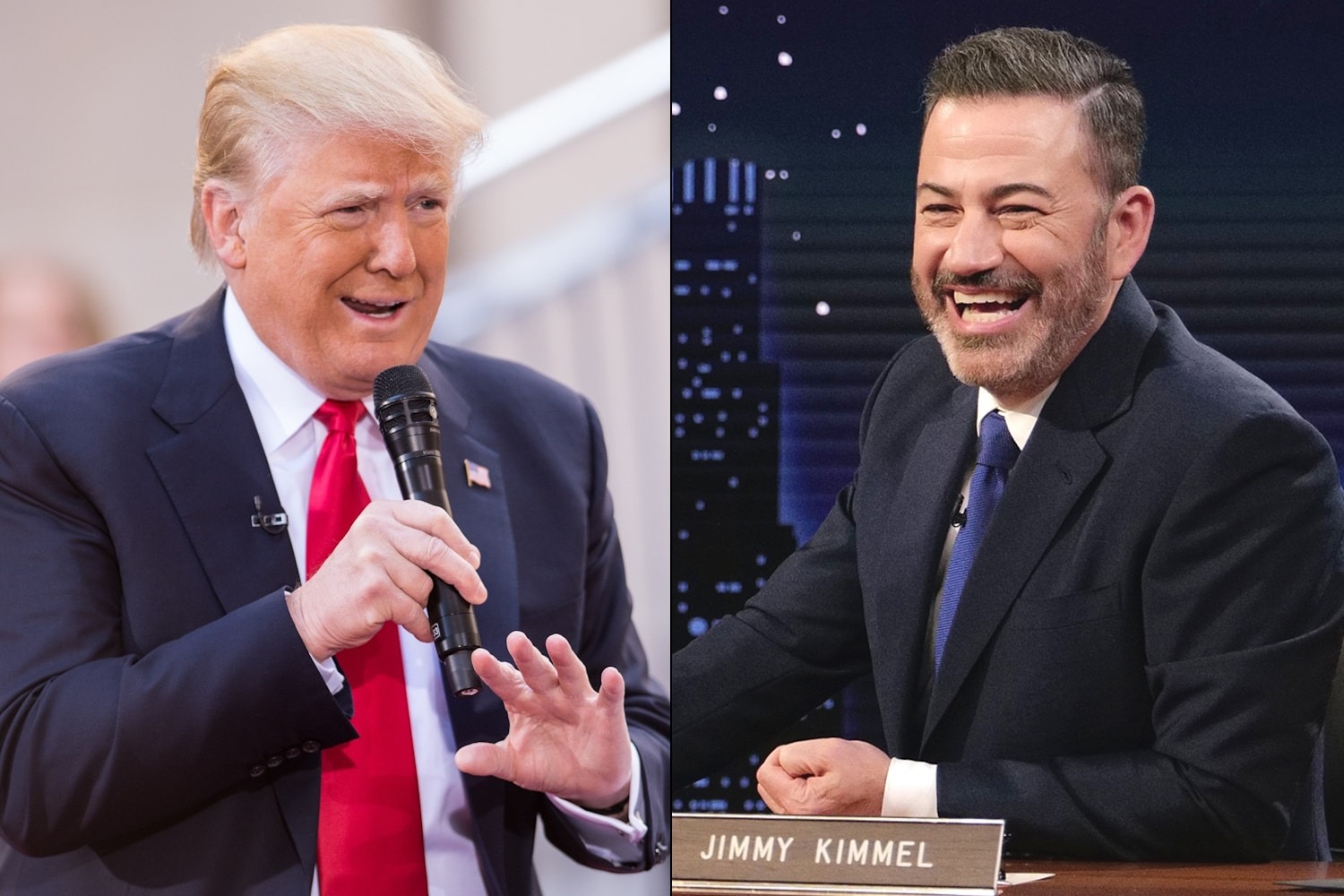
Kimmel’s monologue focused on a series of comments Trump made while speaking to reporters, which critics described as inappropriate and distracting from substantive governance. Rather than amplifying the remarks themselves, Kimmel framed the issue as one of judgment—questioning why personal observations were prioritized over competence, policy, or institutional responsibility.
The segment also scrutinized the role of Karoline Leavitt, highlighting what Kimmel portrayed as repeated instances of exaggerated or disputed claims during press briefings. By juxtaposing official statements with publicly available facts, the monologue suggested a growing credibility gap between messaging and reality, a theme that resonated widely online.
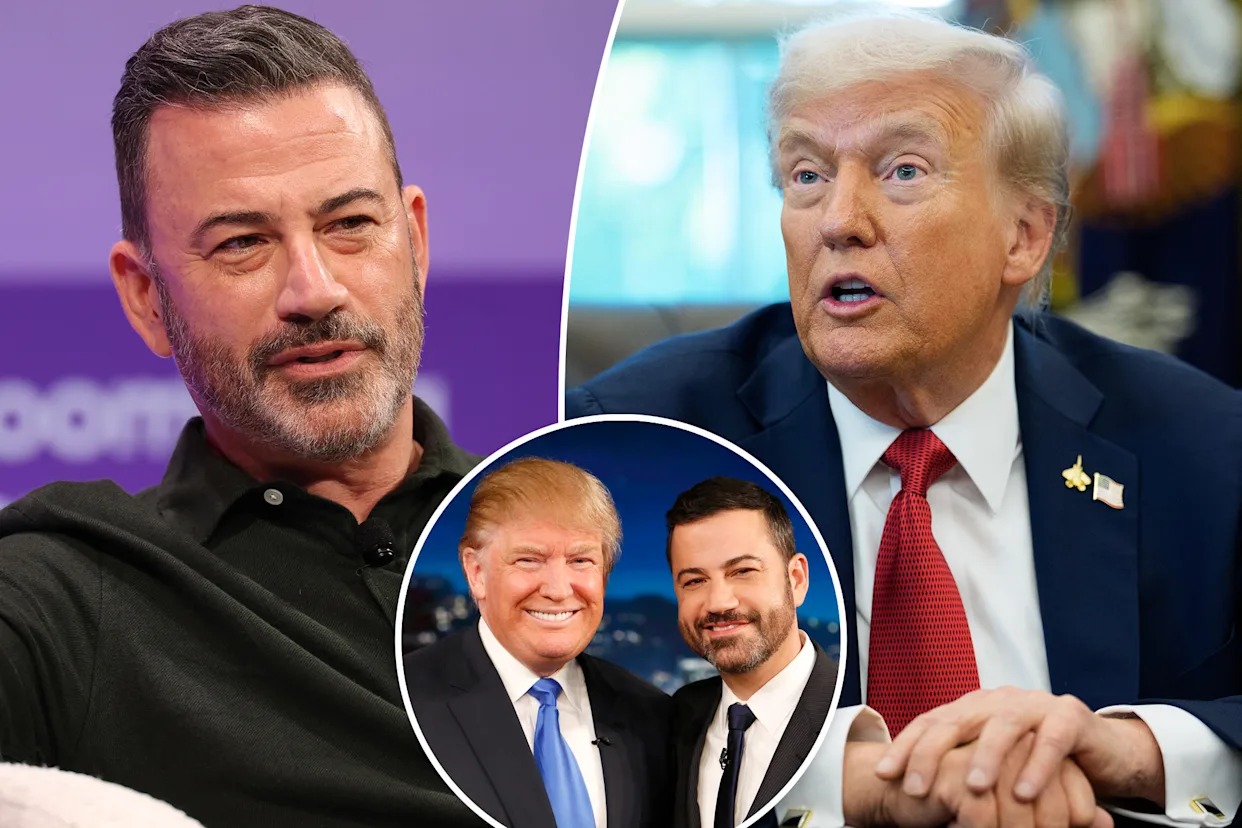
Reaction was immediate and intense. Supporters of Trump accused Kimmel of partisan targeting, while critics argued the comedian was performing a civic function by calling attention to behavior they believe has been normalized through repetition. Clips from the segment spread rapidly across social media, driving millions of views within hours.
The controversy deepened as misinformation began circulating in response. Several viral videos falsely claimed that Leavitt had confronted or “defeated” Kimmel on his own show—events that never occurred. Media analysts cited this as a textbook example of counter-narratives being manufactured to blunt the impact of unfavorable coverage.
Beyond comedy, the episode reignited discussion about press standards and accountability. Commentators noted that press secretaries are expected to convey verified information, not speculative or symbolic claims, and warned that erosion of trust in official briefings weakens democratic oversight regardless of party.
Kimmel returned to the theme in subsequent shows, emphasizing that humor can be a vehicle for clarity rather than cruelty. By refusing to “both-sides” disputed facts, he argued implicitly that truth itself should not be treated as partisan—a stance that further polarized reactions but solidified his audience’s engagement.
As the media storm continues, the episode stands as a snapshot of modern political culture: satire colliding with power, fact-checking competing with fan-driven narratives, and late-night television functioning as a parallel arena for accountability. Whether viewed as overreach or necessary scrutiny, Kimmel’s monologue has ensured that questions about conduct, credibility, and reality remain firmly in the public conversation.