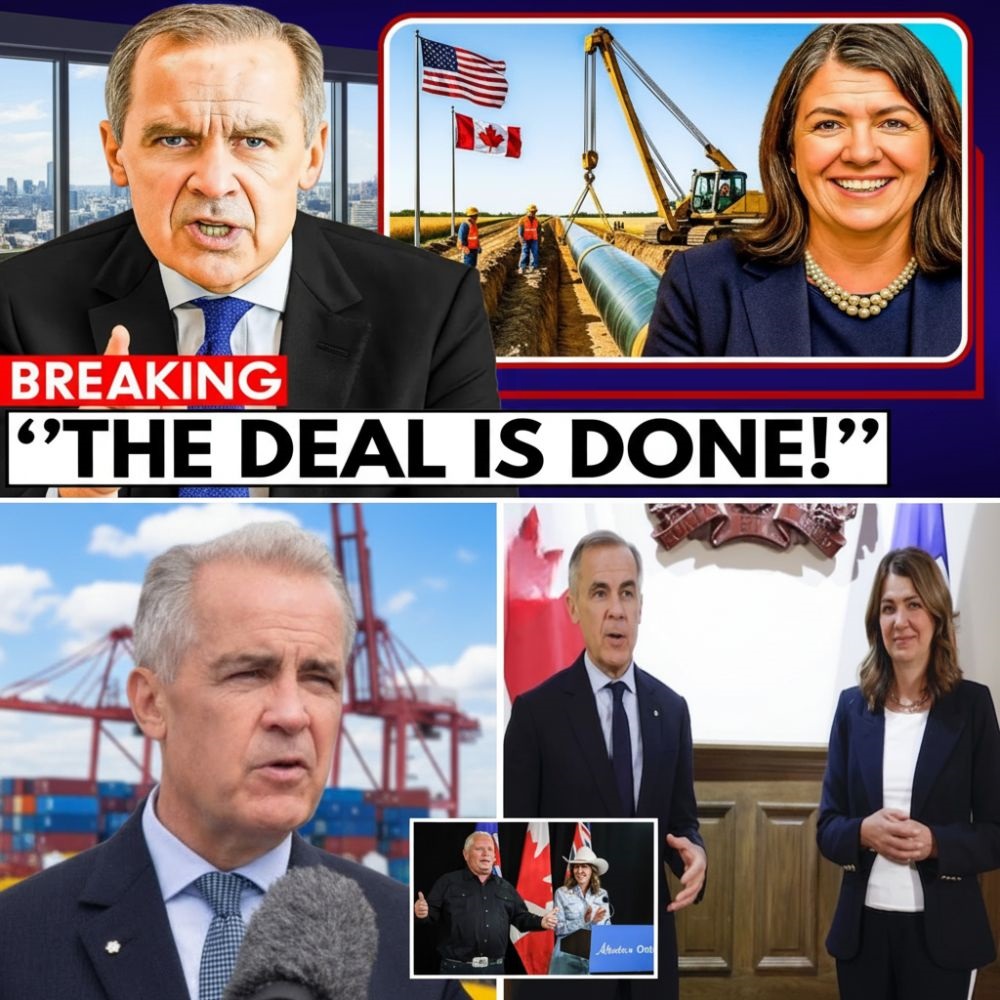
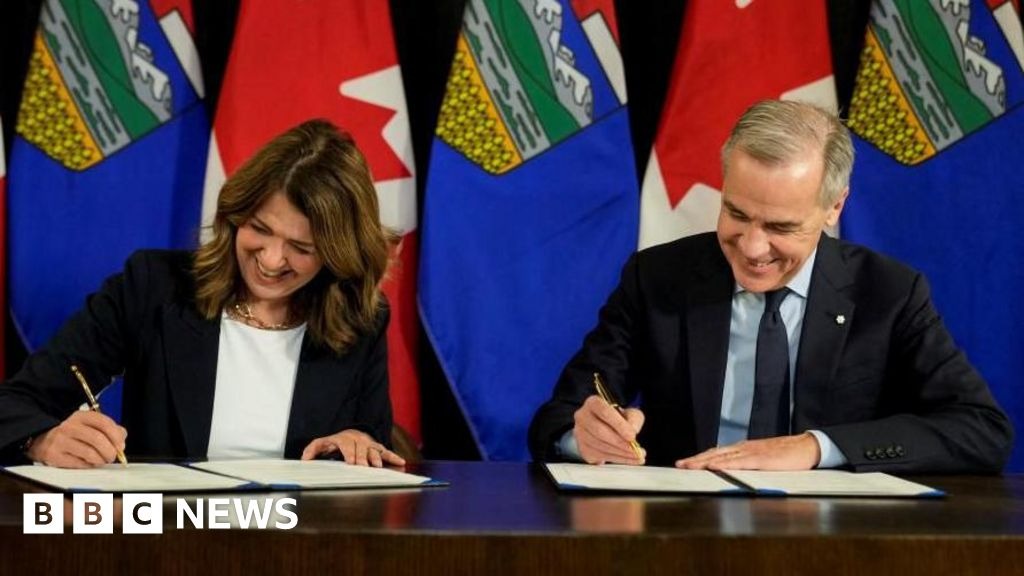
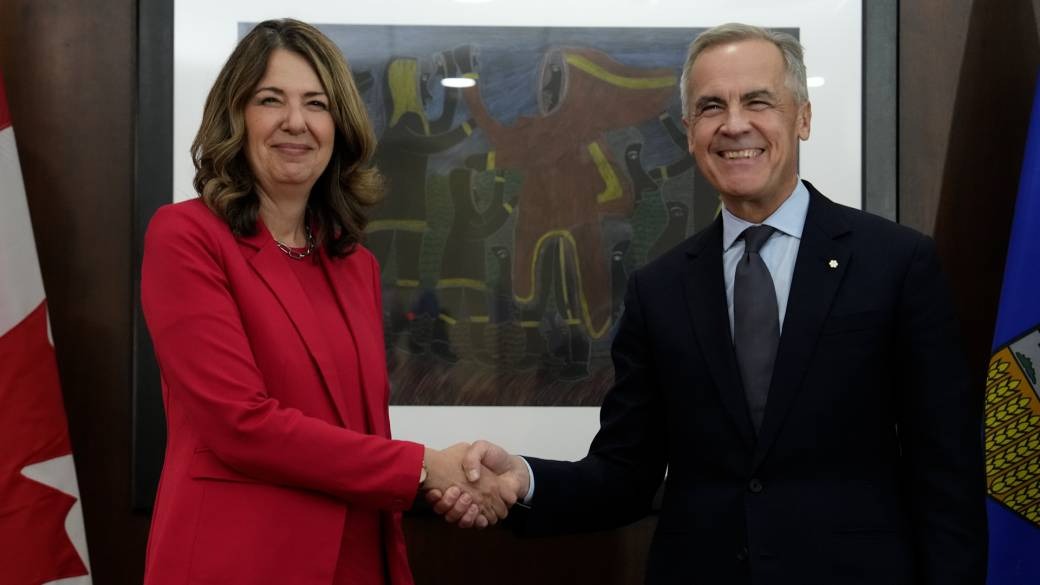
In a stunning move that has sent seismic shockwaves through the Canadian federation, the province of Alberta has unilaterally signed a landmark pipeline agreement with the United States, deliberately bypassing the federal government in Ottawa. The deal, for a project capable of moving one million barrels of oil per day, represents a direct and unprecedented challenge to federal authority and has ignited a furious political crisis.
Federal officials are reportedly reeling from the announcement, which was made without consultation or request for federal approval. The agreement signals a definitive break from a decade of acrimony, where Alberta watched over half a trillion dollars in energy projects be canceled or stalled under federal policies. This move is being framed by Alberta’s government not as mere infrastructure, but as an act of economic sovereignty.
The new pipeline corridor, already under initial construction with $350 million invested and steel in the ground, is designed for scalability and will carry roughly a quarter of Alberta’s current daily oil output. Its route south effectively sidesteps traditional east-west Canadian infrastructure, creating a direct and tariff-free link to U.S. refineries specifically built to process Alberta’s heavy crude. This strategic partnership capitalizes on a persistent American shortfall of six million barrels per day.
Ottawa’s outrage, palpable in the capital, stems from the blatant circumvention of its regulatory regime. Landmark federal legislation like Bill C-69, dubbed the “No More Pipelines Act” by critics, along with an oil tanker ban and a sector-specific emissions cap, were designed to exert federal control over resource development. Alberta’s action renders that control moot, proving a province can finance and execute major projects independently.
The economic implications are colossal. Analysts calculate that federal policies have cost Alberta an estimated $55 billion in annual GDP and $17 billion in yearly provincial revenue—funds that could have transformed healthcare, education, and infrastructure. Instead, Alberta has chosen to forge its own path, leveraging its resource wealth directly with its largest customer.
Market realities underscore the deal’s logic. Alberta’s oil is cheaper, cleaner from a wells-to-refinery perspective, and more geopolitically stable than alternatives from regions like Venezuela or the Middle East. For American refiners, it guarantees a secure, predictable supply, making the agreement economically bulletproof despite Ottawa’s objections.
Beyond the oil, the project is a corridor strategy. The infrastructure will serve as a backbone for shipping other western exports like liquefied natural gas, minerals, grain, and potash, creating multiple trade exit points and breaking the veto power other regions have historically held over western Canadian prosperity.
The political fallout threatens the very fabric of Confederation. Alberta, contributing a net $250 billion in equalization payments over the past decade while facing constant opposition to its core industry, has demonstrated it can operate autonomously. Combined with Saskatchewan, the two provinces produce 75% of Canada’s oil; their coordinated independence could blow a $20 billion annual hole in the federal budget.
This precedent terrifies Ottawa. The federal model, built on provinces seeking approval, has been shattered. Indigenous communities are reportedly co-owners in the venture, aligning economic interests and mitigating legal risks—a model Ottawa failed to achieve with its own disastrously managed Trans Mountain expansion, which finished 300% over budget.
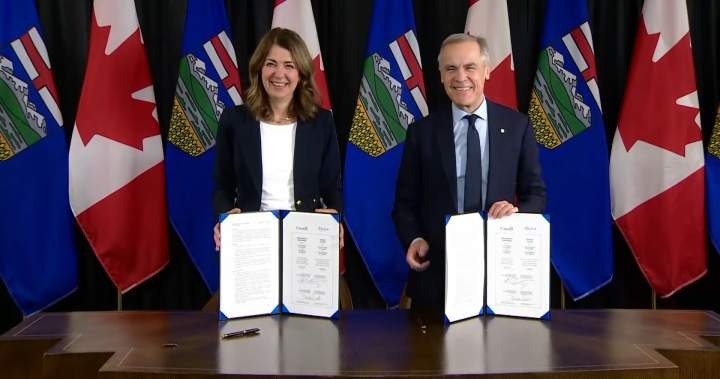
The response from opposition federal leaders has been immediate, with calls to scrap the very legislation that provoked Alberta’s defiance. The conversation has irrevocably shifted from whether Alberta needs Ottawa to whether Canada can survive without a prosperous, autonomous Alberta. The province has drawn a line in the sand, transitioning from protest to proof of concept.
For the federal government, the panic is not merely about barrels of oil but about the collapse of its centralizing playbook. Endless panels, carbon speeches, and regulatory hurdles have been leapfrogged by a province that decided to build its own future. The leash, as Alberta proclaims, has snapped.
This deal is more than steel and crude; it is the first nail in the coffin of a strained status quo. As Alberta and its western allies taste real economic sovereignty, the pressure on Ottawa becomes existential. The West is building, partnering, and proving independence is not a dream but a plan in motion, and there may be no going back.