You are about to watch a political moment that did not explode because of shouting, insults, or chaos. It exploded because three short questions built a timeline too sharp to ignore.
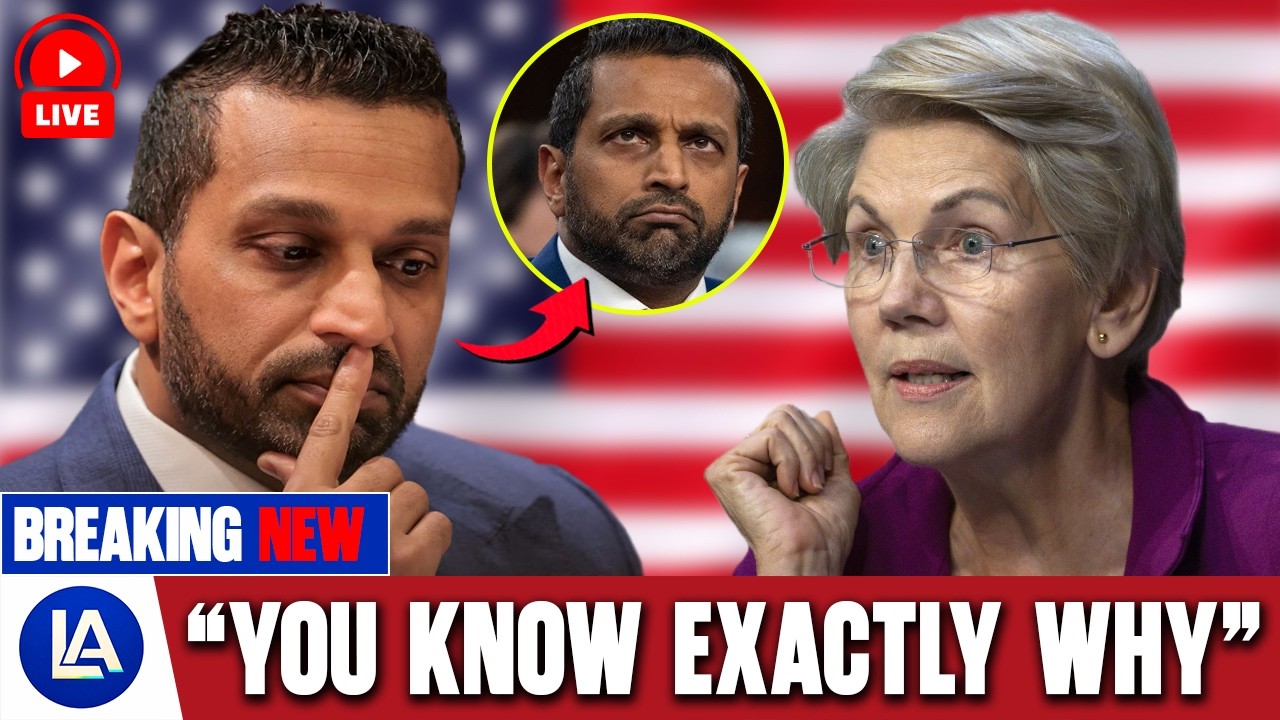
Not long questions. Not dramatic speeches. Not a theatrical ambush built for easy clicks. Just a sequence, delivered with precision, that forced a federal official to walk into his own answers.
That is what made the room change.
Because once the dates were placed side by side, the real issue was no longer style, tone, or partisan spin. The issue became whether anyone could still call this normal.
For months, Washington had been drowning in noise. Press conferences, counterattacks, denials, panels, leaks, outrage, and endless attempts to turn every scandal into just another news cycle.
But this moment cut through all of that.
A senator did not try to win with volume. She tried to win with order. She took public reporting, personnel actions, and a politically explosive investigation, then aligned them like evidence.
And once that happened, the hearing stopped feeling routine. It started feeling surgical.
Question one was simple. A major article had just been published, built on the voices of dozens of current and former FBI employees describing turmoil, vendettas, and dysfunction inside the bureau.
Did he read it.
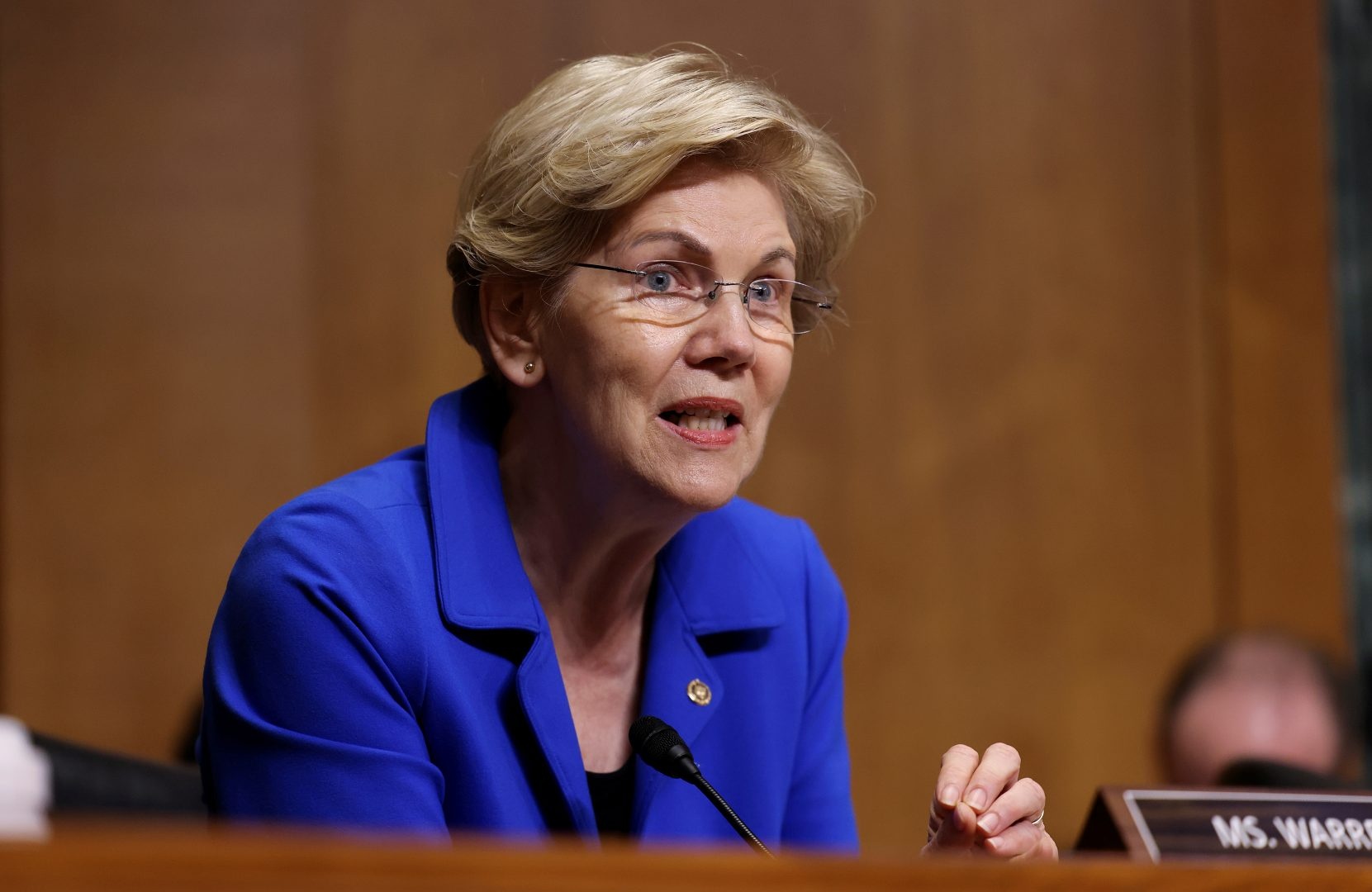
The answer came fast. Yes.
No hesitation. No confusion. No dodge. A clean acknowledgment, which mattered because it locked the first date into the record and made the timeline impossible to blur later.
Then came question two, and that is where the pressure began tightening.
The day after that article appeared, six agents from the FBI’s Miami field office were fired. The senator did not ask for a speech, a theory, or a procedural monologue.
She asked the only thing that mattered in that instant. Were those six agents involved in the article.
Now the answer slowed down.
Not into a total collapse, but into that familiar language public officials reach for when they need distance. Process. Reviews. Administrative framing. Words that sound official while avoiding the point.
The senator cut through it. Yes or no.
Then came the answer. No, they were not involved in the article.
At that point, many hearings would have drifted forward. Two questions asked. Two answers given. Nothing visually dramatic. Nothing loud enough to dominate the evening news on its own.
But that was exactly the trap.
Because the real force of the exchange was never inside the first two answers. It was in what those answers prepared the room to understand when the third question arrived.
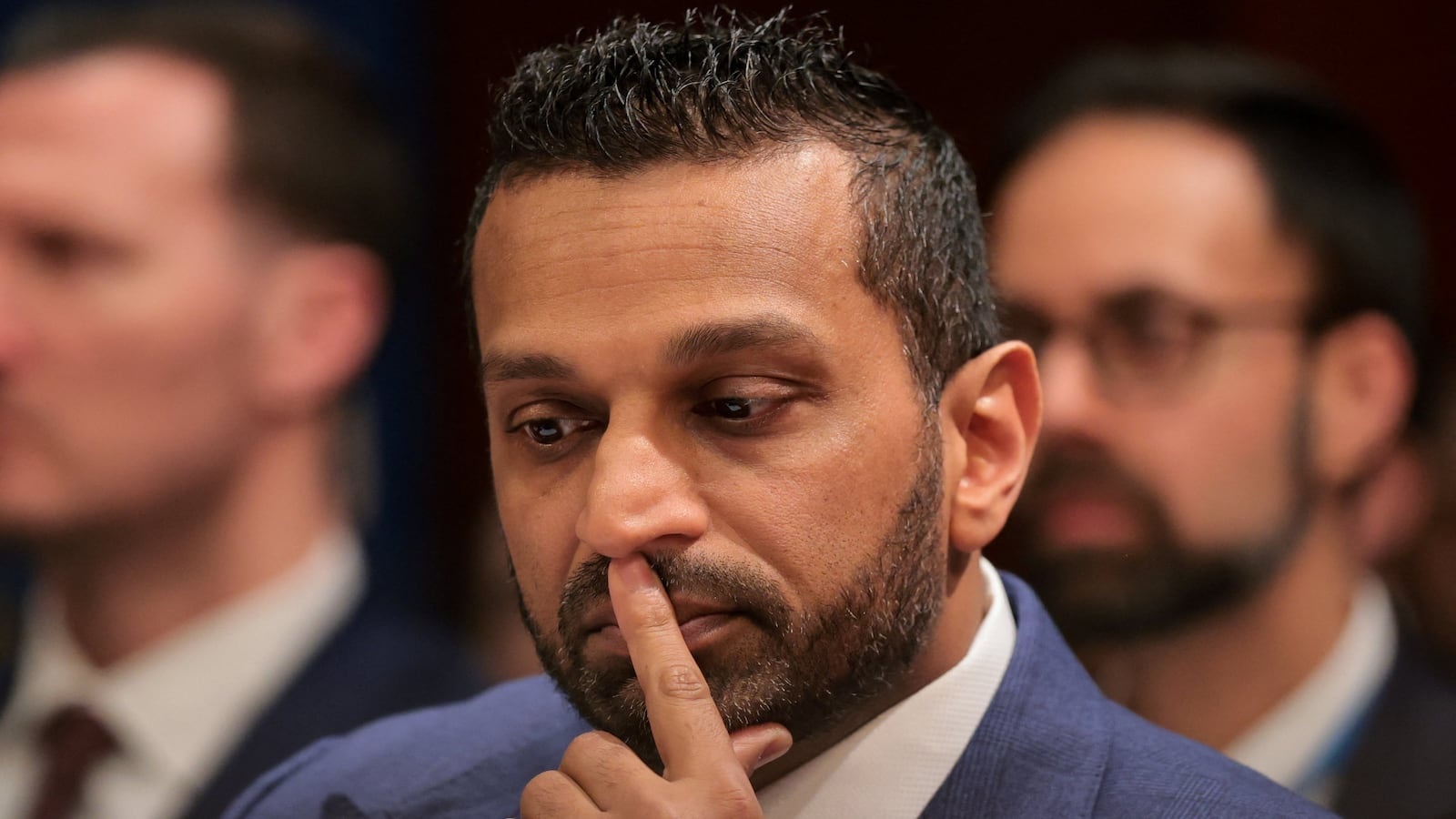
Were any of those six agents involved in the FBI’s 2022 search of Mar-a-Lago.
That was the moment everything tightened.
Not because the question was confusing. It was not. Not because the answer was unknowable. It was not. It mattered because of the order in which the answers had already been placed.
First, he had read the damaging article.
Second, the agents fired the next day had nothing to do with that article.
Third, those same agents were involved in one of the most politically radioactive investigations in modern American life.
Then came the pause.
And silence, in hearings like this, is never empty. Silence is pressure becoming visible. Silence is calculation. Silence is the moment when everyone in the room realizes the next word matters more than all the previous ones.
Finally, the answer came. Yes. They were involved.
That is it. That is the sequence. That is why the clip spread.
Because no one needed a screaming match after that. The timeline had already done the damage. The structure of the exchange carried more force than any speech could have.
A damaging article appears. The next day, six agents are fired. Those agents were not tied to the article. They were tied to the Mar-a-Lago search. That is the chain.
And once people hear that chain without interruption, the question almost asks itself.
If this is not retaliation, then what exactly are people looking at.
That question is what makes this story dangerous.
Not dangerous in the sensational sense alone, but dangerous because it strikes at the most fragile point in any law enforcement institution, the belief that following lawful orders will still protect your career.
If agents can participate in a court-authorized search, operate within legal procedure, and later find themselves removed in a timeline this politically charged, what message does that send to everyone still inside the system.
That is where the story stops being about one clip.
It becomes about atmosphere. It becomes about internal fear. It becomes about whether people inside the institution start asking not just, “Is this legal,” but also, “Will this destroy me later.”
And once that second question enters the room, institutions start bending.
Not always in public. Not always in ways that can be proven immediately. But in hesitation, delay, calculation, and caution where clarity is supposed to live.
That is why the hearing moment felt so much larger than its length.
It condensed a year of suspicion into barely more than a minute. It did not prove every accusation. It did something more powerful for public debate. It shifted the burden of explanation.
Because from that point forward, denial alone no longer feels sufficient.
A simple denial addresses motive. A timeline challenges structure. And when structure starts looking this clean, motive becomes harder to brush away with one sentence.
Critics of the senator’s framing will say this was political choreography, that sequence is not proof, timing is not guilt, and officials deserve process before public conviction.
That argument matters. It should matter.
But defenders of the bureau’s independence will say something equally serious. If timing like this keeps appearing around politically sensitive cases, then the public has every right to ask whether power is being used defensively.
That is why this hearing did not disappear after the gavel.
It touched a nerve far larger than one personnel decision. It hit the national fear that institutions can be slowly reshaped not by law, but by pressure from the top.
And Americans understand pressure better than they understand legal memos.
They understand what it looks like when criticism lands on Monday and consequences arrive on Tuesday. They understand what it means when silence stretches just long enough to make everyone suspicious.
That is the social-media power of this moment.
You do not need a law degree to feel its tension. You do not need an insider briefing to see why people immediately started arguing about what those three answers really meant.
One side sees an obvious pattern.
The other sees reckless narrative building from incomplete facts.
And that clash is exactly what sends moments like this into the bloodstream of the internet, where uncertainty is often more combustible than certainty.
Because certainty ends arguments. Uncertainty multiplies them.
That is why people keep sharing clips like this with captions, reactions, stitches, threads, and furious comment wars. The hearing did not resolve the issue. It sharpened it.
It gave millions of viewers a sequence simple enough to repeat and provocative enough to weaponize. That is how modern political firestorms sustain themselves long after the hearing room empties.
But beneath the viral framing sits a far more serious issue.
Federal law enforcement only works if agents believe the system protects lawful action, even when the political consequences are inconvenient for powerful people above them.
Once that trust starts cracking, the damage does not stay confined to one case. It spreads through every future decision, every future warrant, every future operation that might later become politically costly.
That is the real threat buried inside these 83 seconds.
Not merely whether one set of firings looks suspicious, but whether a pattern like this can create a chilling effect so deep that lawful action begins to feel personally dangerous.
And if that happens, then the story is no longer about a single director, a single senator, or a single hearing clip. It becomes a national question about whether accountability can survive embarrassment at the top.
That is why the silence after the third question mattered so much.
It was not just delay. It was the sound of a timeline closing in. The sound of a room recognizing that what had just been built on the record would be very difficult to unsee.
So now the argument moves beyond the hearing.
Was this coincidence. Was it a bureaucratic process that looked terrible on camera. Or was it something more deliberate, more structural, and more dangerous than officials want the public to believe.
That is the debate now.
And until there is a fuller record, stronger explanations, or evidence capable of breaking this sequence apart, those three questions will keep echoing far beyond that committee room.
Because sometimes the most explosive political moment is not the loudest one.
Sometimes it is the one where the facts are arranged so carefully that the audience starts asking the hardest question on its own, and once that happens, the fire has already started.