A seismic rupture in the cornerstone of North American stability is unfolding as the Trump administration’s aggressive trade posture toward Canada triggers an economic and constitutional crisis. Former Bank of England and Bank of Canada Governor Mark Carney’s steadfast refusal to capitulate to unilateral demands has brought negotiations to a complete standstill, with retaliatory measures and a landmark legal challenge now threatening profound repercussions for both nations.
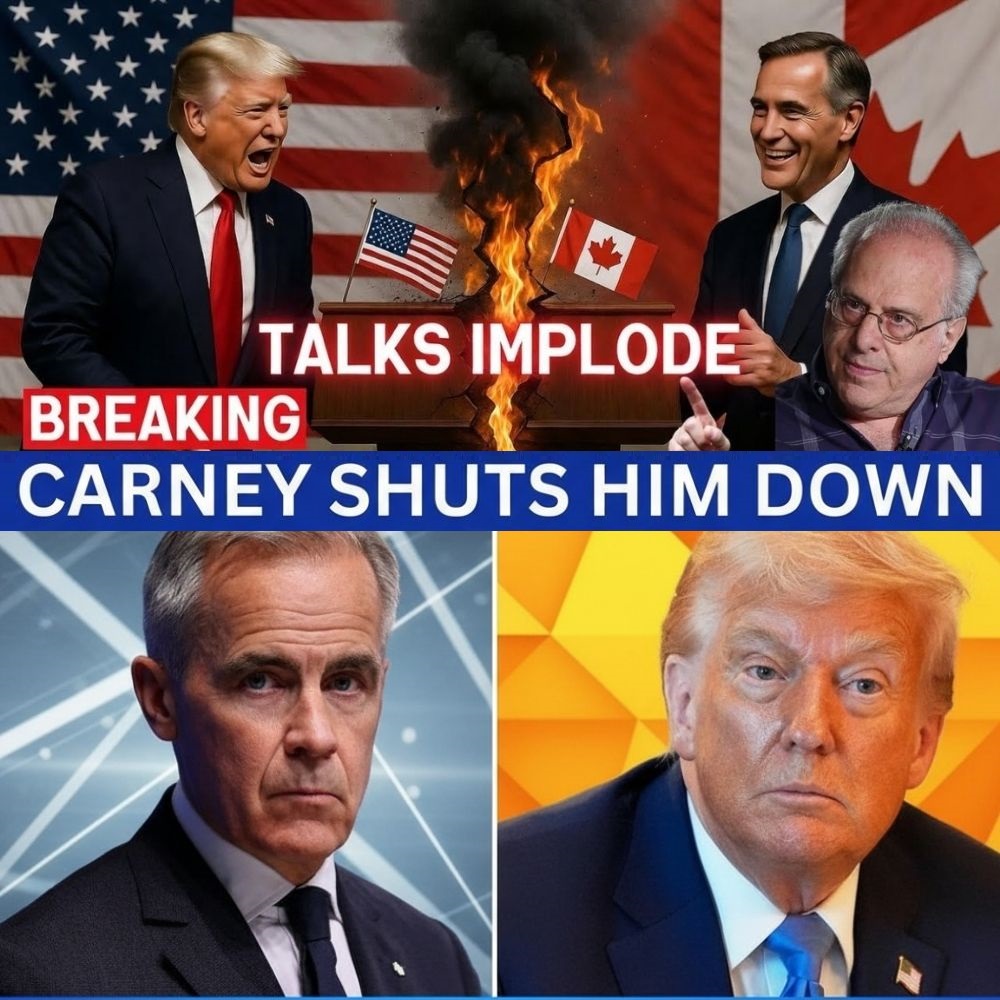
President Donald Trump, back in office less than a year, has pivoted his “America First” doctrine toward the United States’ largest trading partner. He is threatening to impose sweeping 25% tariffs on Canadian goods, alleging unfair practices and national security concerns. This move has stunned diplomatic and business communities, targeting a nation whose economic integration with the U.S. is unparalleled.
The administration’s demands center on unilateral concessions regarding the enforcement of the USMCA, the trade agreement governing North American commerce. U.S. negotiators reportedly sought provisions allowing tariffs to be reimposed at will, effectively rendering the rules-based pact meaningless. Ottawa, led by Carney’s pragmatic approach, has refused to dismantle the agreement’s core stability.
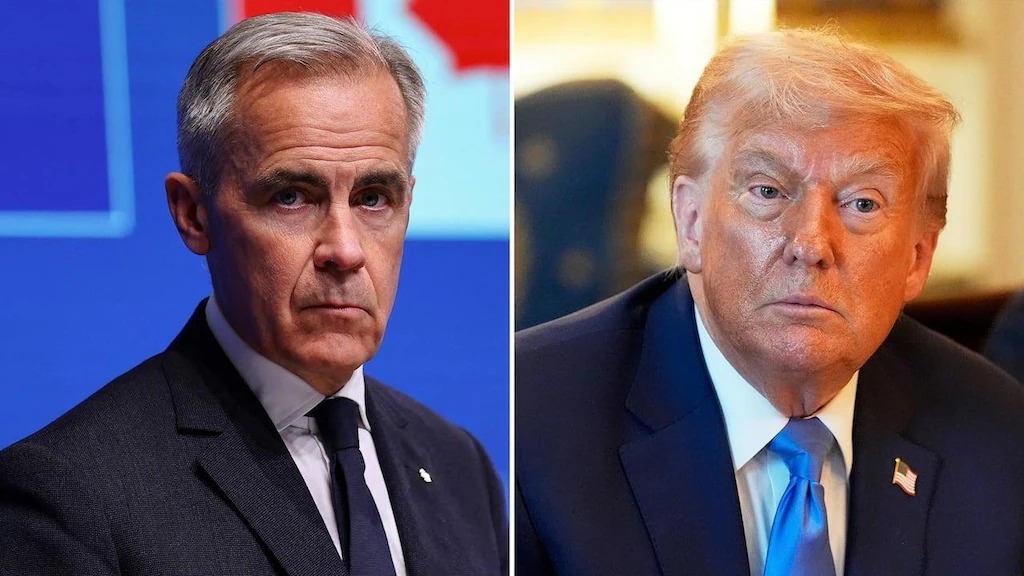
Mark Carney, an economist revered in global financial circles, has countered Trump’s bluster with cold, data-driven realism. He has focused on integrated supply chains and the mutual economic devastation a trade war would guarantee, refusing to engage in personal rhetoric. This calm defiance has reportedly infuriated a president accustomed to theatrical negotiations and public submission.
Tensions boiled over publicly when President Trump took to social media and cable news, accusing Canada of taking advantage of the U.S. and labeling its leadership “nasty.” He escalated further in private, suggesting Canada’s stance constituted a threat to U.S. national security—a designation typically reserved for adversarial states, not a military ally and economic partner.
The immediate economic fallout is already materializing. Auto manufacturing plants in the Great Lakes region are freezing expansion plans. Lumber shipments to American homebuilders are being slashed, threatening housing affordability. Tourism revenue in states like Florida, reliant on Canadian visitors, is in jeopardy as consumer confidence plummets on both sides of the border.
Faced with U.S. intransigence, Carney has initiated a strategic pivot, quietly opening discussions with Pacific nations and European partners to diversify Canada’s trade. This move, a logical step for any sovereign nation mitigating risk, was interpreted by the Trump White House as a profound betrayal, further poisoning the diplomatic atmosphere.
The American business community is now pushing back with unprecedented force. On November 5, 2025, a coalition of industry groups filed a lawsuit in federal court challenging the constitutional basis of the proposed tariffs. They argue Trump’s use of the International Emergency Economic Powers Act (IEEPA) for a trade dispute is a blatant abuse of power.
The lawsuit asserts that the power to levy taxes and duties rests solely with Congress, as defined in Article I of the Constitution. It contends that declaring a national emergency over a managed trade relationship with a close ally sets a dangerous precedent for unlimited executive overreach. The Supreme Court has expedited the case given its urgent economic implications.
Legal scholars across the ideological spectrum have expressed deep skepticism toward the administration’s position. During oral arguments, even conservative justices questioned the validity of invoking national security powers in this context. Justice Neil Gorsuch warned of a “one-way ratchet of executive power” if the president’s actions were upheld.
Prominent conservative attorney George Conway stated allowing these tariffs would effectively “erase the separation of powers,” handing the president king-like authority over the economy. This sentiment underscores the case’s significance, which legal experts compare to major separation-of-power battles from the mid-20th century.
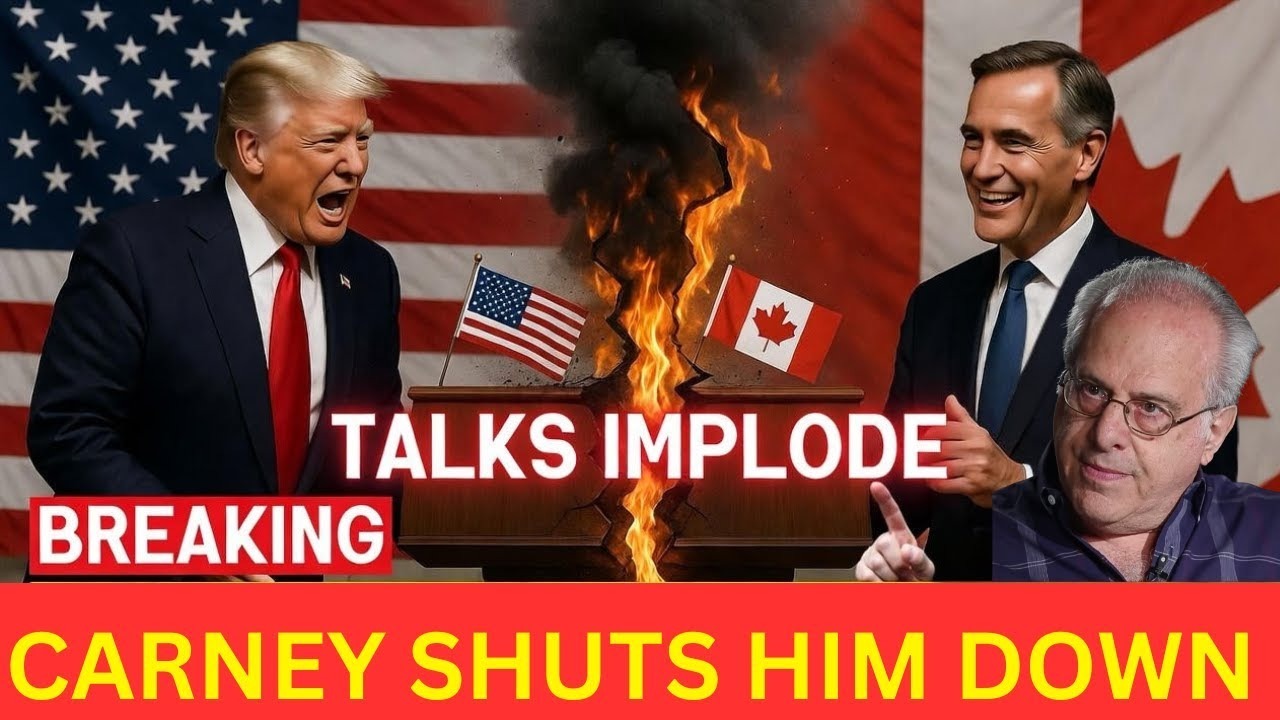
The political reverberations within the United States are intensifying. President Trump faces mounting backlash over rising consumer prices, with his approval ratings softening in crucial swing states like Michigan and Wisconsin. Farmers and manufacturers, recalling the pain of earlier trade skirmishes, are growing anxious ahead of the 2026 midterm elections.
Canada has signaled plans for carefully targeted retaliatory tariffs on goods produced in key Republican congressional districts. This precise political calculus aims to amplify domestic pressure on the administration, turning a foreign policy dispute into a direct electoral liability for lawmakers supporting the president’s hardline stance.
Democratic strategists are preparing to weaponize the crisis, framing it as definitive proof that Trump prioritizes chaos and personal dominance over American economic well-being. They plan to highlight rising costs at grocery stores and hardware outlets as direct consequences of a needless conflict with a friendly neighbor.
Prominent conservative attorney George Conway stated allowing these tariffs would effectively “erase the separation of powers,” handing the president king-like authority over the economy. This sentiment underscores the case’s significance, which legal experts compare to major separation-of-power battles from the mid-20th century.
The political reverberations within the United States are intensifying. President Trump faces mounting backlash over rising consumer prices, with his approval ratings softening in crucial swing states like Michigan and Wisconsin. Farmers and manufacturers, recalling the pain of earlier trade skirmishes, are growing anxious ahead of the 2026 midterm elections.
Canada has signaled plans for carefully targeted retaliatory tariffs on goods produced in key Republican congressional districts. This precise political calculus aims to amplify domestic pressure on the administration, turning a foreign policy dispute into a direct electoral liability for lawmakers supporting the president’s hardline stance.
Democratic strategists are preparing to weaponize the crisis, framing it as definitive proof that Trump prioritizes chaos and personal dominance over American economic well-being. They plan to highlight rising costs at grocery stores and hardware outlets as direct consequences of a needless conflict with a friendly neighbor.