New York City Grapples with Policy Changes Amidst Community Dialogue
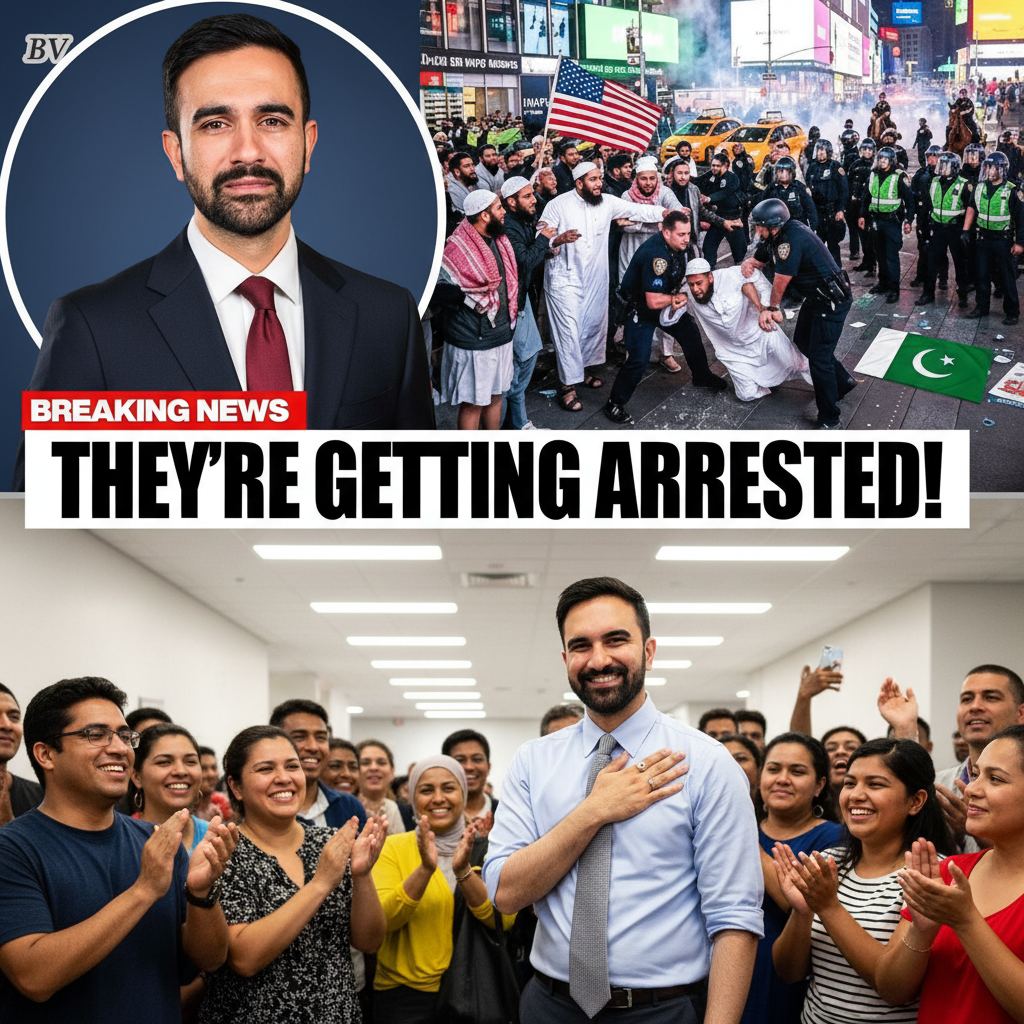
New York City, a global icon of diversity and coexistence, is currently experiencing a dynamic period of discussion as recent policy developments ignite significant conversations among its Muslim residents and city officials. This evolving dialogue, which extends beyond local neighborhoods, has captured national attention and sparked fervent reactions across digital platforms, community forums, and political arenas.
Understanding the Core of the Debate
At the center of this burgeoning conversation is New York City itself, a vibrant metropolis home to one of the largest Muslim populations in the United States. For generations, the city has served as a vital hub for Islamic institutions, cultural organizations, and a wide array of immigrant communities. However, contemporary policy discussions and political debates have fostered a climate of uncertainty for some residents.
Advocates suggest that the current situation raises profound questions regarding how major urban centers uphold religious rights, implement urban policy, and ensure robust community representation in an increasingly intricate political landscape.
Political Narratives and Digital Influence
Aspects of the discussion have also drawn focus to political figures engaged in local leadership debates. Online references have frequently included Zohran Mamdani, a public official recognized for his outspoken stance on crucial matters such as housing, social equity, and immigrant advocacy. While not the city’s mayor, Mamdani’s name has prominently featured in online discussions and viral content pertaining to policies affecting Muslim communities.
This illustrates the rapid evolution of political narratives online, where factual developments can sometimes intertwine with speculation, leading to potential misunderstandings.
Urban Governance and Community Concerns
The broader context of this debate involves ongoing deliberations surrounding urban planning, zoning regulations, and the intricate interactions between religious communities and city governance. In expansive cities like New York, religious institutions—including churches, synagogues, mosques, and temples—often navigate complex legal frameworks concerning building codes, permits, and neighborhood guidelines.
While these regulations are vital for managing urban expansion and public welfare, they can occasionally become points of contention when communities perceive their needs as inadequately addressed. Local advocacy groups representing Muslim residents have recently voiced concerns across several areas:
- Zoning approvals for religious facilities
- Community-driven development initiatives
- Public perceptions surrounding Muslim neighborhoods
Community leaders emphasize that a lack of transparent communication can easily escalate tensions, underscoring the necessity for open dialogue.
Ensuring Inclusivity in a Diverse City
For many Muslim New Yorkers, the city embodies a sanctuary where individuals from diverse backgrounds can freely observe their faith. Mosques throughout the five boroughs are not merely places of worship but also serve as essential community centers offering social support, educational programs, and assistance for immigrant families. Major religious observances, such as Eid al-Fitr and Eid al-Adha, witness thousands of worshippers gathering, celebrating the rich diversity of New York’s Muslim population.
However, alongside this cultural richness, community organizations sometimes confront practical challenges related to space, resources, and representation within local decision-making processes. Urban development pressures, including rising property values and construction projects, can transform long-established communities.
Experts in urban policy underscore the perpetual balancing act for cities like New York, which must manage housing demands, infrastructure needs, economic growth, and community relations simultaneously. When these pressures intersect with matters of religious freedom or cultural representation, discussions can become particularly sensitive.
Social media’s role in amplifying these conversations is undeniable. Viral content often presents dramatic interpretations of events, potentially blurring the lines between verified information and speculative content. Media analysts note this trend is increasingly common, where a single headline or brief video can rapidly shape public perception.
The Path Forward
As New Yorkers continue to engage in this vital discussion, the emphasis remains on fostering constructive dialogue between city officials and community organizations. Maintaining the city’s tradition of bringing together people from varied cultural and religious backgrounds requires sustained cooperation and transparency. The ongoing debate highlights the crucial importance of accurate information, open communication, and mutual respect in addressing issues that touch upon religious communities in a diverse urban environment.
Ultimately, this narrative extends beyond mere politics or policy; it speaks to New York’s enduring commitment to ensuring every community feels genuinely heard, respected, and included.