China’s Strategic Rethink: Lessons from Recent Global Events
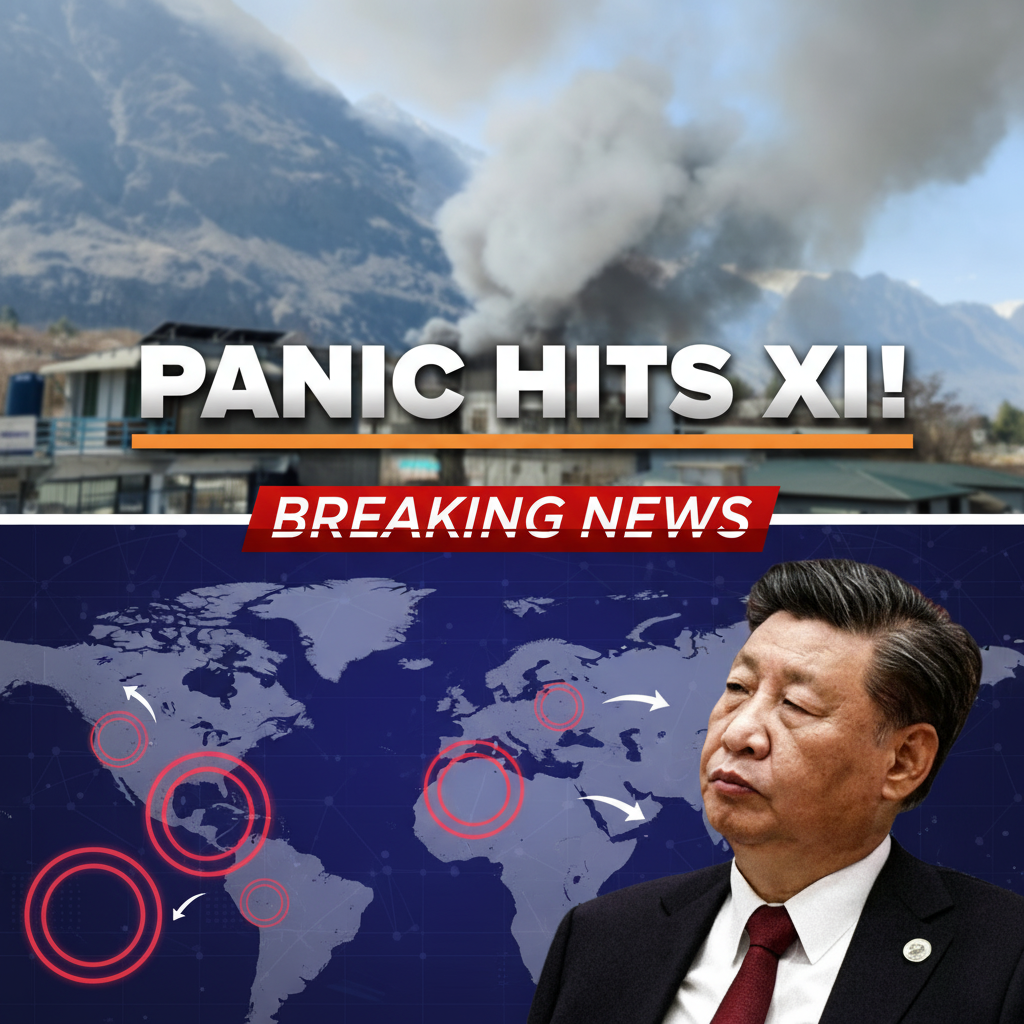
In a notable shift, President Xi Jinping is reportedly navigating a period of intense strategic re-evaluation. Recent military actions observed on the international stage have sent ripples of discussion throughout the Chinese leadership, prompting a critical assessment of national defense capabilities.
Unforeseen Realities for Beijing
As the details emerge from these targeted global operations, a significant realization is influencing Beijing: the scale and efficiency of modern military engagements compel a deep dive into China’s own defense posture. Military analysts worldwide have noted the sophisticated execution, underscoring the rapid advancements in defense technologies and tactics.
President Xi, whose perspective on international relations has long shaped China’s trajectory, must now confront the evolving implications of these displays of power. The central question for strategists revolves around national readiness for similar geopolitical challenges.
Advanced Tactics and Internal Discussions
Reports detailing the advanced strategies employed in recent operations highlight key areas such as sophisticated cyber warfare capabilities, which can neutralize defenses before physical engagement, and the use of stealth technology that allows for precision operations deep within contested territories. This level of technological integration serves as a clear indicator of potential vulnerabilities for any nation, including those with robust defense systems like China.
In the wake of these events, discussions are emerging within the Communist Party. The authority of leadership is being examined through the lens of national security preparedness. Military leaders and advisors are actively engaged in discussions regarding the nation’s readiness for unforeseen global dynamics.
Taiwan’s Role and Geopolitical Landscape
The situation around Taiwan remains a sensitive and central issue in these strategic considerations. With evolving regional tensions, President Xi is tasked with navigating a complex political landscape. The imperative to secure national interests in relation to Taiwan could influence critical decisions, potentially impacting regional stability.
These recent international actions have intensified the focus on bolstering China’s military capabilities, but the strategic emphasis extends beyond traditional might. Psychological aspects of national security are equally critical, as Xi endeavors to reassure citizens about their country’s safety amidst a complex global environment.
Strategic Initiatives and Evolving Morale
Efforts to manage public perception are escalating, with state media promoting narratives of national strength and resilience. However, reports from within military circles suggest a growing sense of contemplation among personnel. Discussions are reportedly focusing on leadership’s capacity to adapt to rapid changes in defense paradigms.
In a proactive move to demonstrate national resolve, Xi has reportedly directed a series of military exercises designed to project China’s capabilities to both domestic and international observers. The effectiveness and broader message of these displays are under close scrutiny.
As the situation unfolds, the global community observes the potential implications of current geopolitical dynamics involving major world powers. The stakes are significant, and the consequences of strategic choices could have wide-reaching effects. President Xi faces the challenge of balancing defense preparedness with the imperative of maintaining regional stability.
The aftermath of recent international military actions serves as a crucial learning point. China’s leadership recognizes the importance of accurately assessing the capabilities of other nations and adapting to rapid advancements in defense technology. Failure to adapt could lead to significant strategic disadvantages.
In conclusion, the recent global events have provided a profound strategic impetus for China’s leadership. The path forward involves careful evaluation, strategic adjustments, and navigating a complex geopolitical environment. The choices made by President Xi in the coming period will significantly shape the future trajectory of the nation and global relations.