Iran Unveils New Haj Qasem Missile: A Significant Development in Regional Security
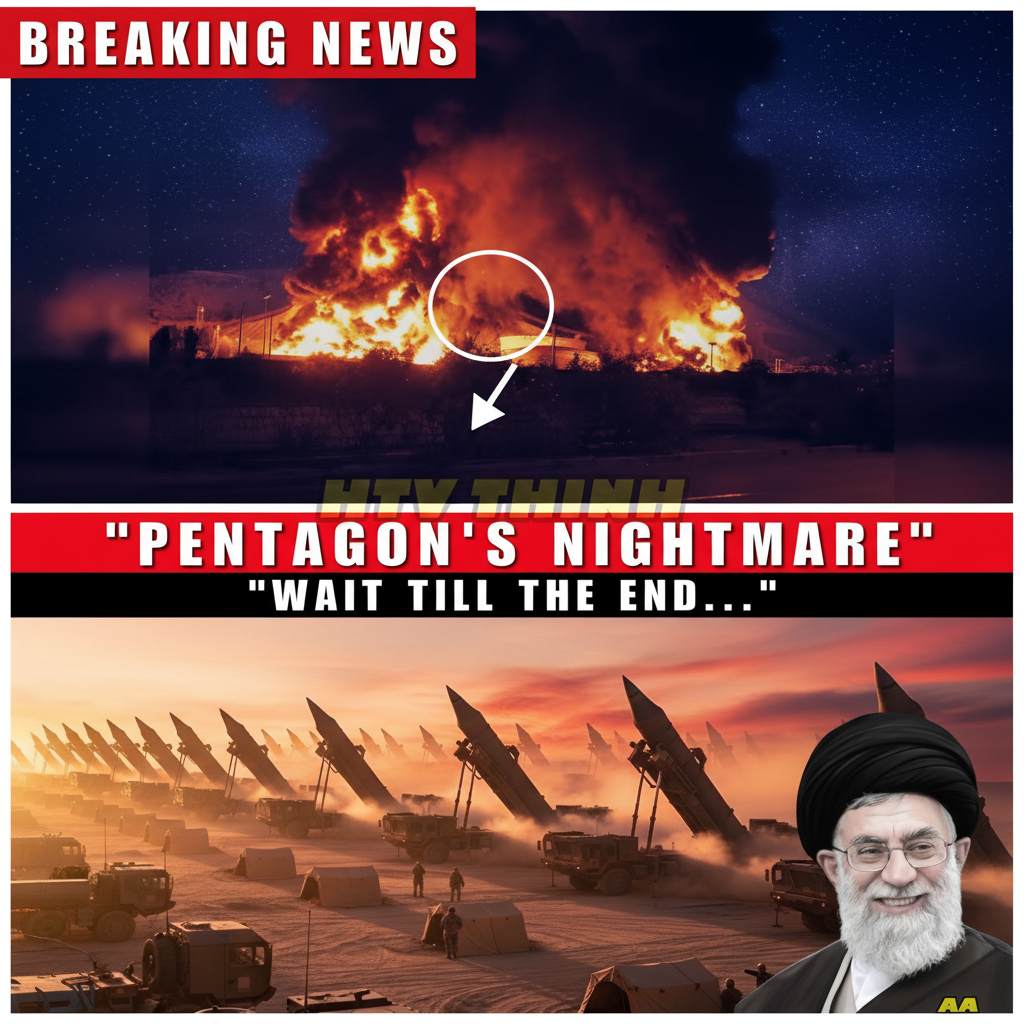
In a move that has captured the attention of defense analysts globally, Iran has officially unveiled its new Haj Qasem missile. This development is not merely an addition to Iran’s military inventory but represents a notable advancement in military technology with potential implications for the geopolitical landscape of the Middle East.
Technological Prowess and Regional Impact
Named in honor of the revered General Qasem Soleimani, the Haj Qasem missile is highlighted as a testament to Iran’s engineering capabilities. Reports suggest the missile incorporates advanced features designed to potentially challenge sophisticated defense systems. Military experts are currently assessing its specifications and the capabilities it brings to Iran’s defense posture.
Dr. Sarah Thompson, a prominent defense analyst, commented on the missile’s potential, noting that such technology could enhance its effectiveness in various scenarios. The timing of this announcement coincides with ongoing regional dynamics, underscoring Iran’s stated commitment to defending its sovereignty.
Pentagon’s Strategic Reassessment
The unveiling has prompted close scrutiny within U.S. defense circles. Intelligence assessments indicate the missile’s operational range could extend to targets within the vicinity of U.S. military installations in the Gulf region. This information has led to calls for a strategic reassessment of existing defense protocols and military postures.
Secretary of Defense Lloyd Austin has reportedly emphasized the importance of innovative solutions to address emerging defense capabilities. The situation highlights the continuous evolution of military technology and the challenges it presents to maintaining regional stability.
Global Implications and Diplomacy
The introduction of the Haj Qasem missile further intensifies discussions surrounding military development and diplomatic efforts in the region. Ambassador Linda Thomas-Greenfield, the U.S. representative to the United Nations, has reiterated the need for sustained dialogue to navigate complex security challenges.
As the international community observes these developments, the focus remains on understanding the full scope of this new technology and its long-term effects on regional and global security frameworks. The strategic implications of such advancements underscore the importance of continuous analysis and careful diplomatic engagement.