Canada Accuses U.S. of $160 Billion Economic Damage Amid Rising Trade Tensions
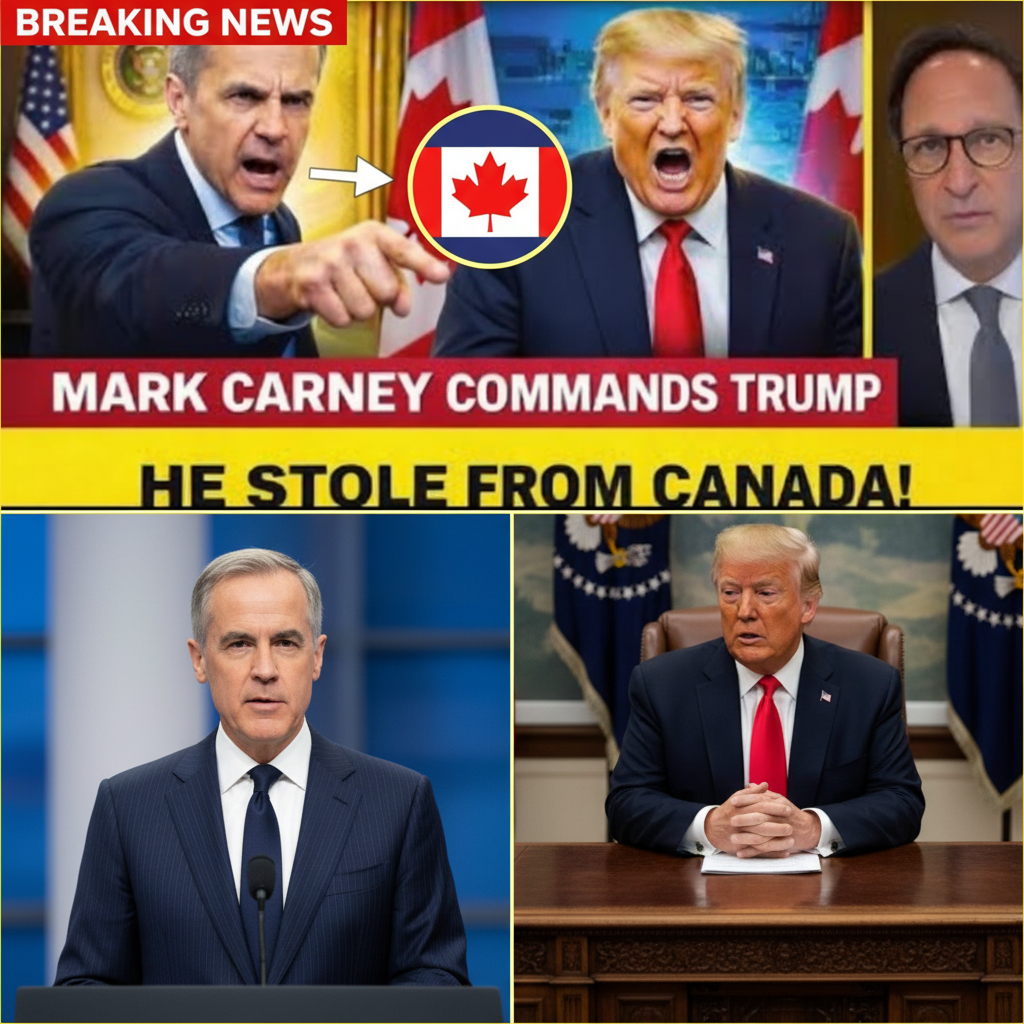
In a significant escalation of North American trade relations, Canadian Prime Minister Mark Carney has publicly accused U.S. President Donald Trump of inflicting an estimated $160 billion in economic harm on Canada. This substantial claim stems from cumulative losses attributed to disrupted supply chains and reduced exports, marking a dramatic shift in bilateral relations since President Trump’s return to office in January 2025.
As Canada navigates these considerable impacts, Carney’s strategic response signals a pivotal “pirouette” away from an overreliance on the U.S. market. This bold move raises critical questions about the future of continental commerce and its potential to reshape global alliances or intensify existing divisions.
The Genesis of the Trade Dispute
The current trade friction began shortly after President Trump’s inauguration, when he fulfilled campaign pledges by imposing 25% tariffs on Canadian steel, aluminum, automobiles, lumber, and various agricultural products. These measures, purportedly justified under national security pretexts, were seen by many as undermining the spirit of the United States-Mexico-Canada Agreement (USMCA), which had facilitated tariff-free trade among the three nations since 2020.
By March 2025, the tariffs were implemented, causing immediate disruptions across highly integrated industries, particularly in auto manufacturing, where Canadian components are crucial for U.S. assembly operations.
Carney’s Strategic Response and Retaliation
Mark Carney, a former governor of both the Bank of Canada and the Bank of England, assumed the premiership in March 2025 following Justin Trudeau’s resignation, inheriting this economic challenge. His extensive background in global finance positioned him to devise a carefully considered yet assertive counterstrategy.
Initially, Canada mirrored the U.S. actions by imposing 25% duties on select American goods, specifically targeting politically sensitive agricultural sectors in key swing states like Michigan, Wisconsin, and Ohio. However, by August 2025, Carney initiated a de-escalation by reducing certain tariffs on USMCA-compliant items, aiming to foster dialogue, even as President Trump increased rates to 35% on non-compliant Canadian exports.
The $160 Billion Impact and Diversification Strategy
The estimated $160 billion in losses reflects direct impacts on workers in Ontario and Quebec’s manufacturing hubs, alongside broader ripple effects throughout critical supply chains. Industries such as steel mills and aluminum plants, essential to both economies, faced sharp declines in orders as U.S. buyers sought alternative sources.
Carney’s “pivot” emphasizes comprehensive diversification. Canada aims to reduce its trade dependence on the U.S. from 75% to 50% within five years. Key elements of this strategy include:
- Energy Redirection: Rerouting over 95% of energy exports, traditionally sent south, to European and Asian markets.
- New Trade Agreements: Expanding market access for Canadian resources through new pacts with the European Union and enhanced ties with Indo-Pacific nations.
- Financial Independence: Promoting non-U.S. dollar settlements for government contracts and expanding Bank of Canada currency swaps to reduce vulnerability to American monetary policies.
- Infrastructure Development: Utilizing facilities like British Columbia’s LNG terminals to boost shipments to global markets, capitalizing on international energy demands.
Human Cost and Geopolitical Implications
The human element of this trade dispute is evident on both sides. American farmers in the Midwest have protested significant market losses due to Canadian countermeasures, mirroring job loss anxieties within Canada’s auto and steel sectors. This trade friction has also strained the world’s longest undefended border, affecting tourism and daily commercial exchanges.
Carney’s approach, described as analytical and data-driven, blends firmness with pragmatism. He views President Trump’s tactics as dominance plays rather than purely policy-driven. His declaration that Canada “would not be intimidated” underscores a tone of resolve without aggression.
This strategic realignment holds significant geopolitical implications. A successful diversification could inspire other U.S. allies to pursue similar strategies, potentially altering Washington’s global economic leverage. Conversely, an unsuccessful pivot could lead to Canadian economic isolation. As discussions remain gridlocked and tariffs persist, the fundamental question remains: will this strategic redirection pave the way for long-term prosperity or prolong continental conflict?
The broader global ramifications are equally compelling. With global leadership dynamics evolving, Canada’s increased engagement with Europe and Asia could foster new economic blocs. Ultimately, Carney’s call for restitution represents a pivotal moment, challenging U.S. policies while carving a path toward Canadian economic resilience. The outcome will be a crucial test of whether diplomacy can overcome division in an increasingly interconnected world.