In the heart of Quebec’s aerospace corridor, construction crews are racing against time to build what may become one of the most strategically important defense facilities in North America.
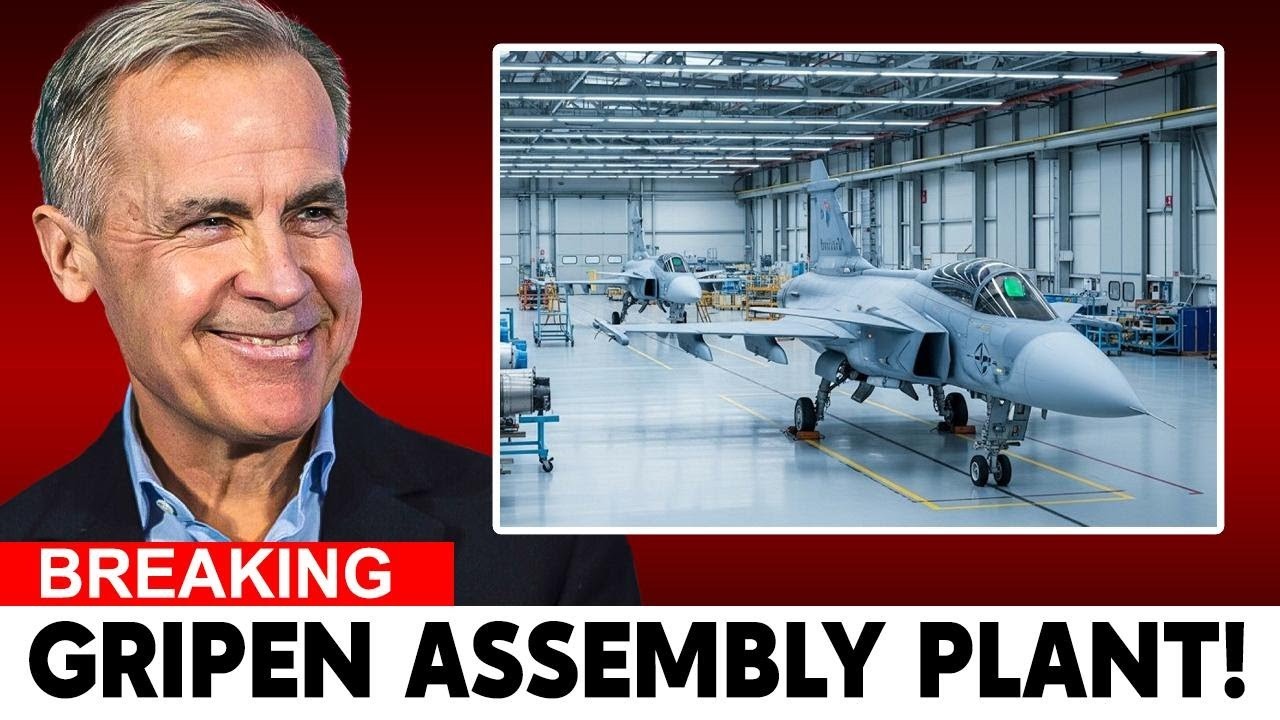
A $400 million fighter jet assembly plant is taking shape in Montreal, a project that promises hundreds of high-skilled jobs while placing Canada at the center of global military aviation manufacturing.
The facility—led by Bombardier in partnership with Sweden’s Saab AB—will produce and integrate the advanced Saab JAS 39 Gripen E fighter aircraft, a platform increasingly viewed as one of the most flexible and cost-effective combat jets in the world.
But this is not just another industrial project.
For Canada, it represents a powerful statement about economic independence, defense sovereignty, and its growing role inside the global aerospace supply chain.
A Factory Built for Fighters
The new facility will span approximately 126,000 square feet, making it larger than many major retail warehouses. But instead of store aisles, the building will contain specialized production lines designed to transform individual aircraft components into fully operational fighter jets.
Inside, towering assembly bays will allow technicians to work vertically on fuselages and wings. Climate-controlled zones will protect delicate composite materials, while dedicated avionics rooms will integrate advanced electronics, sensors, and mission systems.
Test cells inside the complex will verify every critical subsystem before an aircraft ever leaves the production floor.
By the time a Gripen rolls out of the building, it will be a fully integrated combat aircraft ready for delivery.
Hundreds of Jobs—And Thousands More
Officials describe the project as creating “hundreds” of direct jobs, but the real economic impact could be far larger.
Fighter jet production requires an enormous network of specialized workers: aerospace technicians, avionics engineers, quality inspectors, systems specialists, and software experts.
If the plant employs roughly 500 workers directly, economists estimate the wider supply chain could generate as many as 1,500 additional jobs.
Steel suppliers, electronics manufacturers, logistics companies, and engineering firms will all benefit from the ripple effects of fighter jet production.
For Montreal, the timing could not be better.
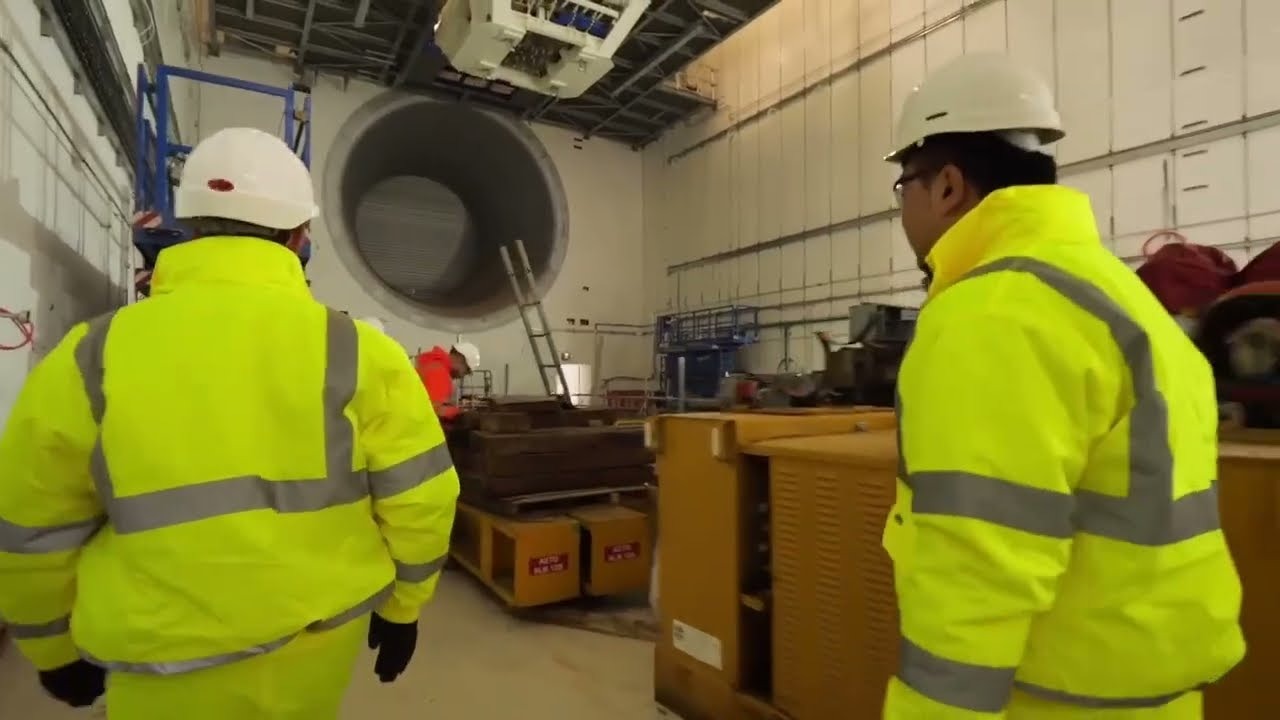
The city already hosts one of the largest aerospace clusters in the world, with companies such as Pratt & Whitney Canada, CAE Inc., and Bell Textron operating major facilities nearby.
Adding fighter aircraft assembly to this ecosystem strengthens Montreal’s reputation as a global aviation powerhouse.
A Strategic Supply Chain
One of the most intriguing aspects of the project lies in its tightly integrated production network.
The engines powering the Gripen—developed by Rolls-Royce Holdings—are also expected to be produced in Montreal.
That means aircraft airframes and propulsion systems could be manufactured within the same metropolitan area.
In aerospace manufacturing, that proximity matters enormously.
Instead of shipping engines across continents, they can be delivered across town. Engineers can collaborate face-to-face. Quality checks can be coordinated instantly.
This dramatically shortens production timelines and reduces logistical risks.
The facility is expected to produce 20 to 30 aircraft per year, with room for expansion if global demand increases.
A Timeline Moving Fast

Construction is already underway.
Groundbreaking began in 2026, with structural work continuing through the following year. Equipment installation will overlap with the final stages of construction, allowing worker training and certification programs to begin in 2027.
If the schedule holds, the first Canadian-assembled Gripen fighters could roll off the line by 2028.
For the aerospace industry, that is an exceptionally fast ramp-up.
The accelerated timeline reflects the partnership model behind the project: Saab provides engineering blueprints and manufacturing standards while Bombardier executes the production locally.
The goal is simple—aircraft built in Montreal must match the quality and performance of those produced in Sweden.
Politics, Sovereignty, and Strategy
The project also carries powerful political symbolism.

Quebec’s government, led by François Legault, has emphasized high-tech industrial growth as a cornerstone of the province’s economic strategy.
A fighter jet factory delivering long-term aerospace jobs fits perfectly within that vision.
On the national level, the facility strengthens Canada’s ability to produce advanced defense equipment on its own soil.
Rather than relying entirely on foreign manufacturing, Canada gains a domestic production capability that could serve both national defense needs and potential export markets.
Countries evaluating the Gripen—including several European and Eastern European states—may eventually source aircraft assembled in Canada.
The Bigger Picture
Beyond jobs and politics, the Montreal factory signals a larger transformation in global defense manufacturing.
For decades, fighter aircraft production has been concentrated in only a handful of countries. But partnerships like the one between Bombardier and Saab AB are beginning to change that equation.

If the facility reaches full capacity, Montreal could become one of the few places in the Western hemisphere capable of assembling advanced fighter jets from start to finish.
And once the infrastructure, workforce, and expertise are established, the knowledge doesn’t disappear.
It becomes the foundation for future aircraft programs, upgrades, and defense technologies.
In other words, this $400 million project may be doing far more than building a factory.
It may be building Canada’s next generation of aerospace power.