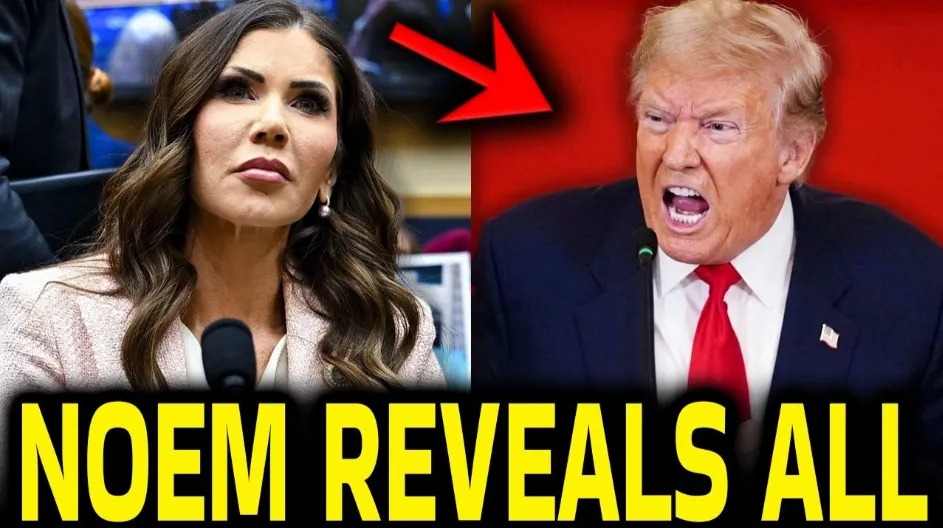
A new political controversy is unfolding in Washington after former Homeland Security Secretary Kristi Noem publicly pushed back against the circumstances surrounding her abrupt dismissal by President Donald Trump. What initially appeared to be a routine personnel change has rapidly evolved into a tense political dispute, exposing deep divisions within the administration and raising new questions about accountability, loyalty, and power inside Trump’s inner circle.
Noem’s removal followed a series of escalating controversies during her tenure at the Department of Homeland Security (DHS). The White House reportedly cited several factors that led to the decision: her handling of a deadly enforcement operation in Minnesota, scrutiny surrounding a massive government-funded advertising campaign, and mounting political pressure tied to personal allegations involving longtime political adviser Corey Lewandowski.
The Minnesota incident became one of the earliest sparks of controversy. During a federal immigration enforcement operation in Minneapolis, two U.S. citizens were killed in confrontations with federal agents. The incident triggered immediate backlash from lawmakers and civil rights advocates, while critics accused DHS leadership of mishandling both the operation and the public response that followed.
However, the issue that ultimately created the biggest political storm was a $200–220 million advertising campaign launched by DHS. The campaign, designed to warn migrants against entering the United States illegally, prominently featured Noem herself in dramatic promotional videos. Some ads even showed her on horseback near Mount Rushmore delivering tough messages about border security.
Lawmakers quickly began questioning the campaign’s cost, its contracting process, and whether taxpayer funds were being used to promote a government official’s personal brand. The controversy intensified when Noem told members of Congress that President Trump had been aware of the advertising effort in advance. Trump later denied having any knowledge of the campaign, creating a direct contradiction between the two leaders.
That disagreement appears to have become a major breaking point. According to officials familiar with the situation, Trump was angered by the suggestion that he had approved the ad spending, especially as criticism from both Democrats and some Republicans continued to grow.
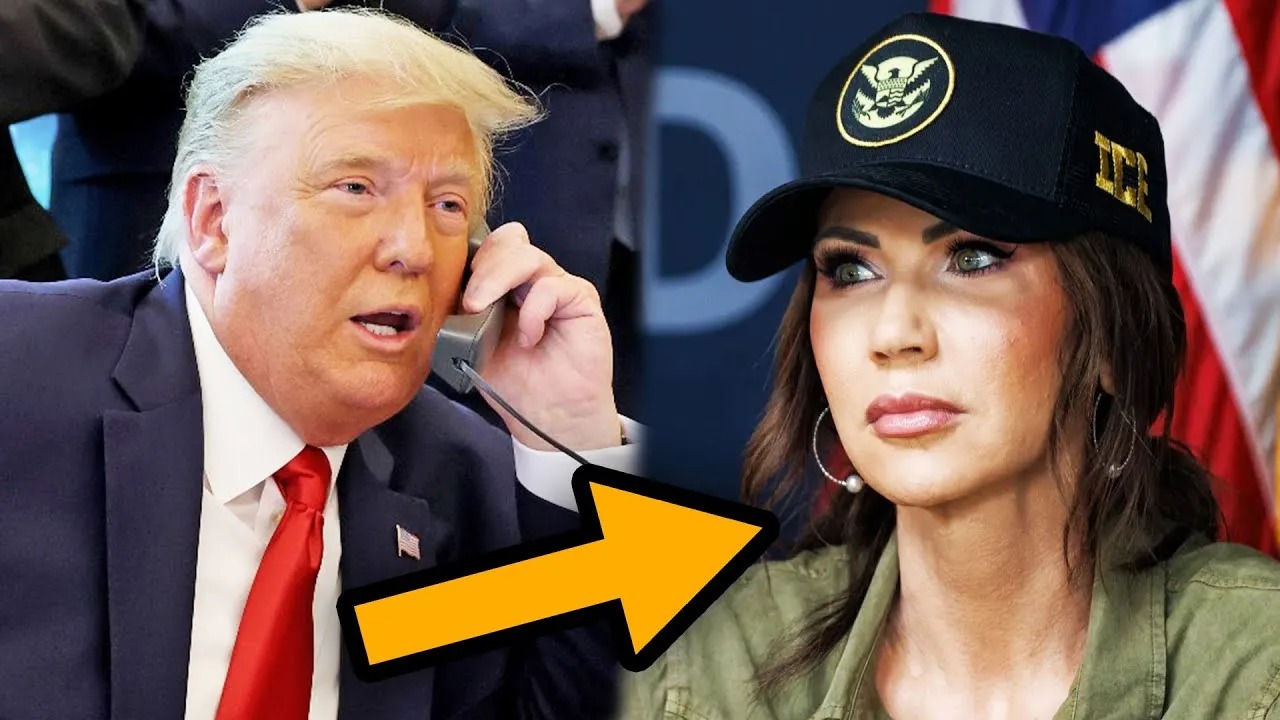
Meanwhile, another layer of controversy emerged during congressional hearings when lawmakers questioned Noem about alleged personal ties to Corey Lewandowski, who had served as an influential adviser within DHS. Noem declined to directly answer questions about the rumors, dismissing them as “tabloid garbage,” but the exchange further fueled political drama surrounding the department’s leadership.
Following her dismissal, Noem and allies have suggested she was made a “scapegoat” for broader problems within the administration’s immigration strategy. Some sources close to her have argued that the White House had been aware of — and even involved in — the advertising campaign that later became the centerpiece of the controversy.
Despite the firing, Noem has not completely disappeared from the administration. She was quickly appointed to a new role as special envoy for a security initiative known as the “Shield of the Americas,” though the position carries significantly less authority than leading DHS.
Inside Washington, the fallout from the dispute continues to ripple through political circles. Trump has nominated Senator Markwayne Mullin to replace Noem at DHS, signaling an effort to stabilize the department after months of controversy and internal conflict.
Yet the deeper story may be the widening cracks within Trump’s political coalition. The public disagreement between a former cabinet member and the president highlights how fragile alliances inside the administration can become when policy disputes, media scrutiny, and personal controversies collide.
As the political battle unfolds, one thing is clear: what began as a cabinet shake-up has turned into a broader power struggle that could reshape relationships inside the MAGA movement — and influence the direction of the administration in the months ahead.