What looked like a routine fighter rotation in Iceland was actually a quiet NATO milestone with huge strategic meaning.
Because when six Swedish Gripens landed at Keflavík, Sweden wasn’t just showing up — it was stepping into alliance leadership for the first time in one of NATO’s most sensitive air-policing missions.
Sweden’s Gripens Take the Lead in Iceland, Marking a Quiet but Powerful NATO Shift
A cold-air deployment to Iceland would not normally dominate headlines. Fighter rotations happen, crews change over, alert duties continue, and the alliance machine keeps moving. But in early February 2026, something far more significant unfolded at Keflavík Air Base.
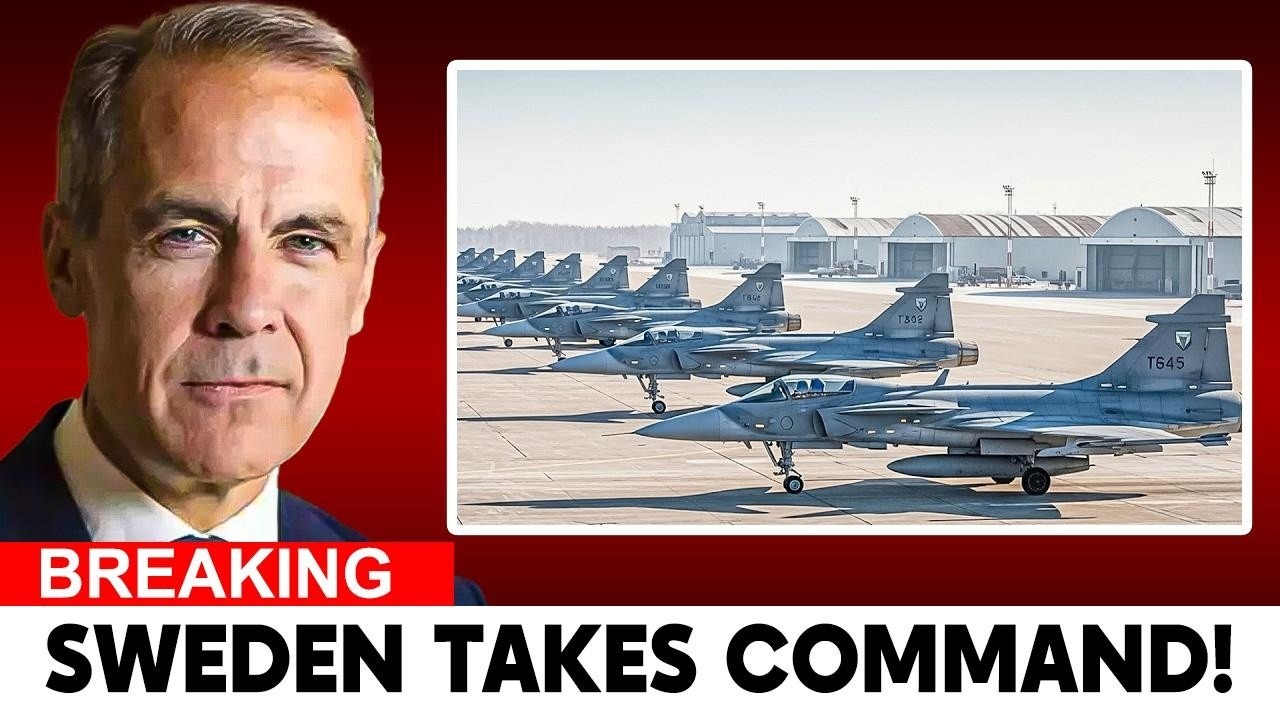
Six Swedish JAS 39 Gripen fighters arrived in Iceland to take over NATO’s air-policing mission there — the first time Sweden has led Icelandic air policing since joining NATO in March 2024. NATO says the rotation runs from early February to mid-March 2026, and Swedish authorities said the detachment includes six aircraft and more than 100 personnel.
That may sound procedural. It is not.
This is one of those moments that reveals how fast Europe’s security map is being rewritten.
For more than 200 years, Sweden built its identity around military non-alignment. It stayed outside formal alliances through two world wars and the entire Cold War. Then Russia’s full-scale invasion of Ukraine shattered old assumptions across northern Europe. Sweden entered NATO in 2024, and now, less than two years later, Swedish pilots are sitting on quick-reaction alert in Iceland under NATO command structures.
That matters because Iceland is no symbolic outpost. It has no standing air force of its own, yet it sits in one of NATO’s most strategically exposed locations — the North Atlantic corridor between North America and Europe. NATO has periodically deployed allied fighters to Iceland since 2008 to provide airborne surveillance and interception capability for the country’s peacetime preparedness needs.
In plain terms: when unidentified or approaching military aircraft come near alliance airspace, somebody has to launch. Now, for this rotation, that somebody is Sweden.
The Swedish Gripen is also central to why this deployment is drawing so much attention. The aircraft was built for austere operations, rapid turnaround, and national survival under pressure. It is lighter and generally cheaper to operate than heavier frontline fighters, but it still brings modern radar, data-link capability, and credible multirole performance. For an air-policing mission over the North Atlantic — where readiness, reliability, and endurance matter every day — that combination is politically and operationally powerful. The message is unmistakable: NATO’s deterrence posture is not built on one jet, one country, or one supplier alone.
There is also a larger alliance story here.
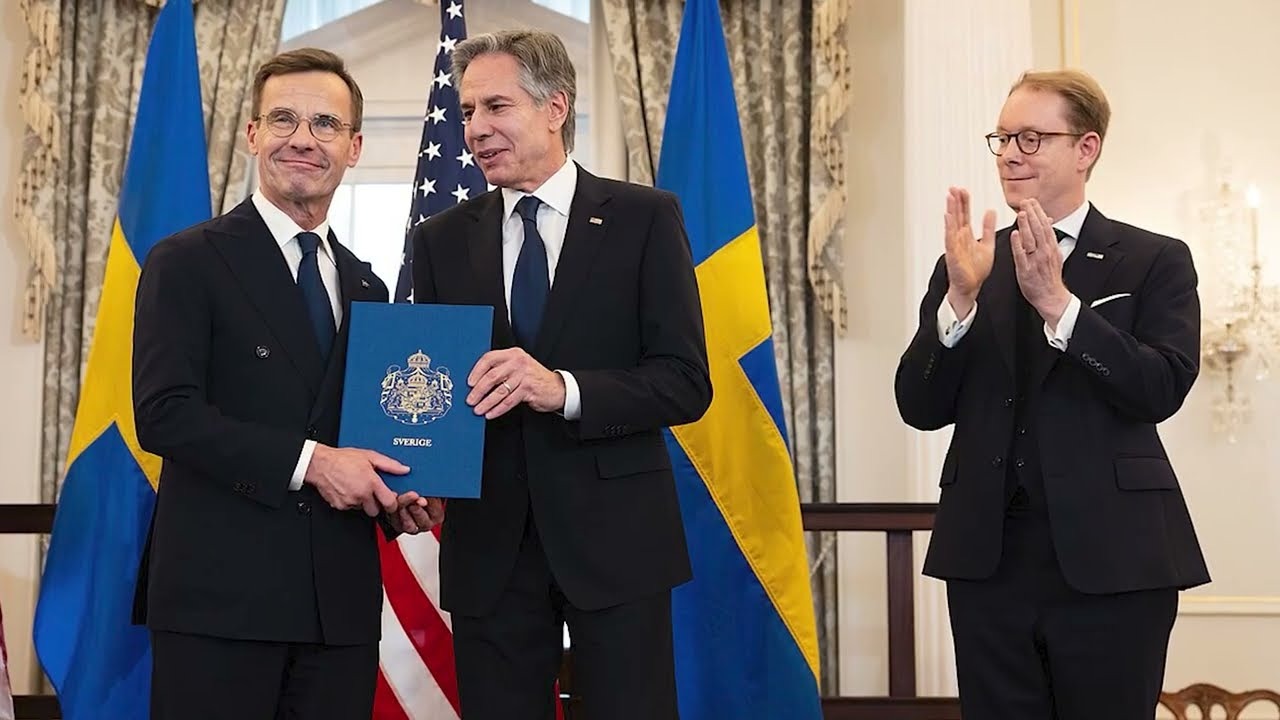
Sweden is not merely “participating.” It is proving it can absorb NATO procedures, operate inside allied command systems, and shoulder real responsibility on the northern flank. That eases pressure on other members, because every rotation Sweden covers is one fewer burden for Belgian, American, British, or German aircraft elsewhere. NATO’s air-policing network stretches across multiple regions, from the Baltics to the Black Sea to the North Atlantic. Burden-sharing is not a slogan. It is how the alliance stays credible.
The timing is hard to ignore. Russian long-range aviation and military activity in the High North remain a persistent concern, and Iceland’s geography still gives it outsized strategic value. In that environment, Swedish Gripens on alert are more than a routine deployment. They are a signal that the entire Nordic region is now operating inside a far more integrated NATO security framework than at any time in modern history.
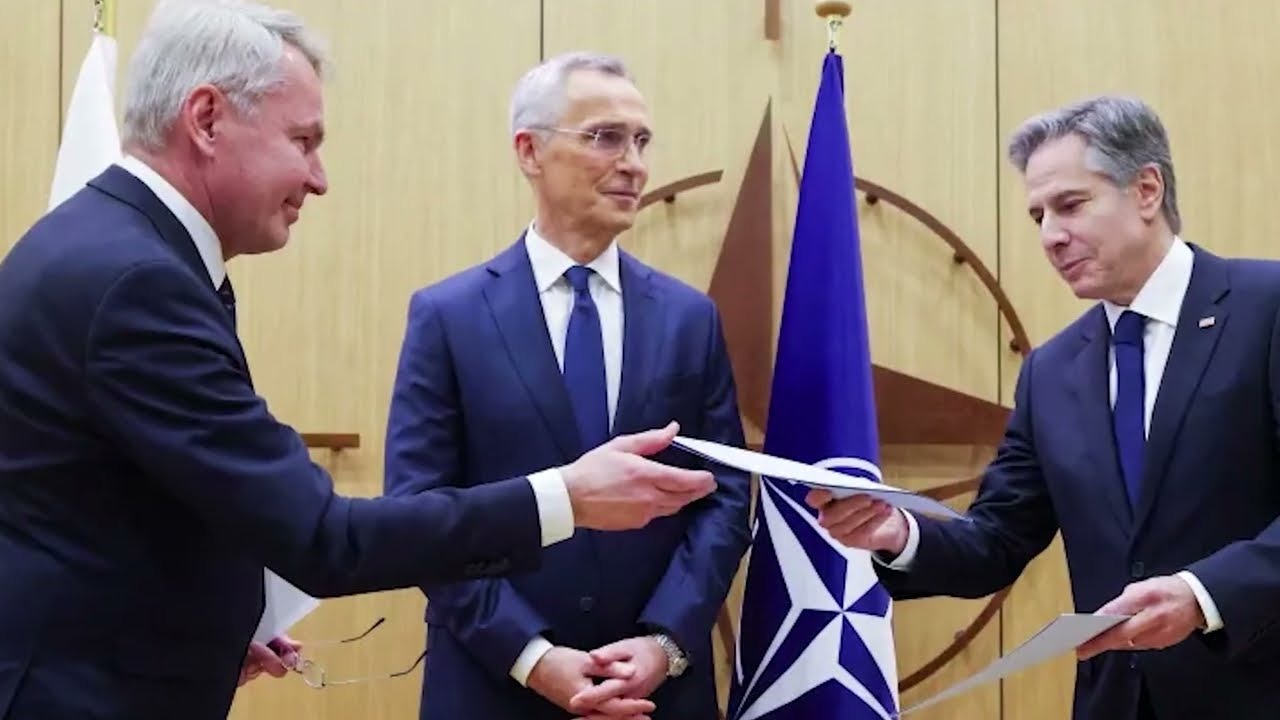
There is one important correction, though: this is not accurately described as the “first non-U.S. jet to command NATO.” NATO air-policing missions have long been led by a variety of allied air forces, including European ones. The real milestone is that Sweden, as NATO’s newest northern ally, is leading Icelandic air policing for the first time with its domestically built Gripens.
And that is dramatic enough on its own.

Because in NATO, the biggest shifts do not always arrive with a summit speech. Sometimes they arrive in freezing wind, on a runway in Iceland, with six fighters touching down and a former neutral nation quietly taking its place at the front of the alliance.