A new legal storm is building around Donald Trump after prosecutors revealed the existence of a secret audio recording that could dramatically impact the ongoing classified documents investigation. According to court filings, the recording was allegedly captured at Mar-a-Lago in December 2023 and may contain direct instructions given by Trump to a witness connected to the case.
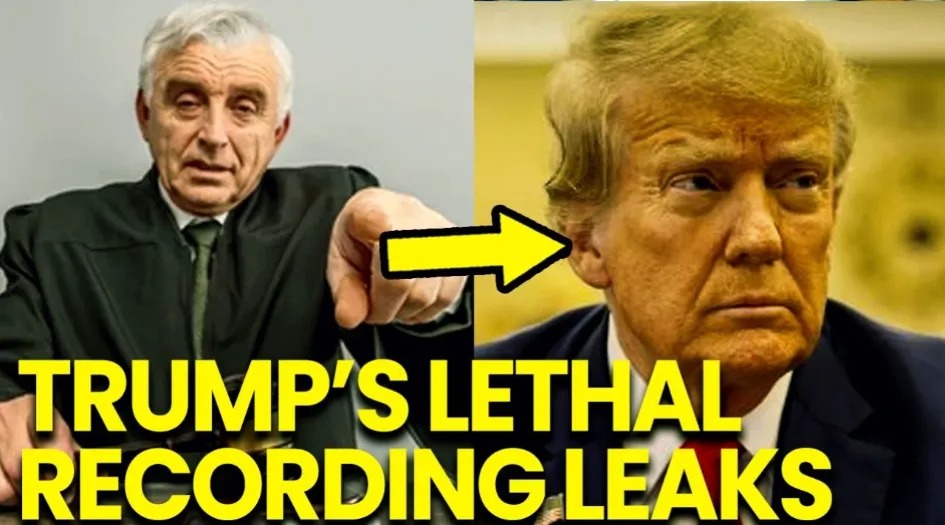
Federal prosecutors say the tape could represent some of the most significant evidence yet uncovered in the investigation. The recording reportedly captures a conversation in which Trump allegedly advises a witness on how to respond if questioned by investigators about sensitive government documents that remained at Mar-a-Lago after his presidency ended.
According to the prosecution’s description, Trump allegedly instructed the witness to deny certain conversations, claim they could not remember specific details, and avoid discussing the matter with their own legal counsel. If these claims are confirmed, legal experts say the recording could potentially support charges related to obstruction of justice and witness tampering—serious federal crimes that can carry penalties of up to 20 years in prison.
What makes the recording particularly important, prosecutors argue, is that it may contain Trump’s own voice giving the instructions. In many criminal cases, prosecutors must rely on testimony from witnesses or indirect evidence to prove intent. A recording, however, could provide jurors with direct insight into what was said and how it was said.
Sources familiar with the investigation claim forensic audio specialists have already analyzed the tape. According to prosecutors, those experts determined that the voice on the recording is highly consistent with Trump’s known speech patterns. Investigators reportedly compared the audio to numerous public speeches, interviews, and prior recordings to verify the match.
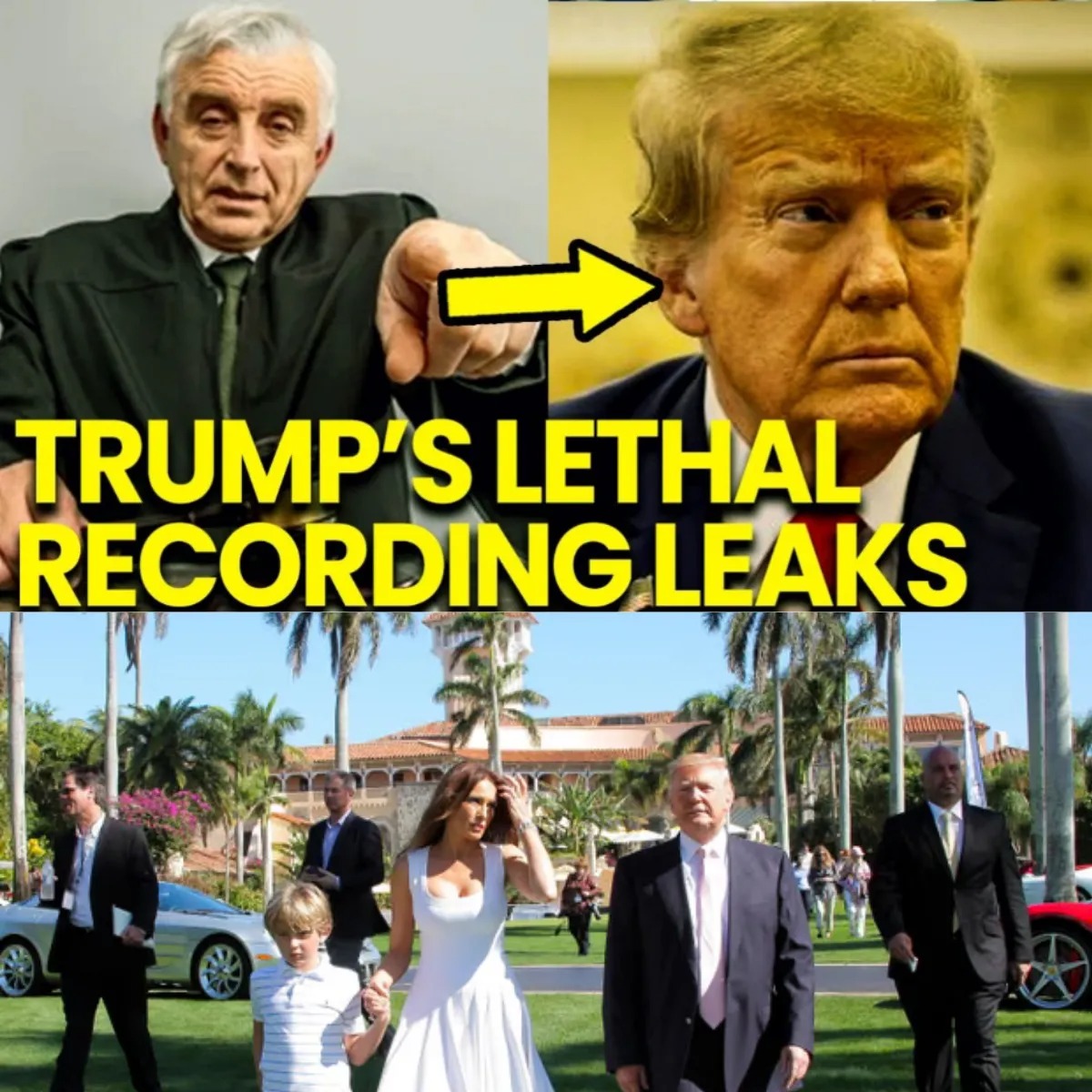
The tape has also reportedly been reviewed privately by the federal judge overseeing the case as part of preliminary evidentiary proceedings. If the judge ultimately allows the recording to be presented during trial, it could become a pivotal moment in the courtroom.
Trump, however, has forcefully denied the allegations. The former president insists the recording is either fake or manipulated and has accused investigators of conducting what he describes as a politically motivated prosecution. In statements responding to the reports, Trump argued that the case represents another attempt by his opponents to damage him ahead of future elections.
His legal team has also indicated they will challenge the authenticity of the recording if it appears in court. Defense attorneys are expected to request independent forensic analysis and argue that the audio could have been edited, misinterpreted, or taken out of context.
Legal analysts say the battle over the recording could become one of the most dramatic moments of the trial. In cases involving obstruction or witness tampering, direct evidence such as audio recordings can carry enormous weight with juries. Hearing a defendant’s voice giving instructions—if proven authentic—can make the allegations far more tangible than written testimony alone.
At the same time, the emergence of the recording is intensifying political debate across the country. Supporters of Trump claim the investigation is part of a broader effort to prevent him from returning to power, while critics argue the case reflects serious concerns about the handling of classified government materials.
For now, the authenticity and admissibility of the Mar-a-Lago recording remain key questions that the court will ultimately decide. But one thing is already clear: if the tape is confirmed and played before a jury, it could become one of the most explosive pieces of evidence in the entire investigation involving Donald Trump—a moment that may shape both the courtroom battle and the political landscape in the months ahead.