A series of legal developments involving former U.S. President Donald Trump and former First Lady Melania Trump has drawn renewed public attention to several ongoing investigations and court proceedings. Analysts say the situation highlights the complex intersection of politics, legal accountability, and constitutional procedures in the United States.
The developments come amid continued scrutiny over election-related actions, financial matters, and document handling cases that have been under investigation in recent years.
Recorded Call With Georgia Official Remains a Key Focus
One issue that continues to generate discussion is the recorded phone call between Trump and Brad Raffensperger, the Secretary of State for Georgia. During the call, Trump urged officials to reexamine the state’s vote totals following the 2020 presidential election.
Veteran investigative journalist Carl Bernstein described the call as highly unusual in modern U.S. political history. According to Bernstein, the conversation raised concerns among legal scholars and national security observers about the boundaries between political advocacy and official election procedures.
Several former defense officials also publicly emphasized that the U.S. military should never become involved in election disputes, underscoring the importance of maintaining clear separation between democratic processes and military authority.
Legal experts note that recordings and official transcripts have played an important role in evaluating the legal and constitutional implications of the conversation.
Court Orders Expand Testimony Requirements
At the same time, separate legal proceedings have reportedly raised questions about whether Melania Trump may be required to provide sworn testimony in certain cases connected to her husband’s legal matters. Courts sometimes compel testimony from individuals who may possess relevant information about financial records, business activities, or communications related to ongoing investigations.
Judges reviewing the situation have considered whether spousal privilege applies in these circumstances. Under U.S. law, spousal privilege can limit certain testimony between married partners, but the protection is not absolute. Courts may require testimony when the information is considered essential to a legal proceeding.
Legal observers say decisions about privilege typically depend on the specific facts of a case, including whether communications were confidential and whether the information relates directly to alleged misconduct.
Investigations Involving Documents and Financial Records
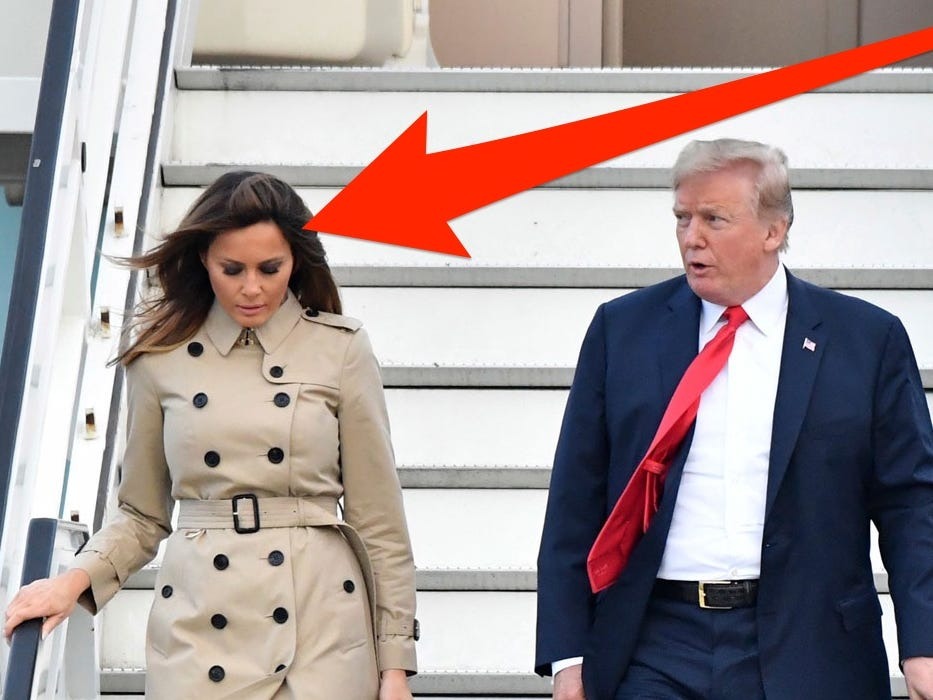
The legal matters surrounding Trump also include investigations connected to documents stored at Mar-a-Lago and broader questions about financial practices connected to various business activities.
Authorities have examined how sensitive materials were handled and whether any regulations governing classified information or government records were violated. These cases have involved document reviews, witness testimony, and extensive legal arguments about executive authority and record-keeping obligations.
Separately, discussions have resurfaced regarding past associations involving financier Jeffrey Epstein. Newly discussed documents and communications referenced in public commentary have led some investigators and analysts to revisit earlier questions about relationships among several high-profile individuals.
However, legal experts caution that the existence of documents or communications does not necessarily prove wrongdoing and must be evaluated through formal legal procedures.
Potential Impact of Future Testimony
If Melania Trump were required to testify under oath in any of the proceedings, legal specialists say her statements could become an important element in understanding the timeline of events and communications within the Trump family and business network.
At the same time, experts emphasize that witnesses in court are legally required to provide truthful testimony. Providing inaccurate information under oath could carry serious legal consequences, while truthful testimony can clarify facts and strengthen the judicial process.
Ongoing Legal and Political Attention
The combination of election-related investigations, document cases, and financial inquiries has ensured that Trump’s legal situation remains a major topic of national attention. Supporters argue that many of the investigations are politically motivated, while critics say the legal process is necessary to examine potential violations of law.
As courts continue to evaluate evidence and testimony, the outcome of these proceedings may shape not only Trump’s legal strategy but also broader debates about accountability and governance in American politics.
For now, judges, investigators, and legal experts remain focused on determining the facts through established judicial procedures.