A major international energy agreement, heralded by Ottawa as a historic step toward Canadian energy independence, has instead exposed a deep and critical reliance on American infrastructure, sparking a fierce political and diplomatic backlash. Prime Minister Mark Carney’s announcement of an eight-year liquefied natural gas supply deal with Germany’s Uniper, worth 234 billion cubic feet, has backfired spectacularly, revealing the deal’s fundamental dependency on U.S. export systems and drawing accusations of freeloading from Washington.
The celebratory optics in Berlin, featuring handshakes and talk of a new critical minerals partnership, were swiftly undermined by a stark logistical reality. Canada possesses no direct pipeline or LNG export terminal capable of shipping gas to Europe. Every cubic foot of the promised Canadian supply must first travel through the ANR Southeast Hub in Louisiana, then utilize American pipelines and multi-billion dollar liquefaction terminals on the Gulf Coast before crossing the Atlantic.
This reliance transformed the narrative from one of Canadian triumph to one of piggybacking on U.S. investment. U.S. energy lobbyists and lawmakers reacted with fury, accusing Ottawa of claiming credit for infrastructure built with American capital and political risk. The perception in Washington is that Canada gate-crashed a U.S.-Europe energy conversation, leveraging American assets to bolster its own geopolitical standing while offering little in return.
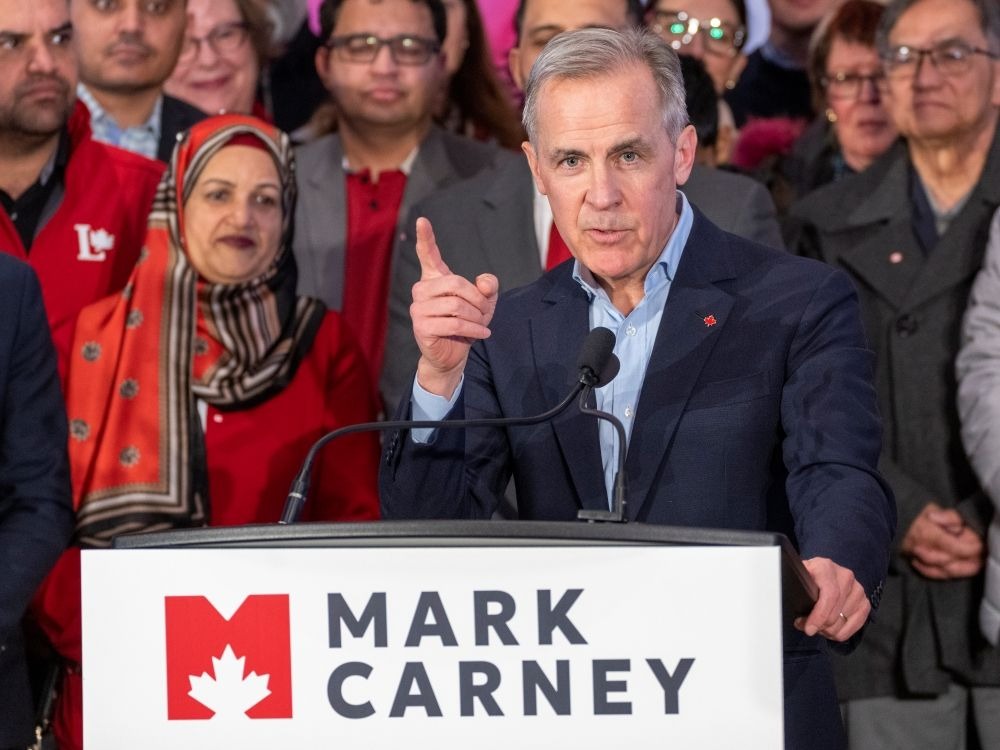
The deal’s fragility was laid bare during a joint press conference with German Chancellor Olaf Scholz. A German journalist directly challenged Carney, asking what Canada could realistically deliver given the non-existent ports and pipelines on its own East Coast. The Prime Minister’s response pointed to “medium-term opportunities” and half-a-trillion dollars in promised future infrastructure, an answer widely interpreted as an admission that Canada has no tangible capacity to fulfill its commitments today.
That moment of public exposure resonated globally, undermining Carney’s carefully crafted image as a world-class economic statesman. Instead of showcasing strength, the exchange highlighted a pattern of grand announcements untethered from delivery, reminiscent of previous Canadian governments’ struggles to advance energy exports. The German press, less accommodating than Ottawa’s domestic media, did not soften the blow. Domestic political fallout was immediate and severe. The opposition Conservatives condemned the tour as a reckless headline-chasing mission that endangered the vital U.S. alliance. Even typically supportive voices, like the NDP, criticized the government for overpromising and underdelivering, noting the glaring absence of concrete infrastructure to support the deal.
Financial analysts injected further skepticism, warning that tying Canadian gas to Europe’s volatile TTF benchmark price carries significant risk. A deeper concern emerged in their reports: the contract’s entire profitability hinges on the continued goodwill and operational stability of the United States, a precarious foundation for a long-term energy strategy.
In a bid to salvage the trip’s narrative, Carney pivoted to defense, touring German submarine shipyards and highlighting a pending Canadian submarine procurement. While framed as proof of a broader NATO partnership, the optics risked reinforcing the theme of dependency—casting Canada as a client state seeking hardware and recognition rather than an equal strategic leader.
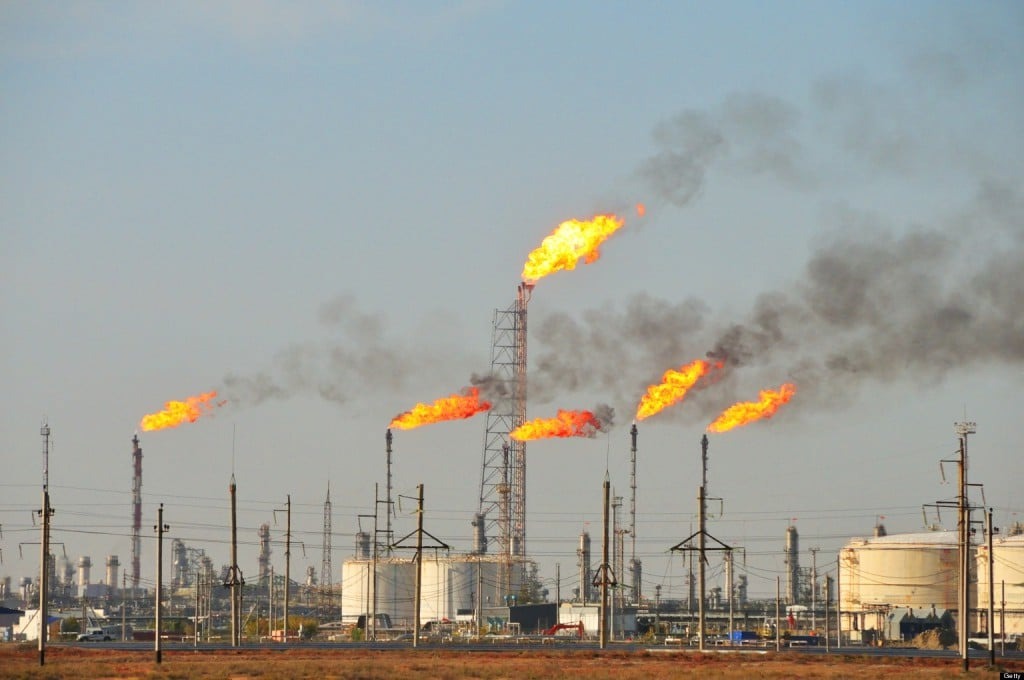
The European tour, intended as Canada’s coming-of-age moment on the world stage, has achieved the opposite. It demonstrated that the nation’s aspirations for energy independence and global influence remain constrained by its reliance on American infrastructure and NATO allies’ military hardware. The episode has left Ottawa branded as a freeloader in Washington, a purveyor of unstable promises in Berlin, and its leader facing serious questions about judgment at home.
The lasting damage is to perception. Carney sought to project an image of proactive, visionary leadership but instead showcased a reactive pattern of ambitious announcements that crumble under scrutiny. Leadership is ultimately defined by capacity and deliverable promises, not staged photo-ops and contracts reliant on another nation’s infrastructure. This venture has chipped away at the Prime Minister’s credibility and reminded all observers that for Canada, the path to global relevance still runs directly through its southern neighbor.