Trump SHUT OUT by Church Leaders After Explosive Rhetoric — Religious Backlash Sparks Moral and Political Firestorm
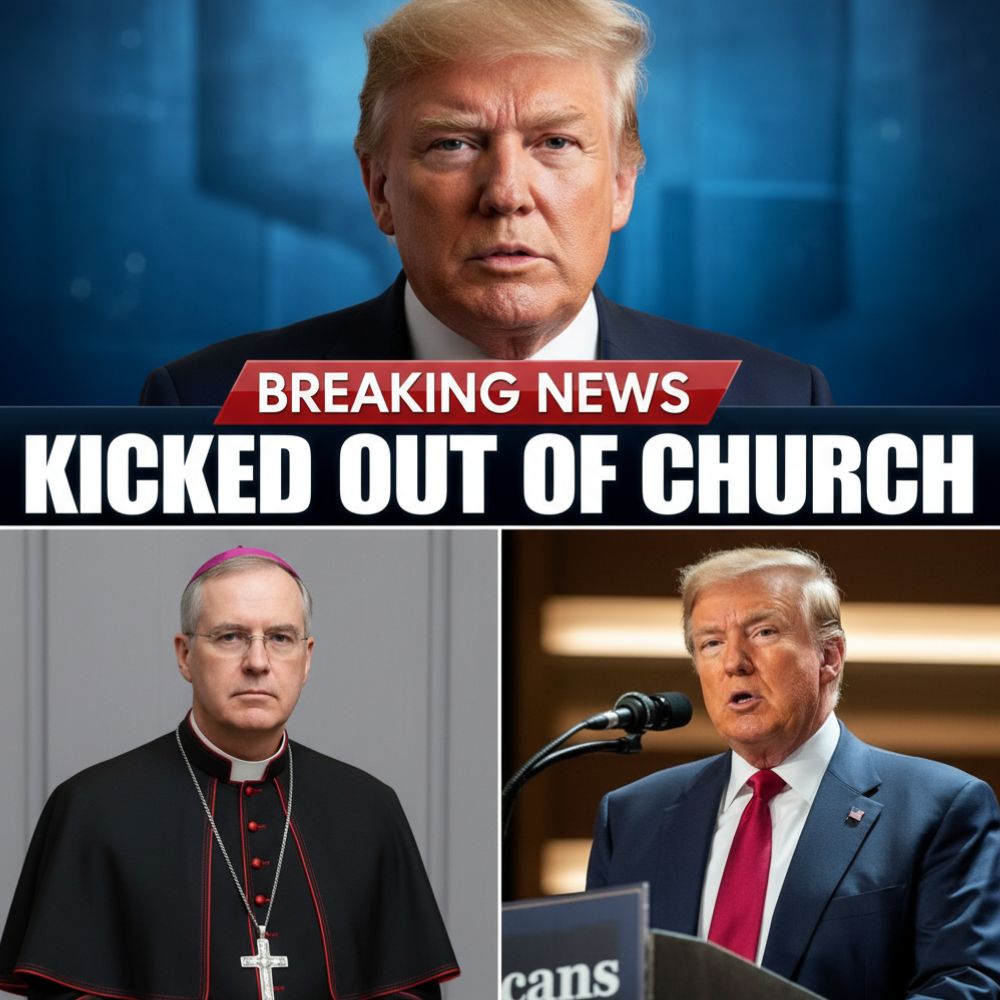
A growing religious backlash has erupted after Donald Trump faced sharp condemnation from Christian leaders over rhetoric they described as dehumanizing, divisive, and fundamentally incompatible with core faith teachings. What began as criticism over immigration language and threats toward migrants has now escalated into a broader moral reckoning, with clergy warning that Trump’s words have crossed a line that churches cannot ignore .
Catholic leaders were among the most vocal. Senior bishops issued rare, forceful statements opposing mass deportations and condemning what they called a climate of fear spreading through migrant communities. Clergy reported anxiety in parishes nationwide, with some dioceses even granting dispensations for worshippers afraid of arrest. The message from church leadership was unmistakable: enforcement policies cannot justify rhetoric that strips people of dignity.
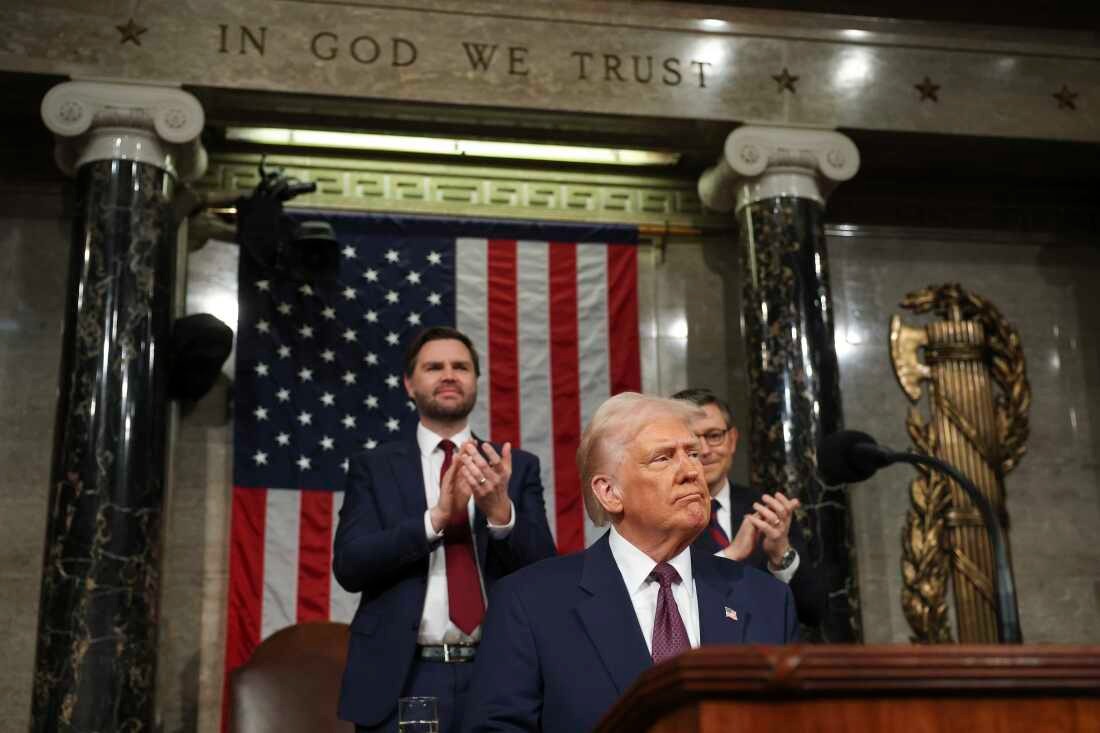
The conflict deepened as Trump’s allies pushed back, accusing churches of political bias and questioning their motives. That response only intensified criticism from faith leaders, who stressed that defending human dignity is not partisan, but foundational. Several pastors emphasized that Christian teaching rejects the idea that “the end justifies the means,” insisting that moral conduct cannot be sacrificed for political outcomes.
Protestant leaders also joined the chorus. Public theologians and ministers argued that Trump’s language reflects a form of power-driven ideology rather than Christian ethics. They warned that blending nationalism, grievance, and faith risks transforming religion into a tool of domination instead of compassion. For many clergy, the concern was not just Trump’s words, but the example they set for younger believers.
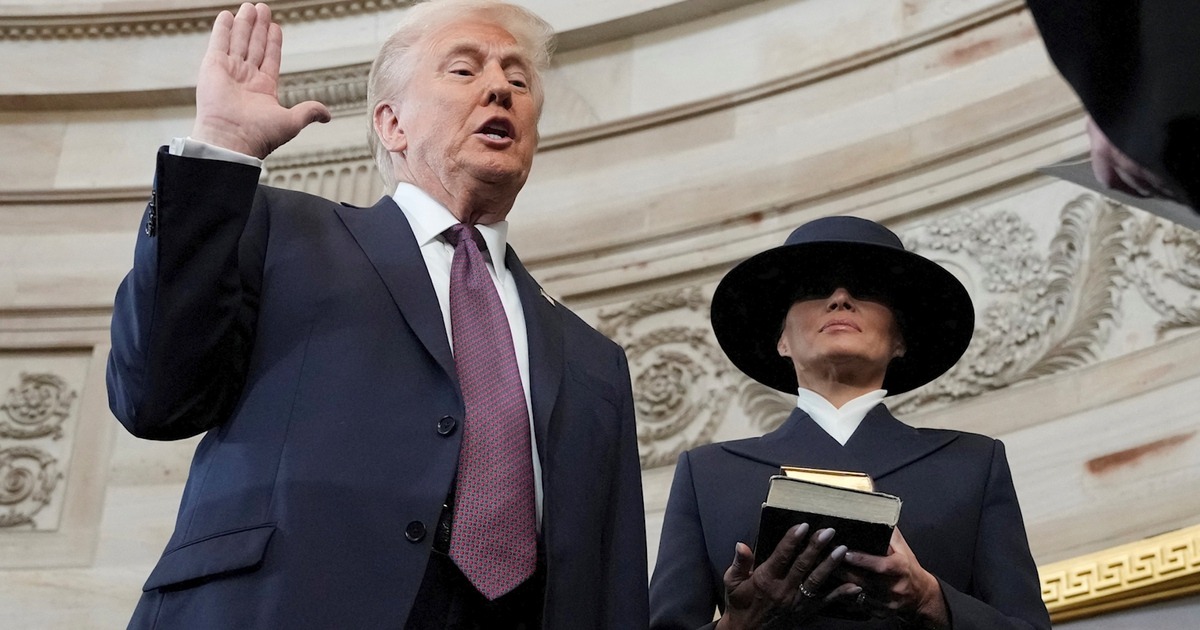
The backlash exposed a widening divide within American Christianity. While some conservative Christians continue to support Trump for political reasons, others say the gap between his behavior and Christian values has become impossible to reconcile. Faith leaders described this tension as a crisis of witness—where silence would signal approval, and speaking out risks internal fracture.
As religious criticism grows louder, the episode marks a turning point. Trump may retain political allies, but moral authority within major faith communities is slipping away. For churches now drawing clear boundaries, the message is firm: power without compassion has no sanctuary, and rhetoric that dehumanizes the vulnerable will not be welcomed at the altar.