Representative Jasmine Crockett ignited a political firestorm this week after publicly demanding that former President Donald Trump return $120 million she alleges was earned through business interests tied to Trump-era healthcare policies and federal decision-making authority.
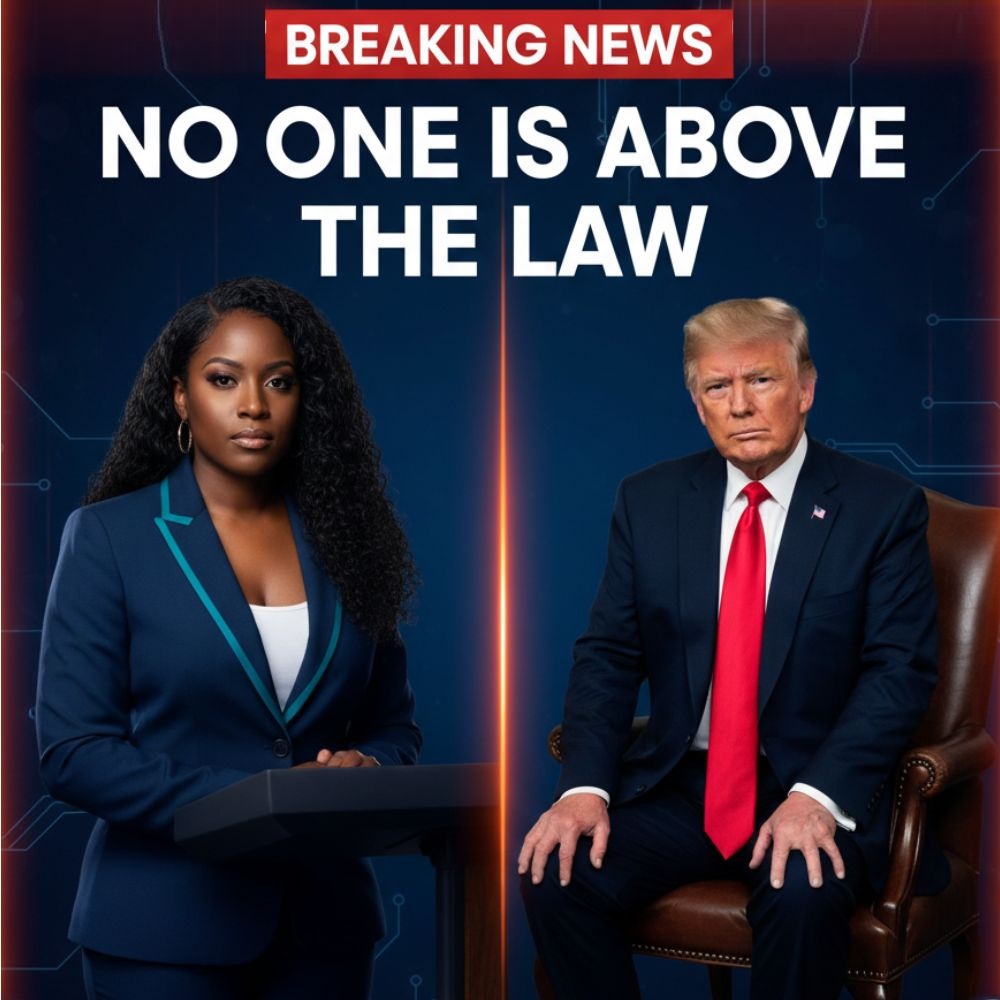
Crockett, a Texas Democrat, framed the demand as a matter of ethics and accountability, arguing that public office must never be used as a vehicle for personal enrichment, regardless of political affiliation or past presidential status.
In a sharply worded statement, Crockett accused Trump of leveraging the power of the presidency to direct influence and financial benefit toward entities connected to policies enacted during his administration.
“He leveraged public office to direct influence and financial benefit toward entities tied to his own policies, using taxpayer-funded authority as a shield,” Crockett said, calling the situation a serious abuse of power.
The congresswoman went further, describing the alleged conduct as a blatant conflict of interest that undermines public trust and erodes confidence in the integrity of federal governance.
Crockett announced that Trump has three days to respond to the allegation before she formally requests that the matter be referred to the Department of Justice for review.
According to her statement, the referral would seek an independent examination of whether Trump’s actions violated federal ethics laws, conflict-of-interest statutes, or other applicable regulations.
“There is nothing ethical, transparent, or legal about this,” Crockett added, emphasizing that her demand is rooted in oversight responsibilities rather than partisan retaliation.
Trump and his representatives had not immediately responded publicly to the allegations at the time of the announcement, leaving supporters and critics to debate the merits of Crockett’s claims.
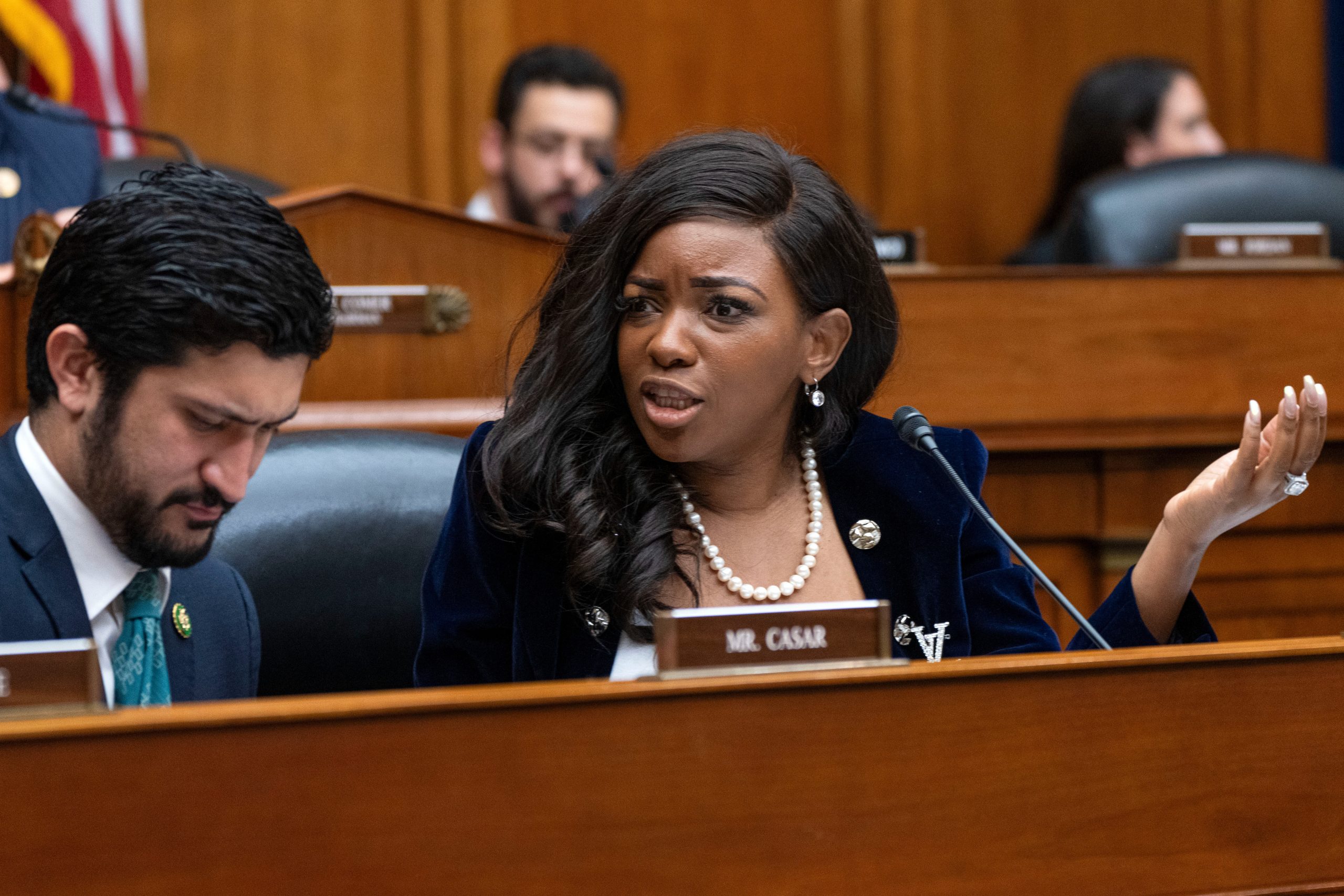
Legal experts caution that allegations involving presidential-era business activity are often complex, requiring detailed examination of financial records, timelines, and the separation between policy decisions and private enterprise.
Supporters of Crockett argue that the issue reflects long-standing concerns about Trump’s business empire and its intersection with public office, concerns that were raised repeatedly during his presidency.
They point to past controversies involving Trump-owned properties, branding deals, and international business relationships as evidence that heightened scrutiny is warranted.
Trump’s allies, however, quickly dismissed Crockett’s demand as politically motivated, arguing that similar accusations have been investigated before without resulting in criminal findings.
Conservative commentators accused Crockett of using inflammatory language to generate headlines and energize her political base rather than pursuing a measured legal process.
Some critics also questioned the $120 million figure cited by Crockett, noting that precise calculations of alleged financial benefit would require extensive documentation and independent verification.
Ethics watchdog groups responded cautiously, stating that while allegations of conflicts of interest deserve attention, conclusions should not be drawn before a formal review is conducted.
Several organizations reiterated calls for stronger disclosure requirements and clearer rules governing the financial activities of presidents and former presidents.
The timing of Crockett’s announcement has also drawn attention, coming amid heightened political polarization and renewed debate over accountability for past administrations.
Observers note that the threat of a DOJ referral, even if symbolic, raises the political stakes by signaling a willingness to escalate the dispute beyond congressional rhetoric.
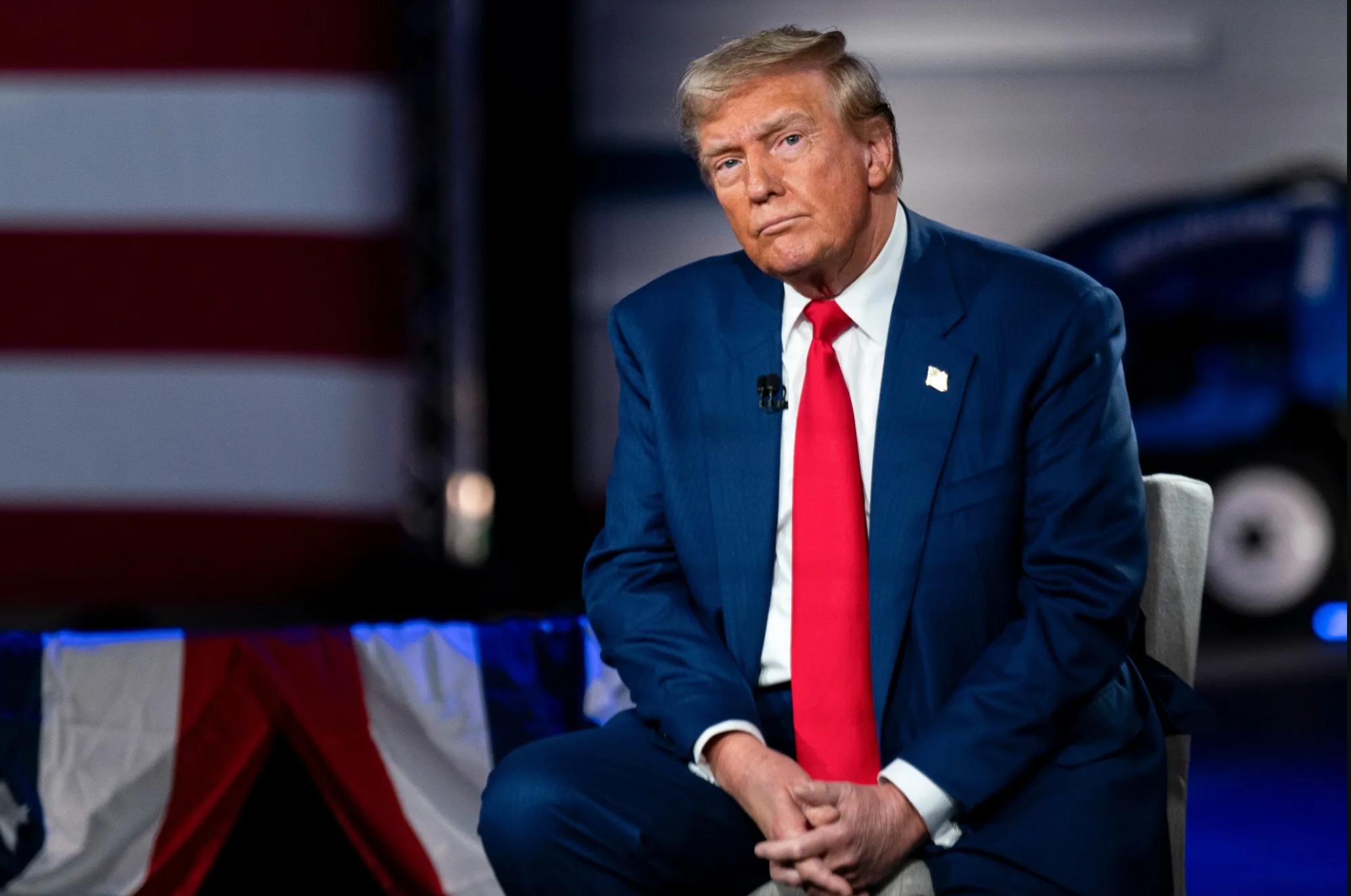
Former Justice Department officials note that referrals from members of Congress do not guarantee investigations, but they can prompt preliminary reviews if sufficient evidence is presented.
Whether such a review would proceed depends on jurisdiction, evidentiary thresholds, and prosecutorial discretion, factors that often limit the scope of politically charged allegations.
Trump’s supporters argue that repeated investigations have desensitized the public and risk turning accountability mechanisms into tools of partisan warfare.
Democrats counter that failing to pursue credible allegations would normalize potential abuses of power and weaken ethical standards for future officeholders.
The controversy also highlights unresolved questions about how former presidents should be held accountable for actions taken while in office, particularly when business interests are involved.
Legal scholars note that existing ethics laws were not designed with modern presidential business empires in mind, creating gray areas that remain politically contentious.
As Crockett’s three-day deadline approaches, attention is focused on whether Trump will issue a formal response or allow the allegation to proceed toward a potential referral.
Regardless of the outcome, the episode underscores how ethical disputes from the Trump presidency continue to shape current political discourse.
For Crockett, the move positions her as a vocal advocate for aggressive oversight and accountability, a stance likely to resonate with progressive voters.
For Trump, the allegation adds another chapter to a long-running pattern of scrutiny that continues to follow him years after leaving office.
As the situation unfolds, the question facing Washington is not only whether the claims will be investigated, but how such disputes influence public trust in political institutions.
In an era of deep polarization, the confrontation serves as a reminder that debates over ethics, power, and accountability remain central to America’s ongoing political reckoning.