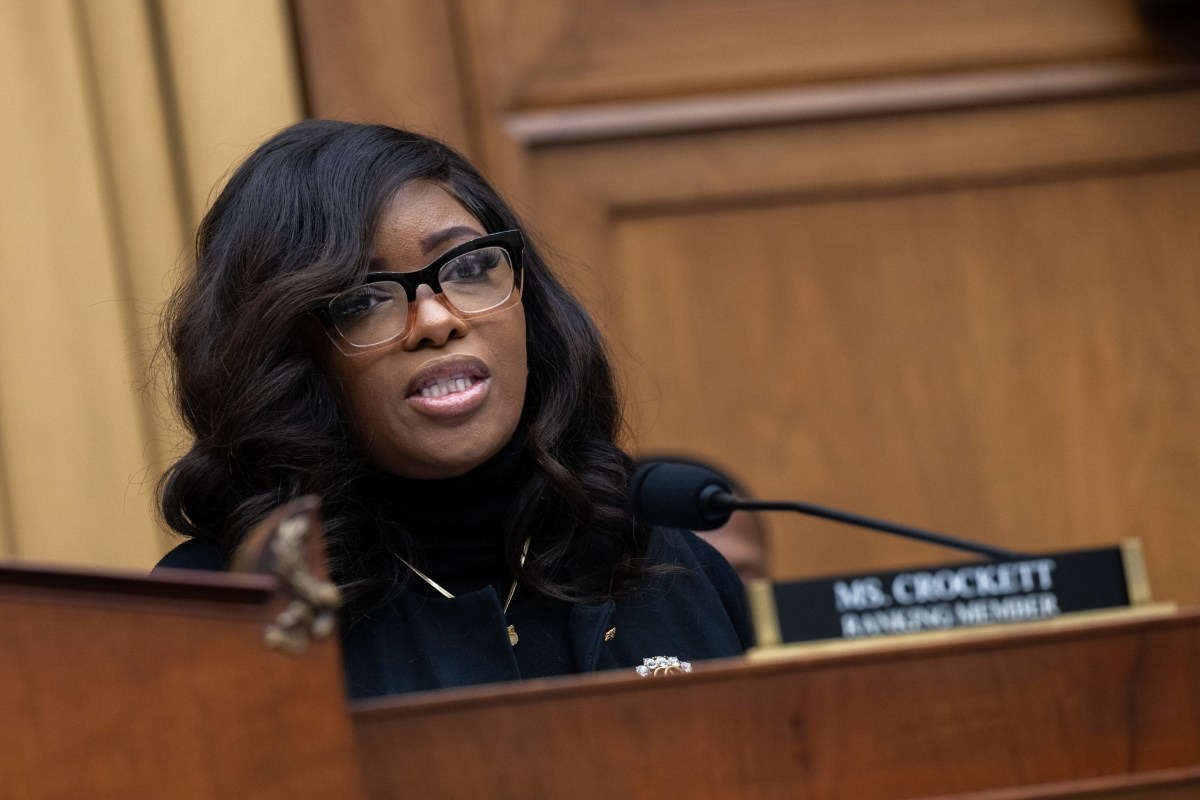
A nationally televised panel discussion spiraled into viral chaos after Representative Jasmine Crockett cited what she described as a DNA claim, triggering an explosive reaction from Ivanka Trump that instantly dominated timelines, headlines, and polarized conversations nationwide.
The exchange unfolded during a program framed around transparency, family narratives, and public accountability, yet quickly transformed into a cultural flashpoint, as viewers struggled to separate substantiated facts from allegations amplified by the unforgiving velocity of social media.
Within minutes, clipped videos of Ivanka Trump’s visible anger spread across platforms, drawing millions of views and igniting fierce debates over media responsibility, political theater, and the ethical boundaries of discussing private family matters on public broadcasts.
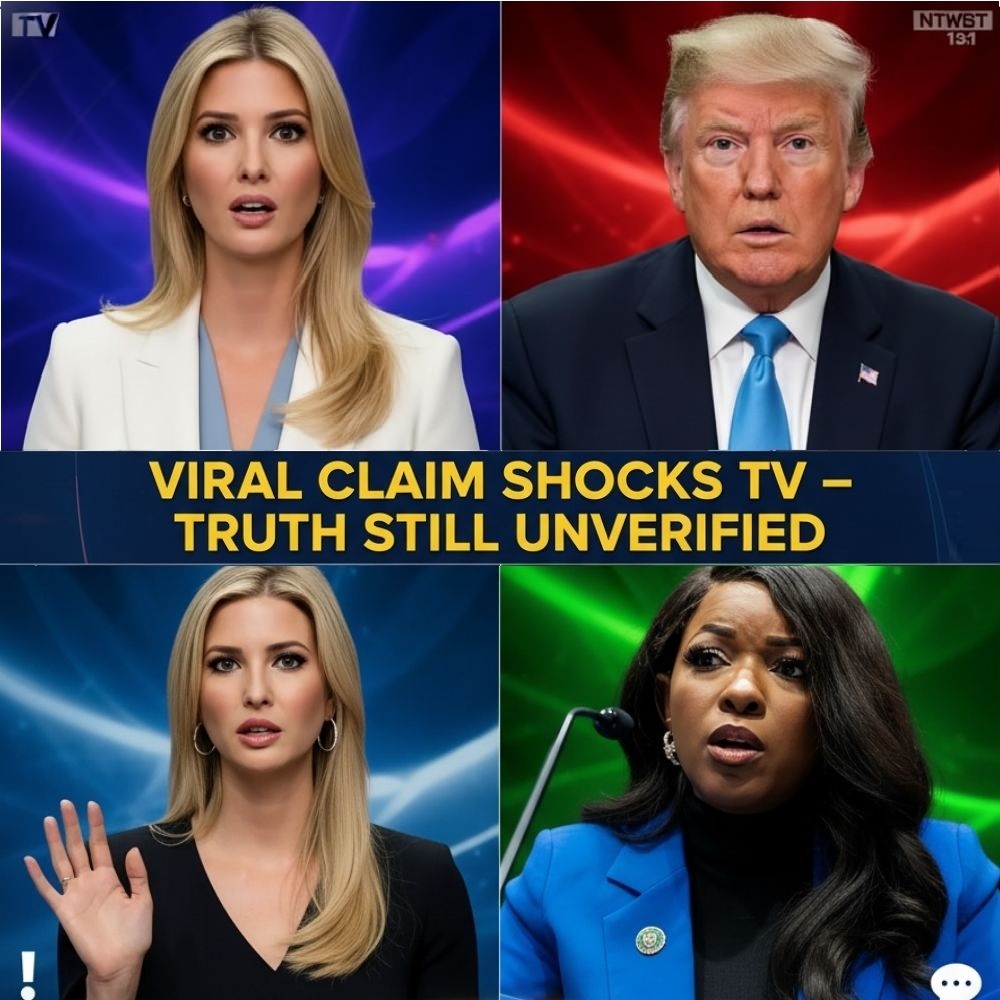
Crockett’s remarks, carefully worded yet provocatively delivered, referenced unnamed documents and alleged genetic evidence, prompting immediate denials from Trump representatives while fueling speculation that thrived in the absence of verified information.
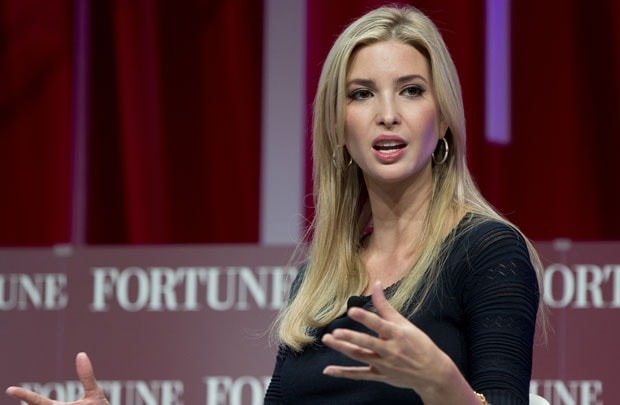
Ivanka Trump forcefully rejected the suggestion, calling it outrageous and reckless, accusing the panel of exploiting rumor over evidence, and warning that sensationalism was replacing truth in an era increasingly driven by algorithmic outrage.
The host attempted to regain control, but the damage was already done, as the confrontation crystallized into a defining clip that media critics described as a perfect storm of politics, celebrity, and viral misinformation.
Legal analysts quickly weighed in, emphasizing that no verified DNA results had been produced publicly, while cautioning audiences against accepting televised claims as factual without independent confirmation or credible documentation.
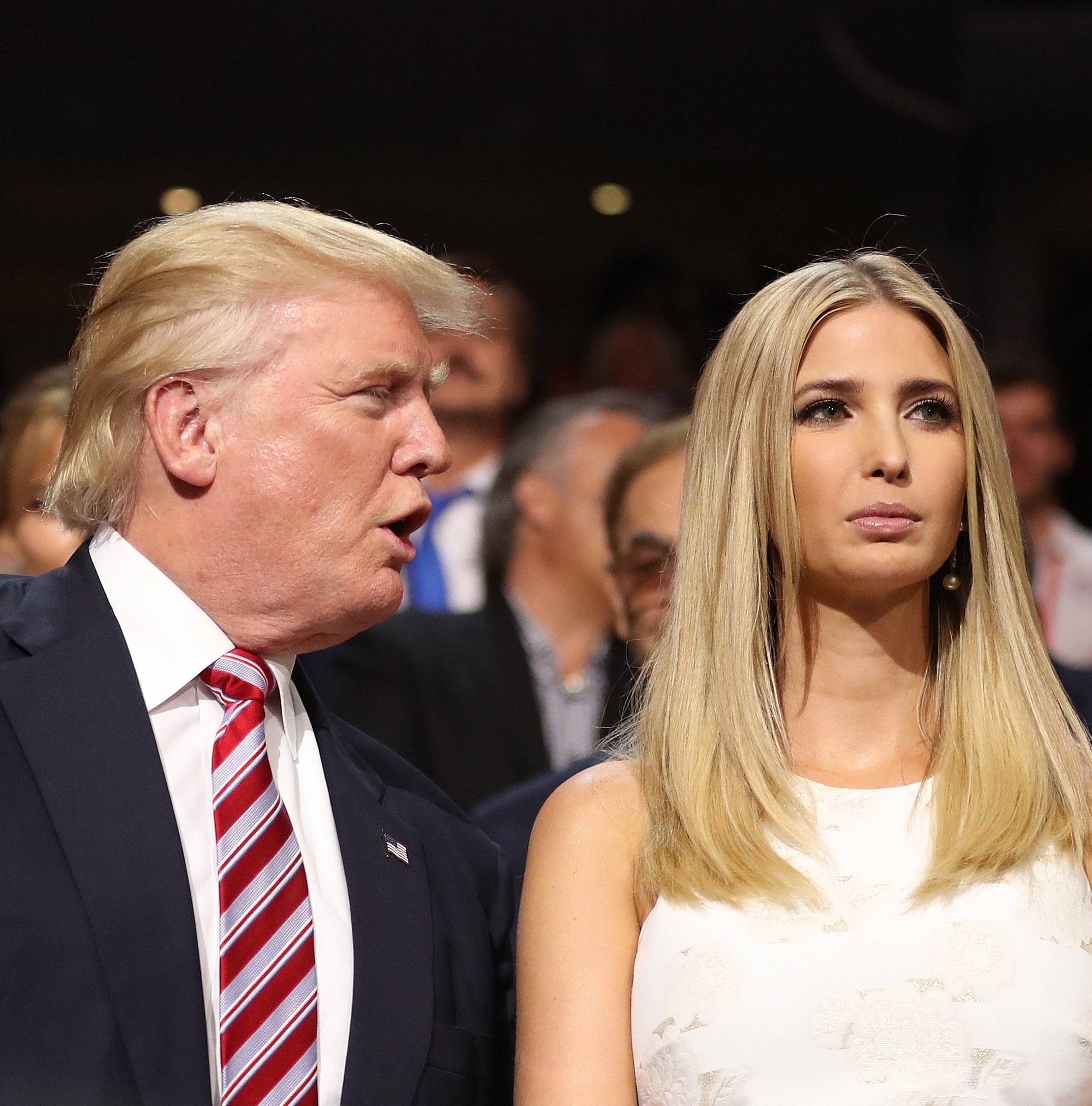
Despite those warnings, online discourse exploded, with hashtags trending globally, fan pages dissecting body language, and conspiracy-driven accounts spinning elaborate narratives that blurred fiction and reality for millions of casual viewers.
Supporters of Crockett framed the moment as courageous truth-telling, arguing that powerful families have historically evaded scrutiny, while critics condemned the segment as irresponsible theater that weaponized rumor against a private individual.
Mainstream news outlets took divergent approaches, with some focusing on the media frenzy itself, others highlighting the denials, and tabloid-style platforms amplifying the shock value to maximize engagement and shareability.
The Trump family issued a brief statement dismissing the claim as “categorically false,” signaling potential legal action while urging the public to reject what they described as a baseless and harmful narrative.
Ethics experts noted how modern broadcasts increasingly reward confrontation over clarity, suggesting the incident illustrated how provocation can eclipse verification when ratings, clicks, and virality dominate editorial decisions.
Social media algorithms further intensified the controversy, promoting emotionally charged reactions that outperformed sober analysis, effectively turning a disputed claim into a national conversation regardless of its factual foundation.
For many viewers, the spectacle symbolized a deeper crisis of trust, where political identities determine belief, and allegations gain traction not through proof, but through repetition, outrage, and tribal allegiance.
Mental health advocates also raised concerns about the human cost of viral controversies, noting that individuals at the center of such storms face relentless scrutiny, harassment, and long-lasting reputational harm.
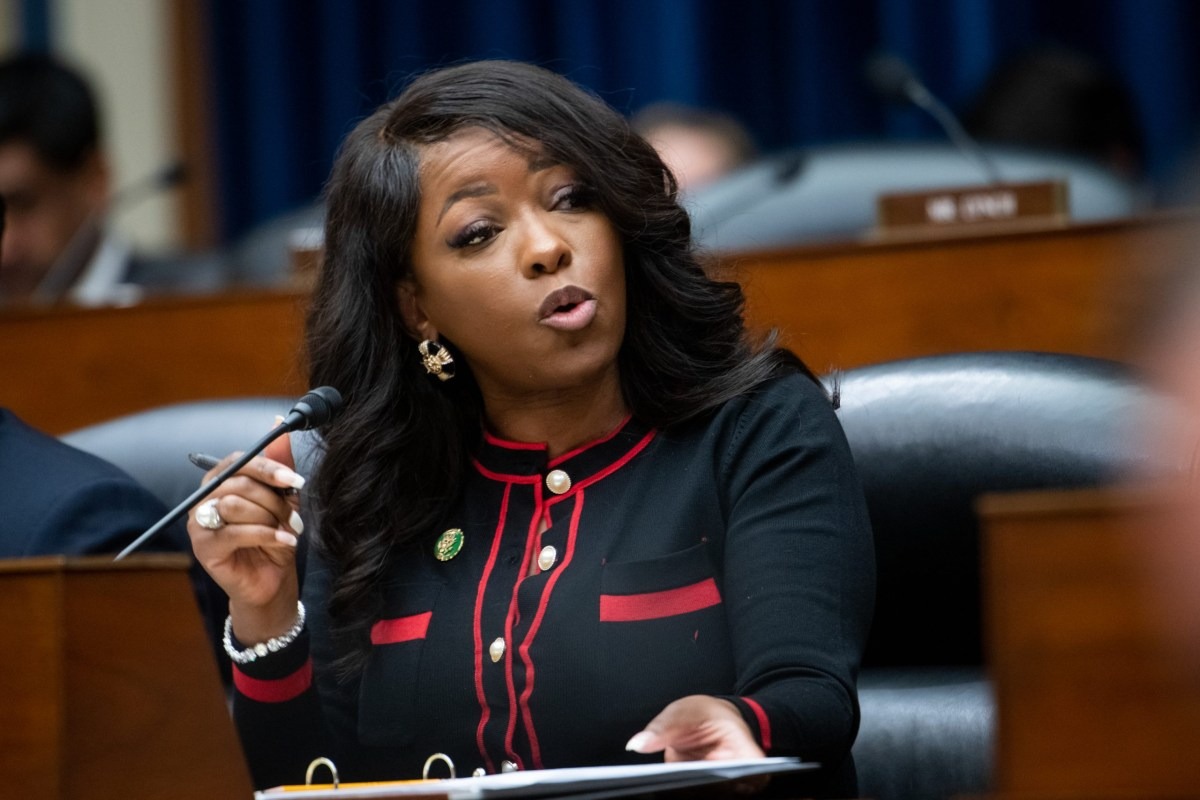
Meanwhile, political strategists debated whether the moment would energize Crockett’s base or backfire, potentially alienating moderates wary of conflating governance with sensational public confrontations.
Late-night shows and commentary podcasts seized the clip, remixing it into satire and debate, further extending its lifespan and embedding the controversy into popular culture beyond the original broadcast.
Audience reaction data showed record engagement for the program, reinforcing critics’ fears that controversy-driven content is being incentivized, even when it risks spreading unverified or misleading claims.
Journalism professors used the incident as a case study, urging students to examine how framing, language, and omission can transform speculation into perceived truth within minutes of live airtime.
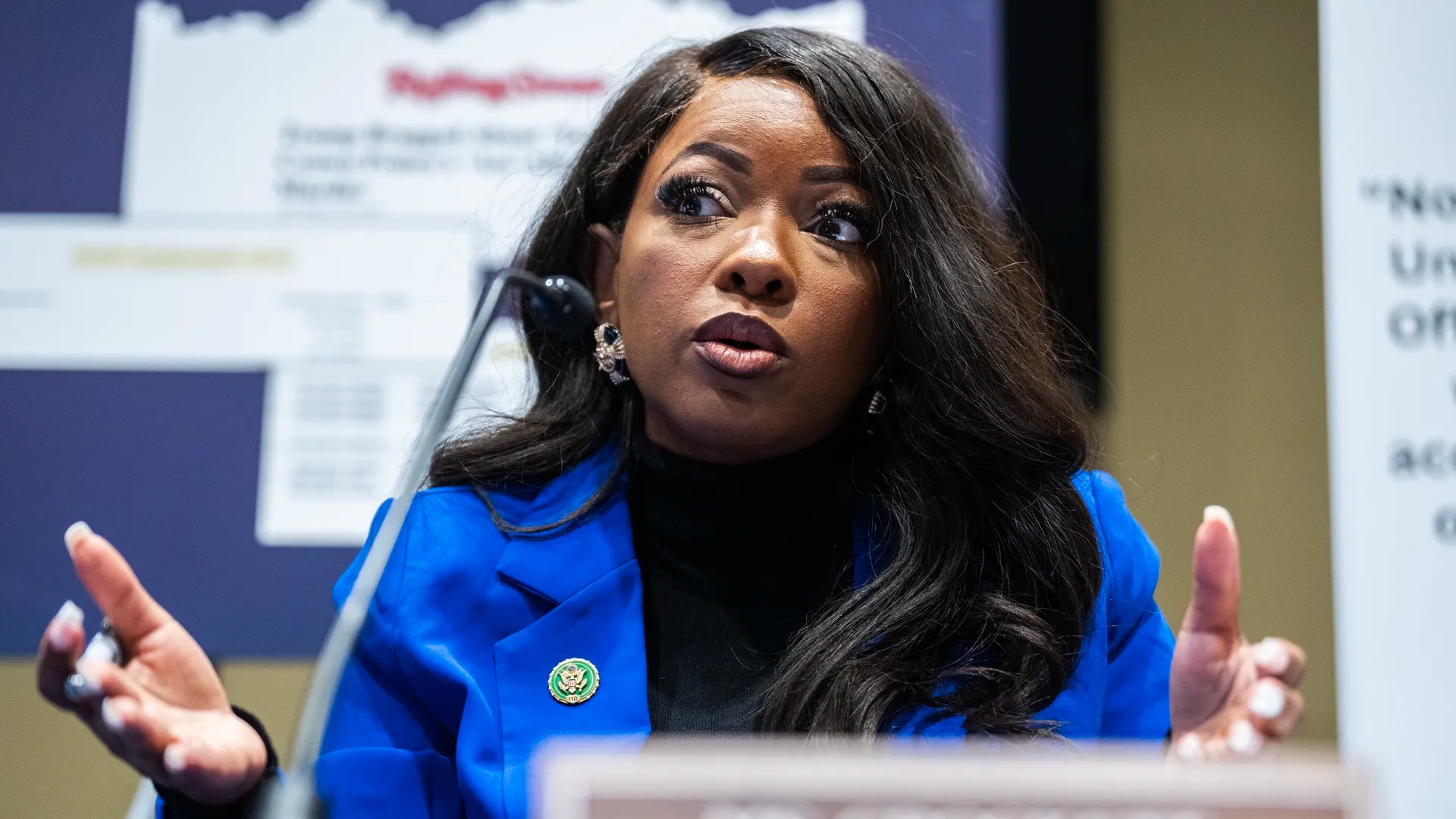
As days passed, no new evidence emerged, yet the conversation persisted, underscoring how narratives can outlive facts once they capture public imagination and emotional investment.
Ivanka Trump largely withdrew from public appearances following the incident, while allies argued that silence was strategic, denying oxygen to a story sustained primarily by outrage and curiosity.
Crockett, for her part, defended her remarks as raising questions rather than asserting conclusions, a distinction critics argued was lost amid the explosive delivery and viral amplification.
The controversy reignited broader debates about privacy rights for political families, particularly children, and whether any public interest justifies speculative discussions of deeply personal matters.
Polling suggested the public remained sharply divided, with opinions correlating strongly to partisan identity rather than assessment of evidence or journalistic standards.
Digital literacy advocates urged users to slow down, verify sources, and resist sharing emotionally charged content, warning that viral misinformation erodes democratic discourse over time.
Advertisers reportedly monitored the backlash closely, aware that association with polarizing content can carry both lucrative exposure and reputational risk.
What began as a panel discussion ultimately became a mirror reflecting modern media culture, where speed outruns scrutiny and controversy often eclipses consequence.
The incident demonstrated how quickly unverified claims can dominate national attention, even as factual clarity remains elusive or entirely absent.
As the cycle moved on, the clip lingered, continuing to resurface in feeds, debates, and comment sections, a reminder of the internet’s long memory.
Whether viewed as reckless provocation or performative outrage, the moment cemented itself as one of the most contentious television flashpoints of the year.
Ultimately, the saga left audiences grappling with a critical question: in a media landscape driven by virality, who bears responsibility when speculation becomes spectacle and truth becomes collateral damage.