In a decisive shift of policy, Canadian Foreign Minister Mélanie Joly has publicly confronted the United States, declaring an end to decades of economic deference and outlining a bold new strategy to secure Canada’s automotive sector and industrial future. Her remarks, delivered in a recent interview, signal Ottawa’s firm rejection of U.S. pressure and a pivot toward Asia and Europe to build economic independence.
The minister’s tone was calm yet unequivocal, marking a stark departure from what she characterized as a period of sidestepping Washington. Joly stated Canada will no longer approach the United States from a position of supplication but as a defender of its national interests. This stance comes as a direct response to dismissive signals from U.S. officials, including the Commerce Secretary, who recently suggested Washington’s engagement with Canada could be minimal.
“We will protect every single job in the auto sector,” Joly asserted, framing the commitment not as political rhetoric but as a core government obligation. She emphasized that the era of Canada awaiting American approval for its economic decisions is over. The strategy is built on protecting domestic industries while aggressively diversifying trade partnerships to reduce vulnerability to U.S. political volatility.
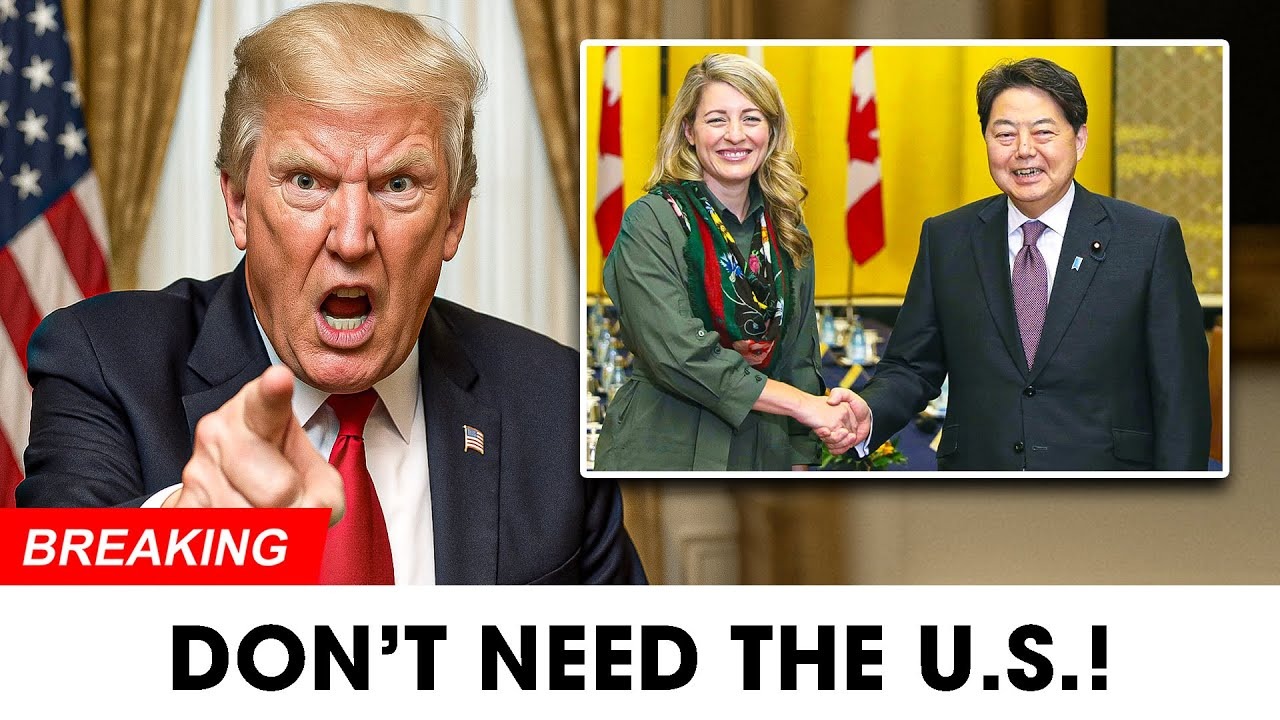
Central to this new direction is an immediate outreach to Japan. Joly revealed she will travel to Tokyo later this month to engage directly with the global CEOs of Honda and Toyota. This move is strategically significant, as over sixty percent of Canada’s automobile manufacturing is currently tied to these Japanese automakers. The goal is to secure new investments, plants, and supply chain agreements that would lessen the sector’s reliance on the U.S. market.
The minister positioned this outreach as a substantive counter to economic pressure, favoring concrete agreements over diplomatic protest. Success in Japan could catalyze new investment flows and create jobs beyond merely preserving existing positions, fundamentally strengthening Canada’s industrial base. This represents a long-term vision for autonomy that does not hinge on the political climate in Washington.
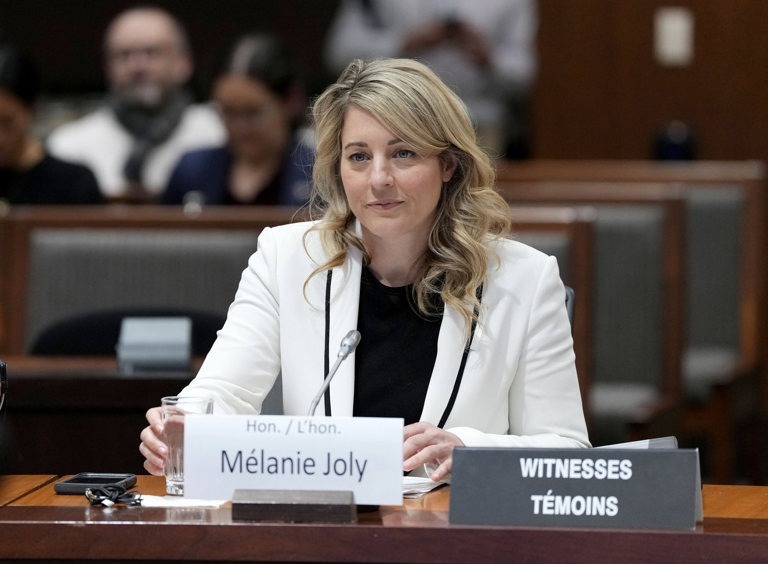
Joly also outlined a comprehensive domestic industrial plan resting on three pillars: protecting jobs in tariff-affected sectors like steel, aluminum, and autos; creating new employment through major defense and infrastructure projects; and attracting global investment and skilled talent. Each initiative is designed to systematically decrease economic dependence on the United States.
In defense, Joly announced Canada is boosting spending to reach the NATO benchmark of two percent of GDP by year’s end, with an additional nine billion dollars committed. She was clear this investment is not a concession to U.S. demands but a sovereign decision to build domestic capacity. The plan will generate thousands of jobs for welders, engineers, and researchers, serving Canada’s own security needs. Major projects like the second phase of the LNG facility in British Columbia, upgrades to the Port of Montreal, and the Darlington small modular nuclear reactor in Ontario were cited as engines for job creation and energy independence. Joly stressed these are not mere promises but projects already moving forward, designed to insulate the economy from external shocks.
When questioned about contentious projects like the Keystone XL pipeline, often framed as a litmus test for U.S.-Canada relations, Joly deftly redirected focus. She stated the priority is building modern industries that belong to Canadians, not deepening resource dependency on a single foreign market. The real strategic advantage, she argued, lies in sectors like critical minerals, electric vehicles, and clean technology.
Joly highlighted Canada’s abundance of critical minerals, essential for modern defense, electronics, and the energy transition, as a key area for attracting capital and building sovereign supply chains. She noted intense global competition for these resources and asserted Canada will develop them on its own terms, not under external coercion.
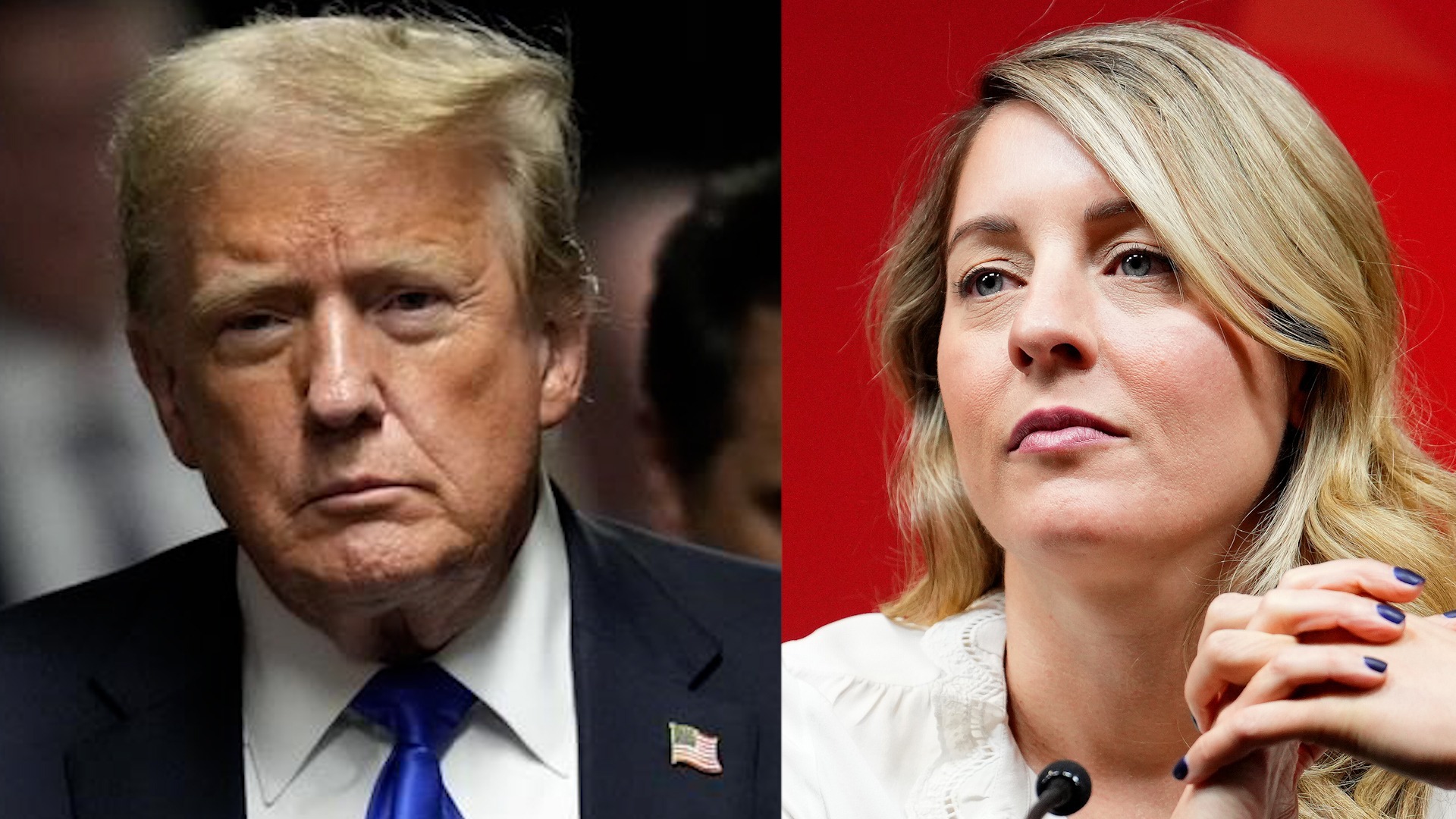
The minister acknowledged the challenges of an unpredictable world and current economic pressures but pointed to tangible progress, including the creation of 60,000 new jobs in a recent month and steady wage growth. She argued Canada’s stability, skilled workforce, and democratic institutions make it an attractive destination for global capital, citing sixty billion dollars in recent private investment commitments. Ultimately, Joly’s message was one of resolved independence. She framed Canada’s approach as a rational, strategic roadmap contrasting sharply with what she described as the “America First” pressure tactics from the Trump administration. The plan methodically seeks to dismantle a short-term dependency that has left Canadian workers exposed to the whims of U.S. politics.
This shift signifies more than a trade policy adjustment; it is a fundamental redefinition of Canada’s posture on the world stage. By confronting U.S. pressure head-on and charting a clear course toward diversification and self-reliance, the government is sending a definitive signal that Canada’s economic future will be forged on its own foundation.