In a surprising turn of events, Canada is collectively pushing back against U.S. tariffs, with a growing boycott of American goods and tourism that has taken root across the nation. This grassroots movement, ignited by President Trump’s aggressive trade policies, signals a significant shift in Canadian consumer behavior and political sentiment. As the trade war escalates, Canadians are wielding their spending power as a form of defiance, and the repercussions are being felt on both sides of the border.
Recent polling data from Nanos Research reveals that an overwhelming 80% of Canadians believe that boycotting American products or avoiding travel to the United States will bolster their country’s negotiating position in the ongoing trade dispute. This sentiment has transformed a government-level conflict into a nationwide campaign of economic independence. Shoppers in cities from Halifax to Vancouver are scrutinizing labels, opting for locally made products, and even changing their travel plans to favor domestic destinations over U.S. locales.
The economic implications of Trump’s tariffs, which imposed duties ranging from 10% to 35% on various Canadian imports, have been severe. The auto sector, a crucial component of Canada’s economy, has felt the brunt of rising costs, with reports indicating a 12% increase in average input costs. Yet, rather than capitulate, Canadians are adapting. The boycott has gained momentum, particularly among older demographics, with 85% of Canadians aged 55 and above supporting the movement.
The impact of this boycott extends beyond consumer choices; it is reshaping political dynamics as well. Prime Minister Mark Carney’s government is now armed with public support as it approaches negotiations with Washington ahead of the 2026 USMCA review. The unity displayed by Canadians—cutting across age, region, and political lines—has turned the boycott into a potent political signal.
Moreover, the backlash against U.S. tariffs is having tangible economic effects in American border states. Tourism agencies in regions like Vermont, Michigan, and New York are reporting declines in Canadian visitors, leading to warnings of lower bookings and decreased retail sales. The very strategy intended to isolate Canada is backfiring, creating economic strain in communities that rely on cross-border trade.
The narrative is further complicated by recent comments from President Trump, who suggested that Canada should become the “51st state” of the U.S. This remark, intended as a jab, has instead highlighted the growing resolve among Canadian leaders to assert their economic sovereignty. Ontario Premier Doug Ford, alongside Michigan Governor Gretchen Whitmer, dismissed Trump’s comment, signaling a shift toward a more competitive and independent Canadian economic strategy.
As the U.S. continues to impose tariffs, Canada is seizing the opportunity to diversify its trade partnerships, seeking alliances beyond its southern neighbor. Ottawa’s commitment to strengthening ties with the European Union and other global markets reflects a strategic pivot aimed at reducing reliance on the U.S. economy.
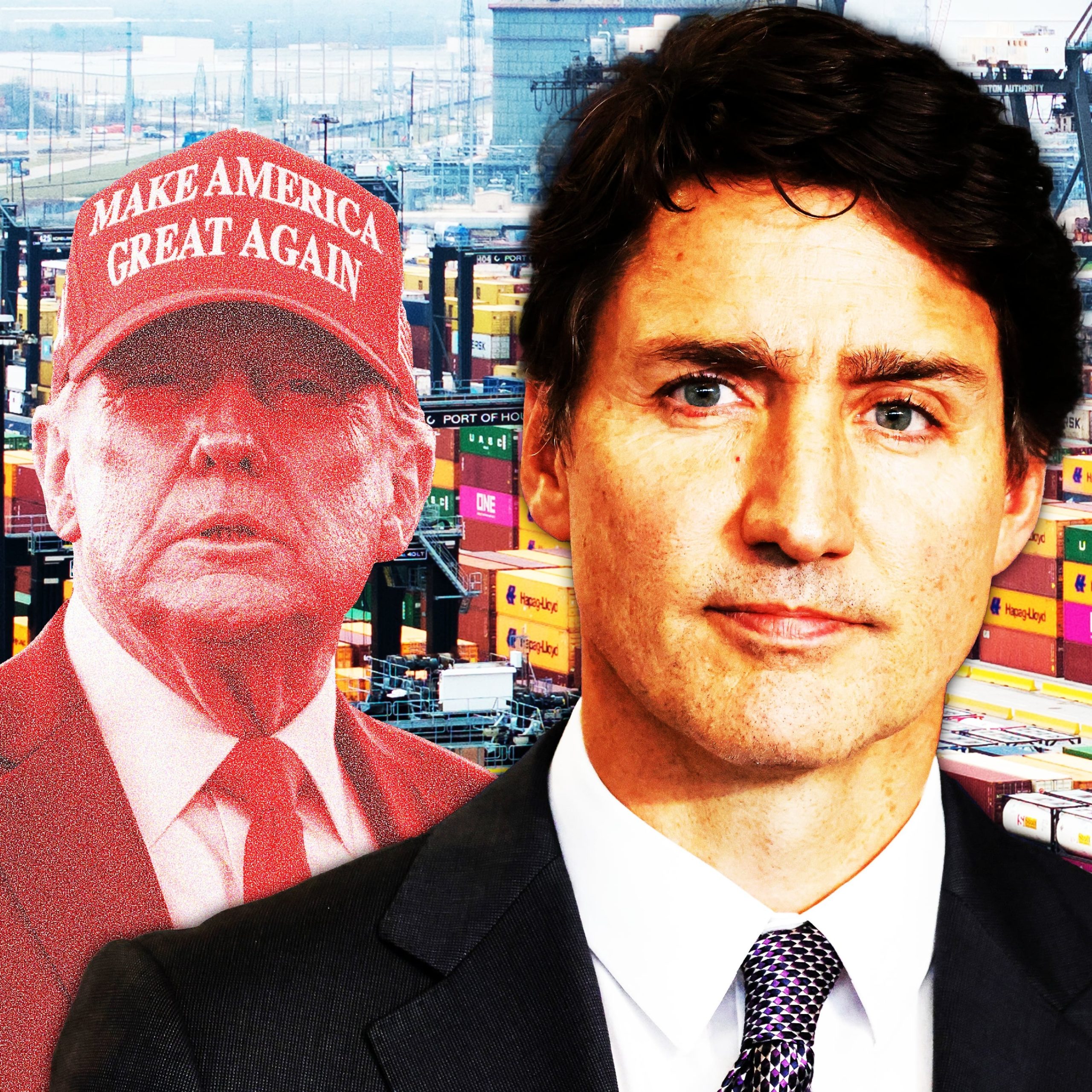
In summary, the Canadian boycott of American goods is not just a reaction to tariffs; it is a statement of national identity and economic resilience. As ordinary citizens rally to support local businesses, they are redefining the landscape of trade negotiations.
The implications of this movement extend far beyond consumer choices—they are reshaping the political and economic relationship between Canada and the United States. The question now is how long the U.S. can maintain its current approach before the consequences become untenable, forcing a reevaluation of its trade policies and diplomatic strategies.