It started with a whisper, the kind of rumor that drifts through tech circles and online forums late at night: Tesla wasn’t just building cars anymore. Something smaller, something stranger, something unexpected was on the horizon. For weeks, speculation burned, but few could imagine the reality. Then Elon Musk stepped on stage, smiled with that familiar spark, and confirmed what many thought was impossible — the 2026 Tesla Tiny House was real.
At first, the audience blinked, unsure if they had heard correctly. Tesla, the company that redefined electric vehicles and sent rockets into orbit, was now entering the world of homes. Not mansions, not skyscrapers, but tiny houses. Musk’s words landed like lightning: “Housing should be sustainable, affordable, and inspiring. We’ve done it with cars. Now it’s time to do it with homes.”
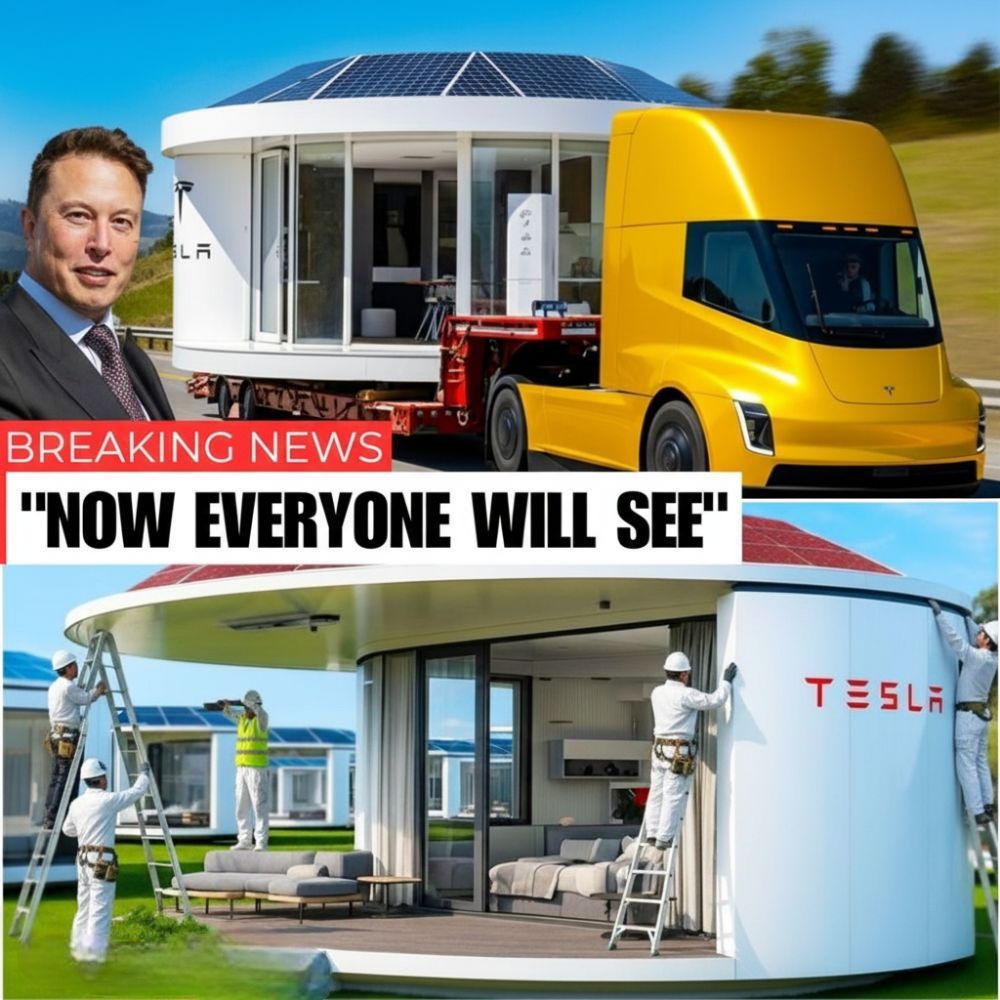
The reveal was more than a product launch. It was a statement. Behind him, the curtain lifted to reveal a sleek, futuristic structure, compact but elegant, glowing under stage lights. This wasn’t the rustic wooden cabin many expected. The Tesla Tiny House looked like a fragment of tomorrow — sharp lines, solar-paneled roof, minimalist interiors powered entirely by Tesla’s battery technology.
The shock wasn’t just in the design. It was in the price. Elon Musk announced it boldly: $15,000. Gasps filled the room. In a market where homes are slipping further out of reach for young families and first-time buyers, here was a number so low it sounded unreal. But Tesla had made a career out of turning the impossible into reality.
What made it possible was Tesla’s ecosystem. Solar panels on the roof collected energy. A Powerwall battery stored it. Smart systems managed lighting, heating, and water efficiency. The house wasn’t just cheap — it was nearly self-sustaining. “Imagine never worrying about utility bills again,” Musk added, his voice calm, almost casual, as though he wasn’t rewriting the future in front of everyone.
Reactions were immediate. Economists called it disruptive. Architects called it bold. Fans online called it a miracle. For many struggling with rising rents, endless mortgages, and the crushing weight of housing insecurity, the Tesla Tiny House felt like hope made tangible. A vision of shelter that didn’t require a lifetime of debt.
Yet beneath the excitement, questions swirled. Could it really be mᴀss-produced at such a price? Where would it be legal to park or build these units? Would governments embrace or resist them? These uncertainties didn’t stop the buzz. If anything, they fueled it. The mystery added to the allure, the same way Tesla’s cars had once stirred doubt before becoming icons.
For Elon Musk, this was not just about shelter. It was about philosophy. He spoke of mobility, of freedom, of a generation unshackled from traditional real estate. “Why should people be tied down to one place? Your home should move with you. It should adapt to your life, not the other way around.”
The words resonated. In a world reeling from economic pressures, climate anxiety, and the dream of independence, the idea of a futuristic, affordable, and eco-friendly home spread like wildfire. Social media erupted with mock-ups of Tesla Tiny House neighborhoods, fans designing their own layouts, others joking that they’d trade their apartments tomorrow if it meant living off-grid in a Musk-inspired pod.
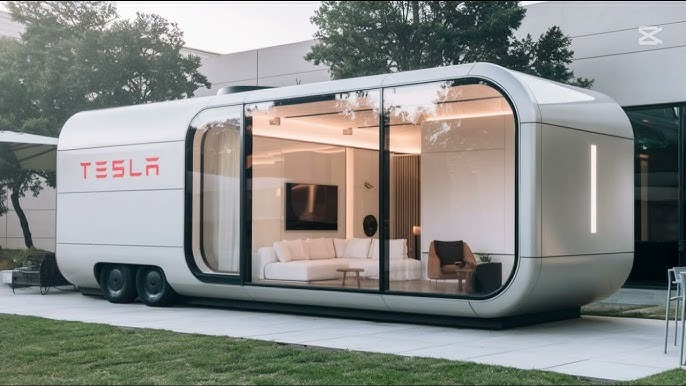
But the truth remained: the product was real, the shock was real, and the implications were staggering. If Tesla could deliver, the housing market would never be the same.
Tonight, as the buzz ripples across continents, one thought lingers: this might not just be a house. It might be the beginning of a movement. And once again, Elon Musk has left the world both dazzled and dazed, asking the same question — what future did we just glimpse, and how soon will it arrive?