This article is a work of fiction created for creative and speculative purposes only.
It does not allege real crimes, real indictments, or verified actions by any individual or institution.
Washington was thrown into a fresh wave of political and digital chaos after a fictional allegation surfaced, claiming a staggering multibillion-dollar fraud tied to pandemic-era health decisions.
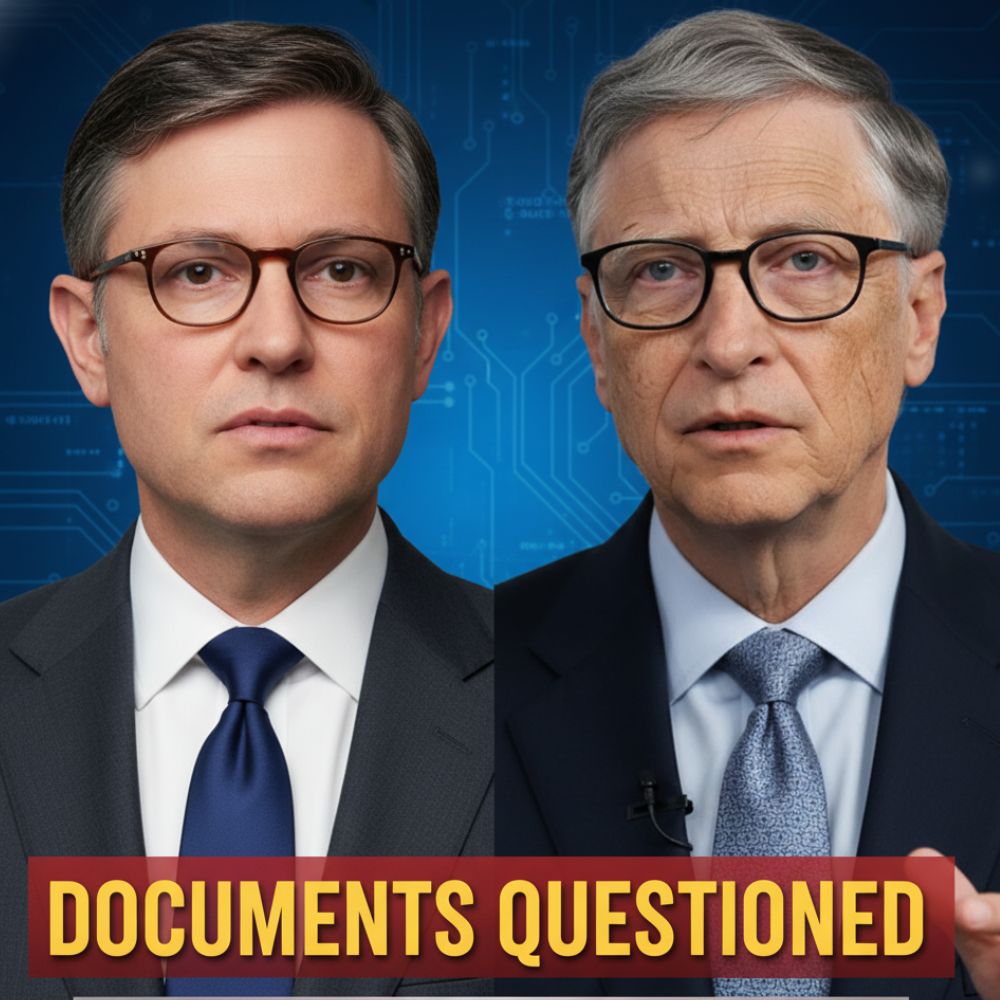
In this fictional scenario, Mike Johnson is portrayed as pursuing a $1.3 billion fraud indictment connected to a controversial COVID-related initiative.
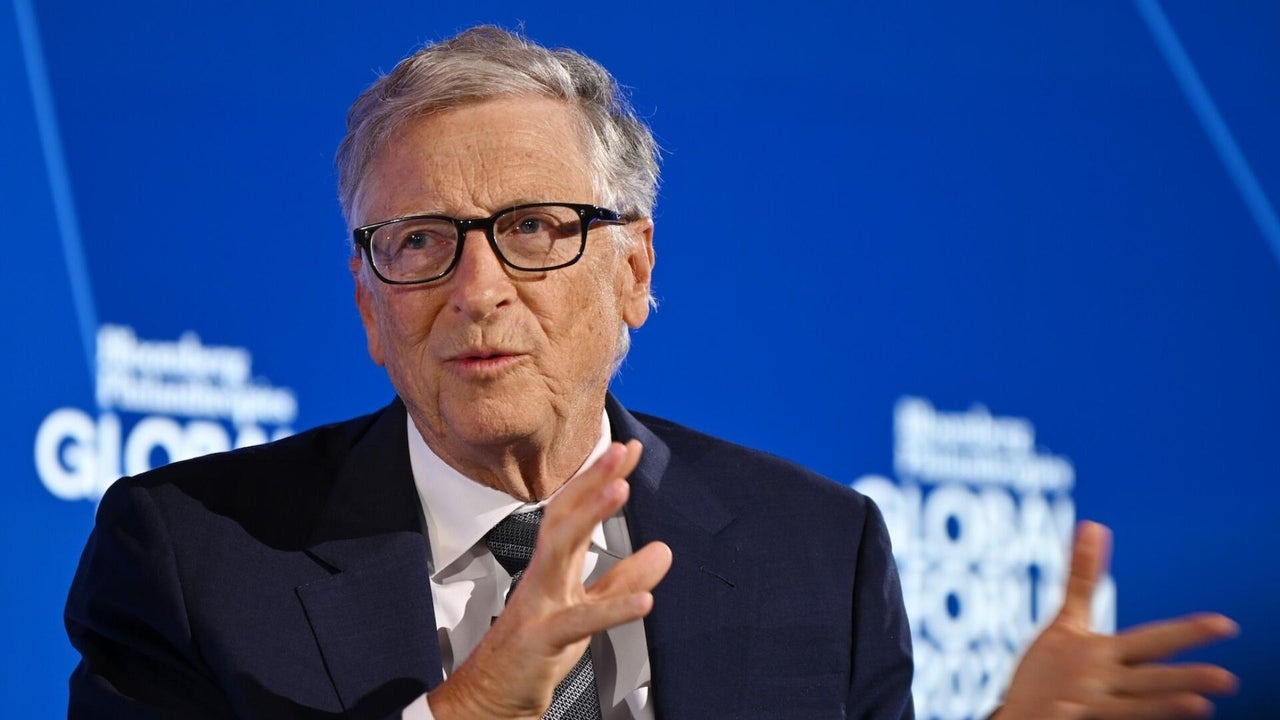
The narrative claims the target of this unprecedented legal move is Bill Gates, one of the most influential figures in global health and technology.
According to the fictional allegation, Gates knowingly promoted and profited from a pandemic “cure” despite internal awareness that it would ultimately fail.
The claim instantly detonated across social platforms, igniting furious debate over accountability, power, and the legacy of emergency decision-making during global crises.
Supporters of the fictional indictment framed it as a long-overdue reckoning for elite figures who operated above scrutiny during unprecedented public fear.
Critics dismissed the narrative as dangerous misinformation designed to exploit lingering pandemic trauma for engagement and political theater.

Within hours, headlines multiplied, each version more incendiary than the last, transforming a speculative legal scenario into viral content engineered for outrage.
In the fictional account, unnamed investigators alleged that internal projections contradicted public optimism surrounding the proposed treatment.
They claimed financial flows continued regardless, fueled by influence, urgency, and public desperation for solutions.
The $1.3 billion figure became a psychological anchor, giving the narrative weight regardless of the absence of verifiable documentation.
Media analysts observed that large numbers often substitute for evidence in viral discourse, shaping belief before scrutiny can catch up.
The story’s power lay not in detail, but in implication, allowing audiences to fill gaps with existing distrust toward pharmaceutical and philanthropic elites.
Proponents of the fictional case argued that emergency conditions should never suspend ethical responsibility or financial transparency.
They insisted that crisis-era decisions must face retroactive evaluation once fear subsides and consequences become measurable.
Opponents countered that retrospective judgment ignores the uncertainty and urgency that defined early pandemic responses.
They warned that rewriting crisis decisions as criminal conspiracies risks discouraging future innovation during emergencies.
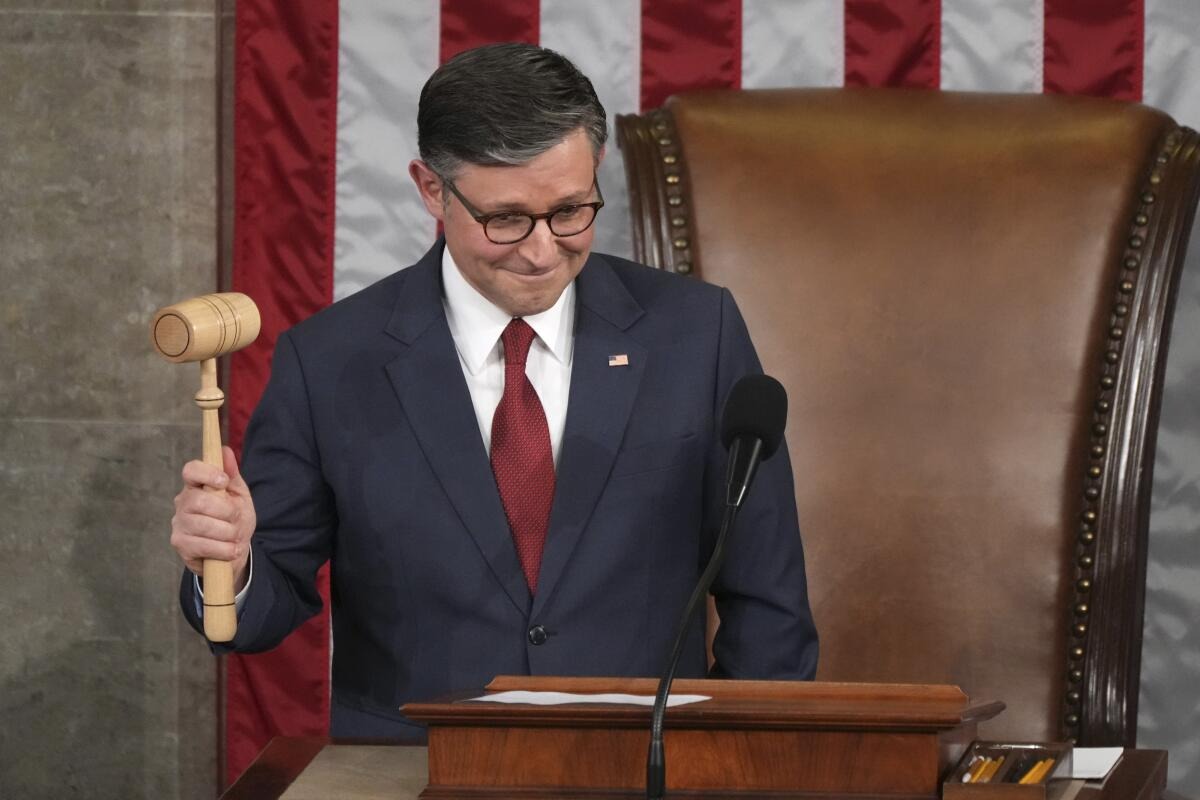
In this fictional universe, Johnson was depicted as arguing that intent matters more than outcome when profits and public health intersect.
That framing resonated with audiences already convinced that pandemic policies favored powerful actors over ordinary citizens.
Comment sections erupted with arguments over whether philanthropy masks profit motives or enables rapid global intervention.
The Gates Foundation’s long-standing role in global health initiatives became a focal point of polarized interpretation.
Some viewed it as evidence of outsized influence lacking democratic oversight.
Others saw it as a necessary force compensating for government inertia and underfunded health systems.
The fictional allegation blurred these debates into a single narrative of betrayal versus benevolence.
Legal scholars within the story cautioned that fraud requires proof of knowing deception, not merely failed outcomes.
They emphasized that failure alone does not equal criminal intent, even when profits are involved.
Supporters dismissed such distinctions as legal insulation protecting the powerful from moral accountability.
The pandemic context intensified emotions, reopening unresolved grief, anger, and distrust that never fully dissipated.
Social media algorithms amplified the most accusatory interpretations, rewarding certainty over complexity.
Hashtags combining “COVID,” “Fraud,” and “Billions” trended simultaneously across multiple platforms.
Each share further detached the narrative from its fictional origins, illustrating how repetition can simulate reality.
In the story, calls emerged demanding congressional hearings, asset freezes, and international investigations.
Others demanded platform moderation, arguing the narrative endangered public trust in future health interventions.
The fictional indictment scenario became a mirror reflecting broader anxieties about who benefits during catastrophe.
It also exposed how easily emergency narratives transform into post-crisis blame economies.
Political strategists noted that pandemic accountability remains a potent mobilization tool across ideological lines.
Whether framed as justice or vendetta, the concept generates immediate engagement.

In this fictional account, no documents were released, no charges filed, and no court dates scheduled.
Yet belief spread faster than any legal process ever could.
The story underscored a modern reality where accusations often achieve impact independent of verification.
Trust, once fractured, becomes resistant to repair regardless of clarification or context.
The fictional narrative concluded with a question echoing across digital spaces worldwide.
If power and profit intersect during crisis, who decides when failure becomes fraud.
And who controls that judgment when public faith is already eroded.
In this imagined storm, outrage functioned as both judge and jury.
Because in the attention economy, perception frequently precedes proof.
And once perception hardens, it becomes nearly impossible to reverse.