A sudden and severe threat of tariffs on Canadian potash has sent shockwaves through the American agricultural sector, placing farmers on the brink of a catastrophic cost crisis. President Donald Trump’s warning of “very severe” levies on the essential fertilizer, delivered alongside new farm aid, risks triggering immediate price spikes and long-term supply chain realignment that could permanently undermine U.S. food production. The move, aimed at forcing domestic self-sufficiency, ignores a fundamental geological and economic reality: American farms overwhelmingly depend on Canadian potash to function.
Within hours of the White House statement, panic spread across the Farm Belt. Farmers scrambled to contact suppliers, desperate to lock in current prices before the market reacted. Industry groups issued frantic alerts, warning that the administration’s math threatens to collapse farm margins. North of the border, Canadian producers began quietly securing new overseas buyers, preparing to pivot their supply away from the United States overnight. This is not a theoretical trade skirmish but a direct assault on a foundational agricultural input.
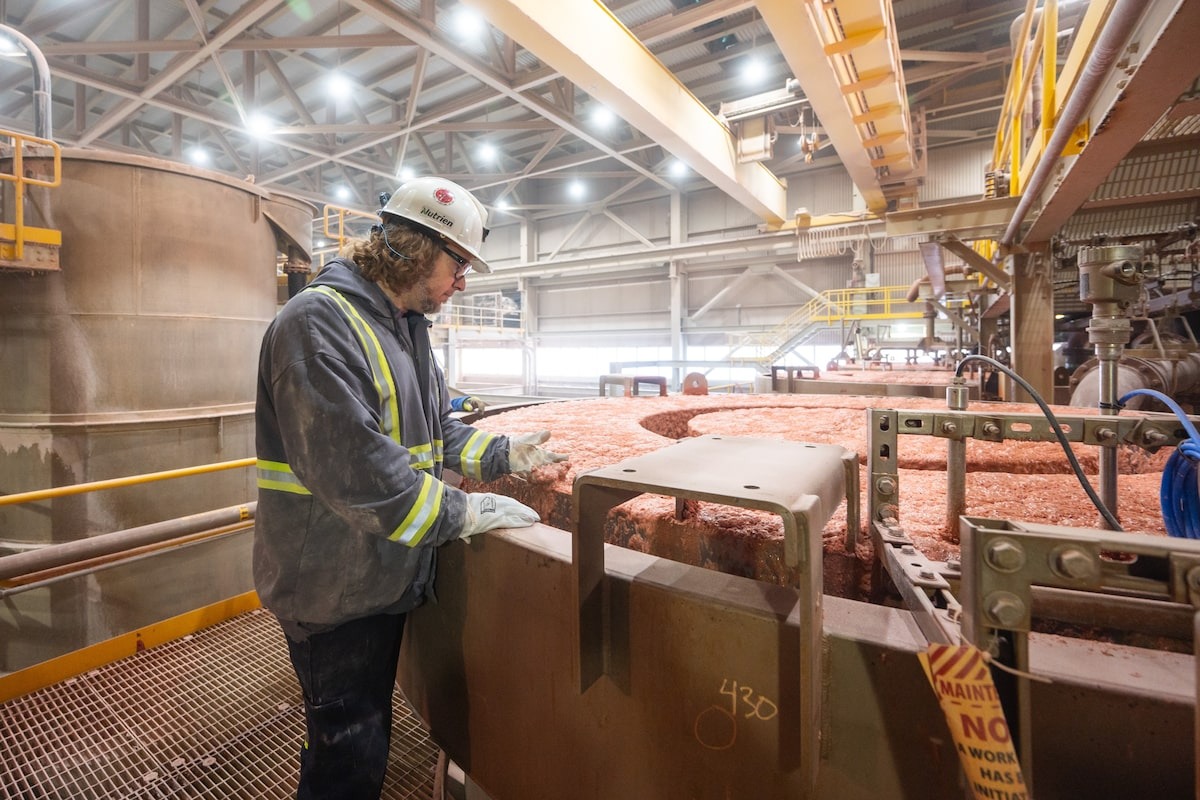
The core vulnerability is stark and non-negotiable. Modern American agriculture runs on potash, the critical source of potassium needed for virtually every major crop. The United States consumes roughly 5.3 million tons annually but produces only about 400,000 tons domestically, covering a mere 7-8% of its needs. Over 90% is imported, with nearly 80% of that total coming directly from Canada. Saskatchewan’s vast, high-quality deposits make it the world’s leading producer, a position built on geography and infrastructure that cannot be replicated quickly.
This dependence was violently exposed earlier this year. When a broad 25% tariff on Canadian goods was initially floated, potash prices skyrocketed from approximately $33 to $348 per short ton in weeks. The backlash from farm-state lawmakers and agricultural groups forced a partial retreat, lowering the proposed duty to 10%. That “compromise” still raised costs for growers already facing financial strain. The return of the threat, now with promises of even steeper penalties, has reignited fears of an irreversible market rupture.
The administration’s stated goal of boosting domestic production to achieve self-sufficiency collapses under practical scrutiny. Potash is mined, not manufactured. Developing a new mine is a decade-long process of exploration, permitting, and construction. American deposits are smaller, lower grade, and more expensive to extract than Canada’s. Any forced expansion would rely on tariffs shielding inefficient domestic producers, directly transferring higher costs onto farmers. The Fertilizer Institute has consistently warned this strategy makes U.S. agriculture less competitive, not more independent.
Global dynamics magnify the peril. The world’s potash export market is dominated by Canada, Russia, and Belarus. If tariffs make Canadian product prohibitively expensive, American buyers would be forced to seek alternatives from Russian and Belarusian suppliers, both entangled in the war in Ukraine and under extensive sanctions. Such a shift would hand geopolitical leverage and economic power to adversarial regimes, allowing them to influence the very foundation of the American food system.
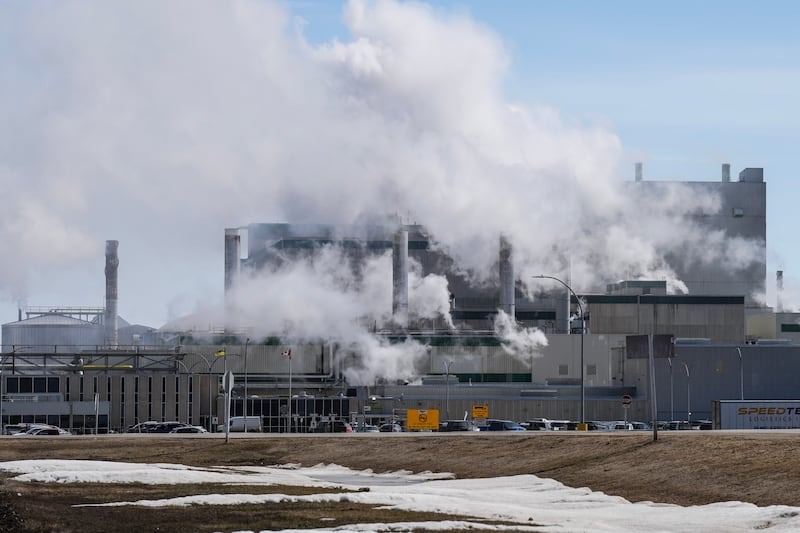
Canadian industry and political leaders are already executing a contingency plan. Recognizing the volatility of the U.S. market, producers are aggressively courting buyers in Europe, Asia, and Latin America. Nutrien, a Canadian giant, is investing $1 billion in a new export terminal in Washington State specifically to streamline shipments to Asia. Saskatchewan Premier Scott Moe has stated plainly that lost American sales can and will be replaced elsewhere, leaving U.S. farmers to face a constricted, more expensive supply.
The White House attempt to offset the looming damage with a new $12 billion aid package reveals a troubling pattern. During Trump’s first term, roughly $23 billion was paid to farmers to mitigate losses from trade conflicts. This year alone, government payments are projected near $40 billion. Economists warn this signals a dangerous new normal where farmers become permanently reliant on subsidies to survive policy decisions that cripple their underlying competitiveness.
Fertilizer constitutes over 35% of operating costs for major row crop producers. A sharp, tariff-driven increase strikes at the most vulnerable point in farm economics. Michael Langemeier of Purdue University’s Center for Commercial Agriculture suggests this path entrenches subsidy dependence rather than fostering resilience. The policy creates the financial distress it then must alleviate with taxpayer funds, a cycle that weakines the long-term health of the agricultural sector.
The escalating confrontation underscores a fundamental miscalculation. The United States holds no leverage in the potash trade; it is fundamentally dependent. Commodity supply chains built over decades cannot be reshaped by tariff threats alone. The immediate consequences are already unfolding: market instability, strategic pivots by Canadian exporters, and profound anxiety among American growers. The long-term outcome points toward a reshuffled global market where U.S. agriculture is isolated, paying premium prices, and increasingly uncompetitive on the world stage.
Farmers who supported the administration on promises of protection now face a brutal paradox. Policies marketed as strengthening American control are instead triggering higher input costs, threatening reliable supply, and pushing their operations toward permanent reliance on government bailouts. The stability required for long-term planning—affordable inputs and reliable export markets—is being systematically dismantled. The potash tariff threat is not a negotiating tactic but a potential catalyst for a structural collapse in U.S. agricultural competitiveness, with the damage set to ripple from the heartland to grocery stores nationwide.