Shockwaves in Washington: When “Deep State” Claims Ignite a Political Firestorm
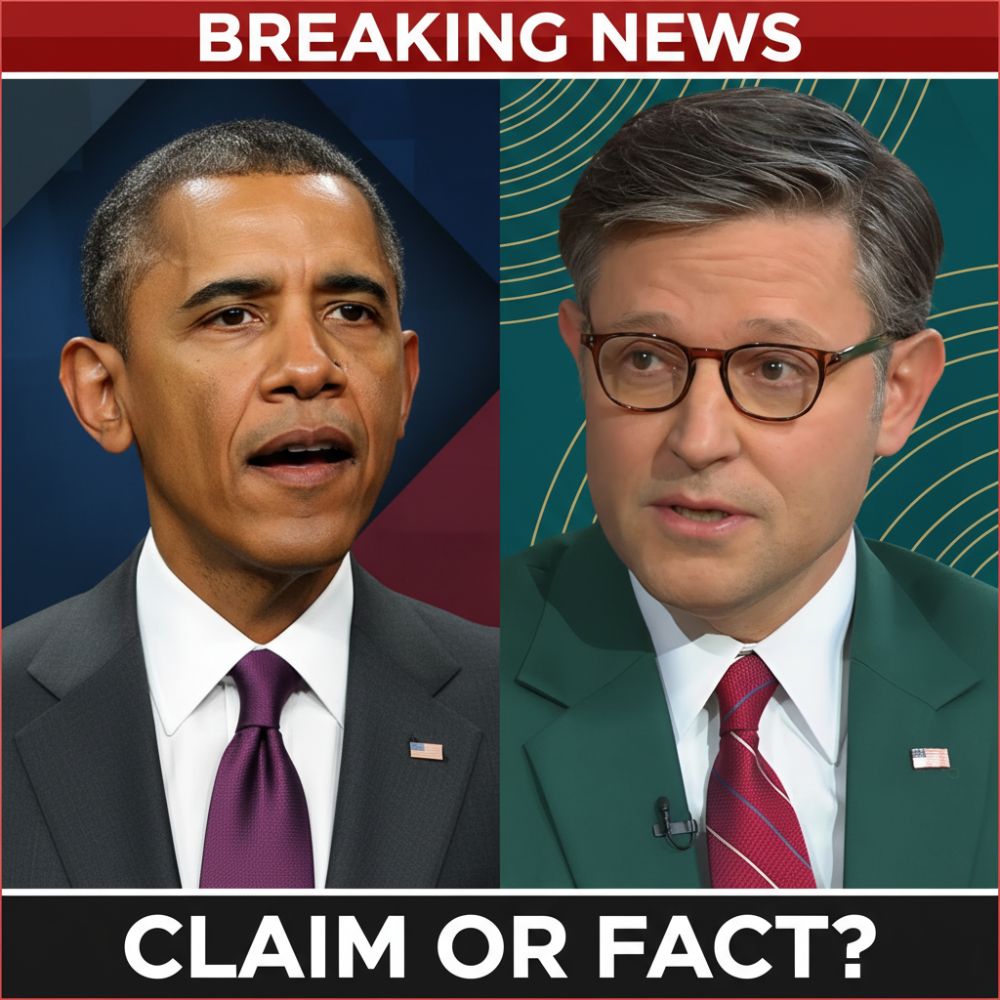
Mike Johnson’s explosive statement has detonated across Washington, alleging a “Deep State” tied to Barack Obama, instantly polarizing audiences and forcing Americans to confront power, secrecy, and accountability narratives.
Supporters hail the declaration as overdue truth-telling, while critics condemn it as reckless rhetoric, arguing such claims inflame distrust, undermine institutions, and weaponize suspicion in an already fractured political climate.
The phrase “Deep State” itself is emotionally charged, evoking images of hidden hands steering democracy, shadow networks immune from elections, and elites operating beyond public oversight and legal consequence.
Johnson’s words did not emerge in isolation; they reflect years of simmering frustration among voters who believe bureaucratic permanence has eclipsed democratic accountability and blurred lines between governance and ideology.
Opponents counter that these narratives oversimplify complex institutions, transforming policy disagreements into conspiratorial morality plays that erode faith in civil servants and normalize accusations without substantiated evidence.
By linking the alleged network to Obama, Johnson escalated the controversy, dragging a former president into a rhetorical battlefield where symbolism often outweighs verifiable documentation or judicial findings.
For Obama’s supporters, the implication feels like character assassination, an attempt to rewrite history through insinuation, while sidestepping the legal thresholds required to prove criminal coordination or intent.
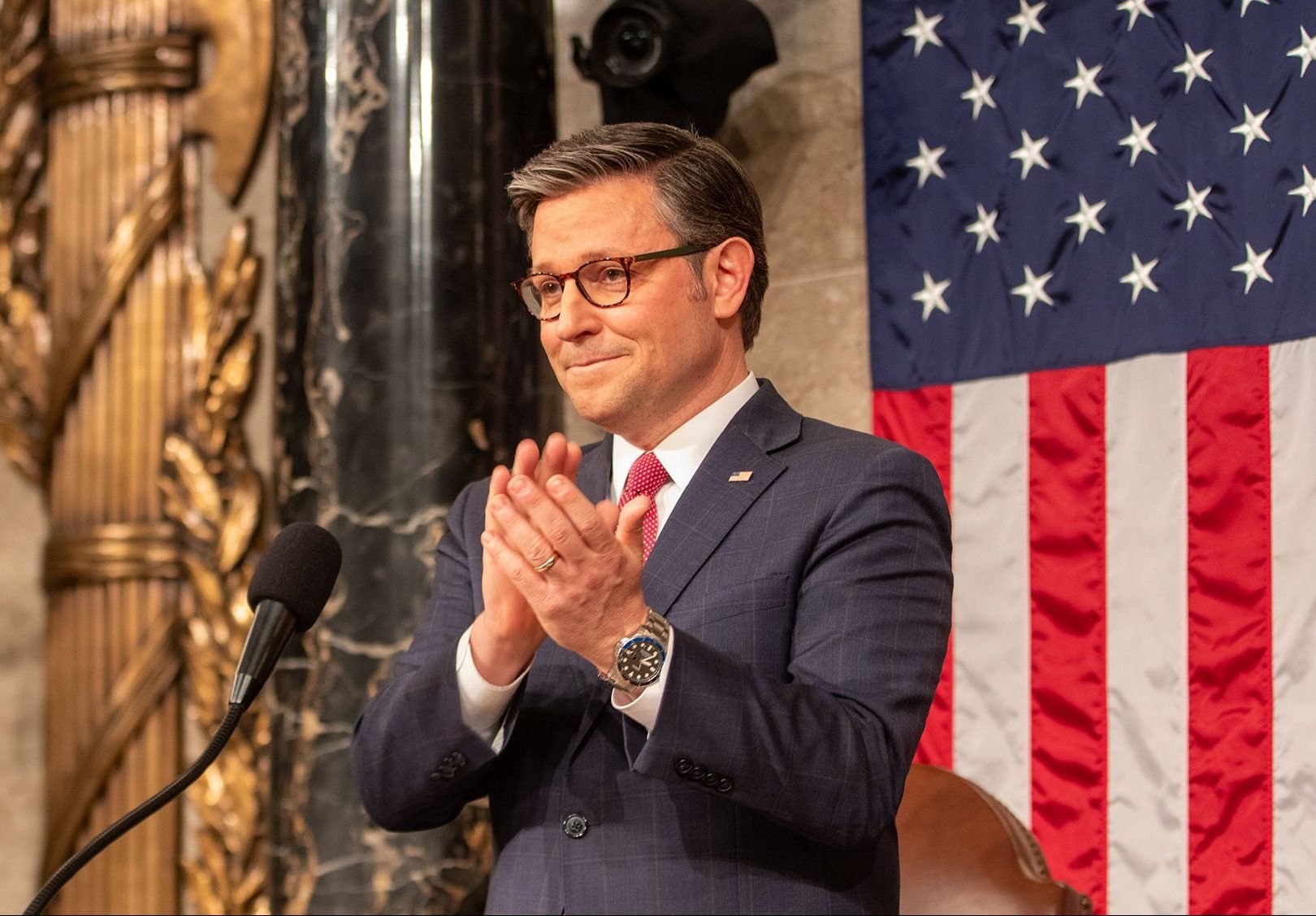
Conservative audiences, however, see courage in naming perceived abuses, arguing that silence enables corruption and that uncomfortable accusations are necessary to trigger overdue investigations and institutional reform.
Social media amplified the moment instantly, with clips, captions, and hashtags transforming a single statement into a viral referendum on truth, loyalty, and the meaning of patriotism.
Algorithms reward outrage, not nuance, ensuring Johnson’s claim travels faster than any careful rebuttal, explanation, or contextual analysis could hope to catch up with.
This dynamic creates a feedback loop: viral anger fuels engagement, engagement fuels visibility, and visibility fuels political capital, regardless of whether underlying claims withstand rigorous scrutiny.
Journalists face a dilemma, torn between reporting controversial statements accurately and avoiding amplification of potentially misleading narratives that could misinform millions within hours.
Legal experts remind audiences that accusations of criminal networks require evidence, due process, and judicial review, not just declarations from powerful microphones or partisan platforms.
Yet history shows that public opinion often moves faster than courts, shaping reputations long before facts are weighed, witnesses examined, or charges formally considered.
The controversy taps into deeper anxieties about surveillance, intelligence agencies, and unelected power, anxieties heightened by decades of secrecy, leaks, and confirmed historical abuses.
For many citizens, distrust did not emerge overnight; it accumulated through scandals, contradictory messaging, and moments where official explanations later proved incomplete or misleading.
Others warn that indiscriminate suspicion risks paralyzing governance, as every policy decision becomes suspect and every official action reframed as evidence of hidden coordination.
Johnson’s statement thus becomes less about Obama specifically and more about competing visions of America: one fearing entrenched control, the other fearing democratic collapse through misinformation.
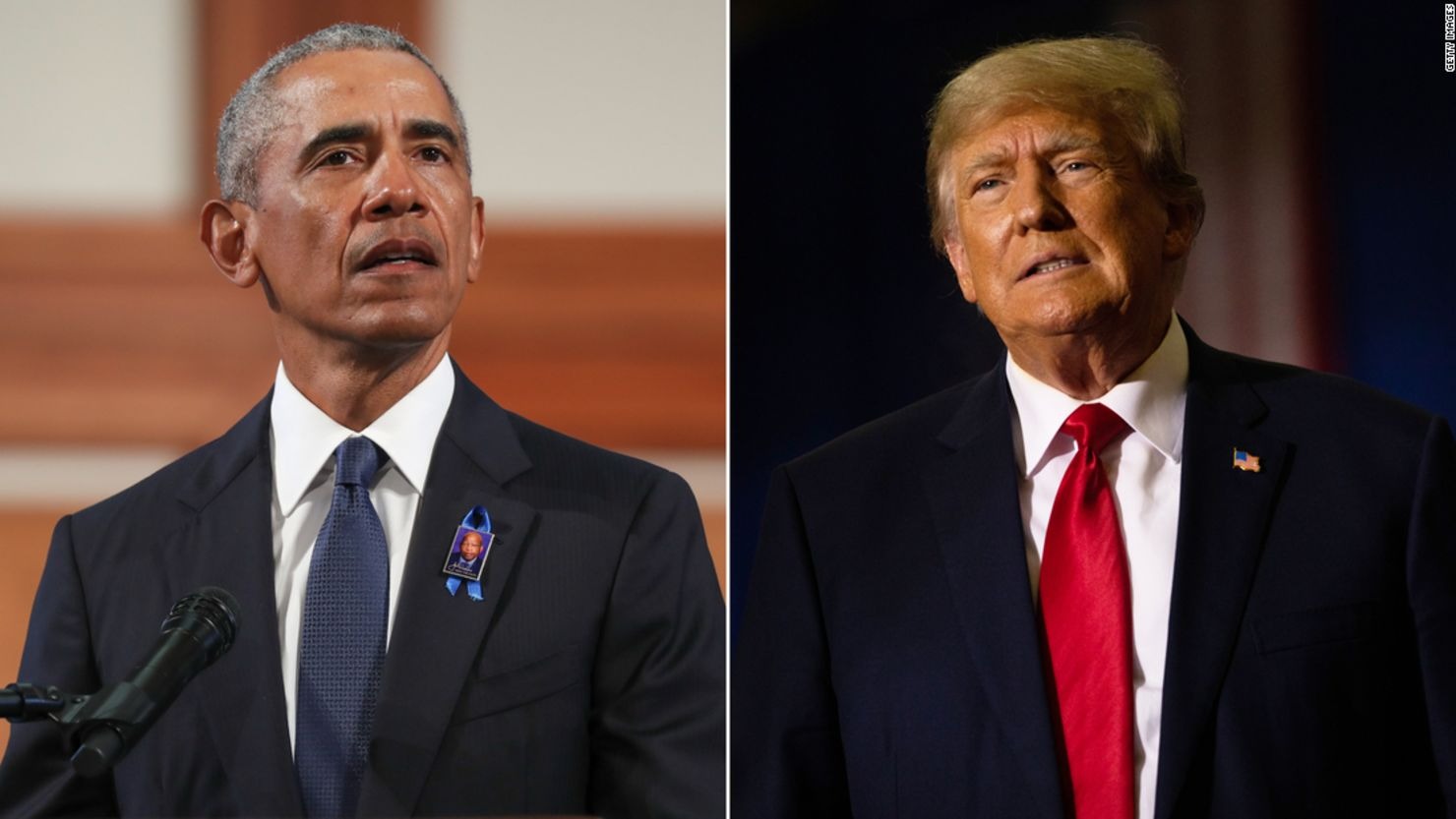
Political strategists note the timing, suggesting such declarations can mobilize bases, shift media agendas, and force opponents into defensive postures during critical legislative or electoral moments.
Whether intentional or not, the claim pressures institutions to respond, either through investigations, clarifications, or public statements reaffirming norms and boundaries of lawful conduct.
Silence may be interpreted as guilt by skeptics, while denial may be dismissed as cover-up, creating a rhetorical trap with few satisfying exits.
International observers watch closely, aware that American political instability reverberates globally, influencing perceptions of democratic resilience and institutional credibility worldwide.
The debate also raises ethical questions about leadership: should elected officials prioritize caution when speaking, or boldness when they believe systems have failed?
There is no consensus, only camps shouting past each other, each convinced the other threatens the nation’s future more profoundly than any alleged secret network.
In this environment, facts struggle to breathe, squeezed between emotional loyalty and algorithmic incentives that reward certainty over curiosity and anger over understanding.
Some citizens respond by disengaging entirely, exhausted by perpetual scandal and accusation, while others double down, consuming ever more partisan content.
The risk is normalization, where extraordinary allegations become routine background noise, dulling public sensitivity to both genuine corruption and genuine innocence.