In a stunning strategic pivot, Canada has fundamentally altered the balance of North American trade power, exposing the United States’ deep-seated dependency on its northern neighbor as renegotiation of the continental trade pact looms. Prime Minister Mark Carney’s announcement of a new Pacific pipeline and a suite of nation-building mega-projects signals Ottawa is no longer willing to operate as a captive supplier to an unpredictable American market.
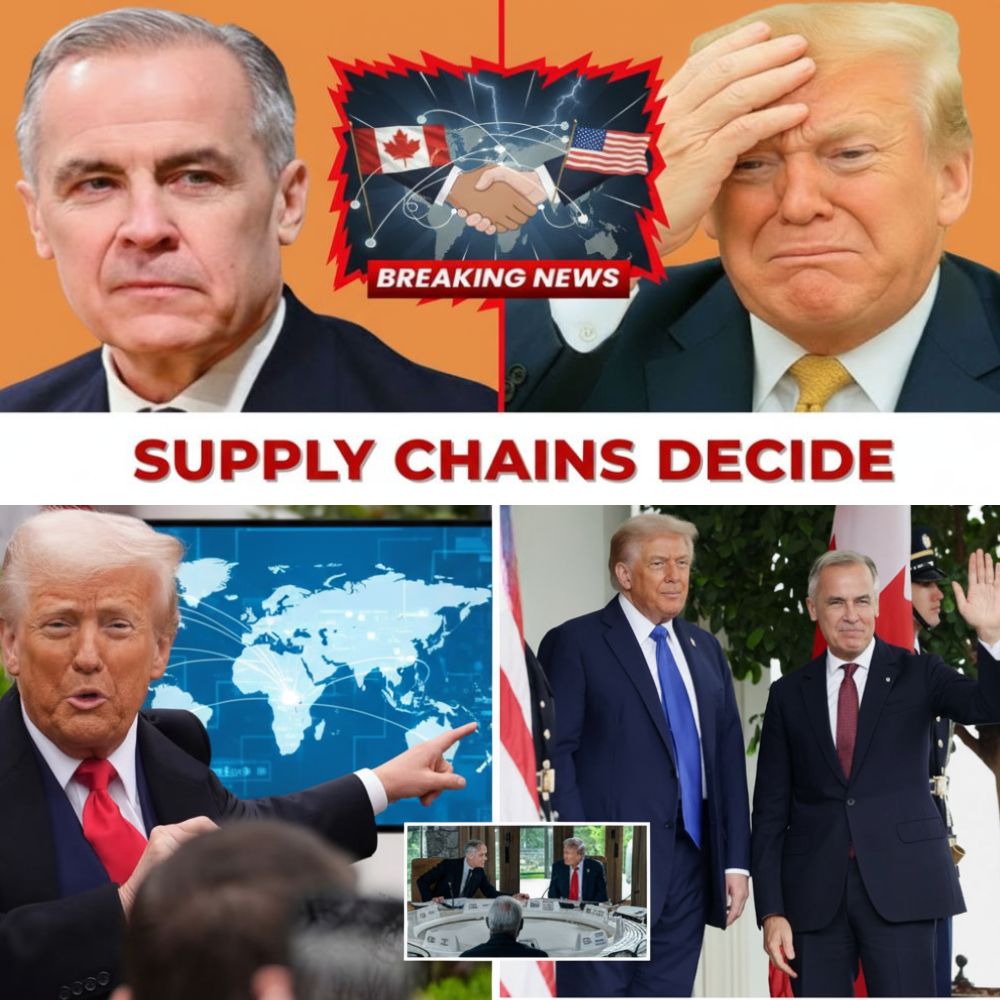
The move directly challenges the leverage-based approach of the Trump administration, which has relied on tariffs and threats in pre-negotiation positioning. U.S. Trade Representative Jameson Greer recently laid out a familiar list of grievances, targeting Canada’s dairy supply management, provincial alcohol restrictions, and digital streaming rules. His testimony demanded concessions for long-term certainty under the CUSMA agreement.
Canadian analysts, however, immediately identified the bluster behind the American stance. The simple, unspoken truth is that the United States relies on Canada as its largest, most stable export destination—a market more valuable than China, Japan, and South Korea combined. This dependency is not merely commercial; it is structural and woven into the very fabric of U.S. industry.
The most potent example is energy. Nearly 70% of all U.S. crude imports originate in Canada, with Gulf Coast refineries specifically engineered to process heavy Canadian oil. No alternative supplier can match the volume, consistency, or geopolitical stability Canada provides. Every Trump tariff threat against this sector sends immediate shockwaves through American markets and refining costs.
This vulnerability extends into critical manufacturing supply chains. U.S. factories depend daily on Canadian auto parts, aluminum, lumber, and agricultural inputs. Earlier tariff reinstatements caused U.S. housing prices to jump, auto manufacturers to warn of rising costs, and grocery chains to face supply disruptions. The pattern is clear: when America taxes Canadian goods, American consumers and businesses pay the price.

Recognizing this dynamic, the Carney government has executed a decisive shift. The centerpiece is a federally fast-tracked pipeline from Alberta to the British Columbia coast, capable of moving one million barrels of oil daily directly to Asian markets. Co-owned with Indigenous partners, the project shatters a decades-old rule that Canadian energy must flow south.
“The U.S. has changed. That’s their right. We must respond. That is our imperative,” Carney stated, framing the move as a necessary recalibration. The project, alongside a trillion-dollar investment strategy in clean power, critical minerals, and AI infrastructure, is designed to build a diversified economy independent of Washington’s political cycles.
The strategic calculus is profound. By creating a direct export corridor to Asia, Canada diminishes the near-monopsony the United States held over its heavy crude. It transforms a historic vulnerability into a source of strength, granting Ottawa unprecedented leverage in upcoming talks. Washington loses its ability to treat Canada as a captive supplier.
This boldness is amplified by a series of simultaneous mega-project announcements. They include a clean energy surge with rapid tax incentives, a major Inuit-owned hydro project in the Arctic to assert sovereignty, and the Northwest Critical Conservation Corridor to unlock mineral wealth. A new sovereign fund will accelerate development of nickel, graphite, and tungsten mines.
Each project reinforces a single narrative: Canada is building for the next century on its own terms. While the Trump administration employs tariffs and volatility, Canada is investing in stability, indigenous partnership, and long-term infrastructure—assets that global investors and trade partners are actively seeking.
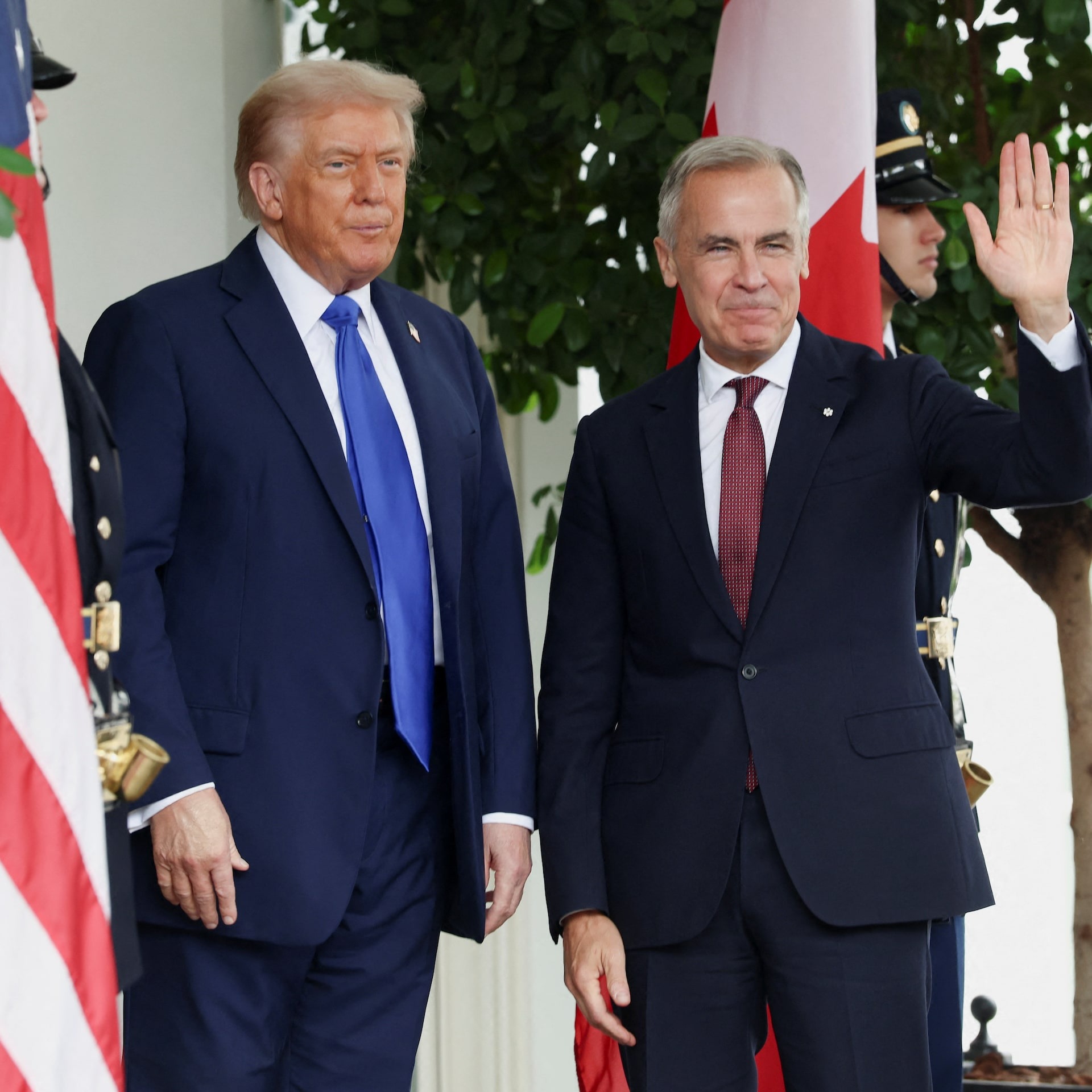
The energy leverage extends beyond oil. Canada is the largest foreign supplier of electricity, oil, and natural gas to the United States. Regions like New England and the Midwest rely on Canadian power imports for grid stability, especially during peak demand. The new “Wind West” initiative in Atlantic Canada could generate 66 gigawatts of offshore wind power, far beyond domestic needs.
This positions clean electricity as a potential strategic tool. With the U.S. facing an acute power crunch due to exploding data center and AI industry demand, and with Trump simultaneously blocking U.S. offshore wind development, access to Canadian electricity becomes a critical bargaining chip. It directly impacts Trump’s core goals of reshoring manufacturing and winning the AI race. The contrast in approaches could not be starker. Washington’s strategy is perceived as impatient, transactional, and insecure, relying on the assumption that every partner needs the U.S. market more. Ottawa’s response has been to calmly demonstrate that assumption is false, showcasing strategic options and structural advantages it has quietly cultivated.
For the first time in a generation, Canada enters a North American negotiation not as a junior partner pleading for stability, but as a confident nation with real alternatives. The nation has spent years deepening ties with Europe, Asia, and South America, with an estimated 30% of recent export growth now originating outside the United States. The impending CUSMA renegotiation in 2026 will now unfold on fundamentally altered terrain. The United States can list irritants and threaten tariffs, but it cannot easily replace Canadian energy, stabilize its northern grid without Canadian power, or reconfigure supply chains built over decades of integration.
Canada has called the United States’ trade bluff by revealing the profound interdependence Washington often downplays. The question is no longer whether Canada can withstand U.S. pressure, but whether the United States is prepared to negotiate with a neighbor that finally understands—and is willing to wield—its considerable economic leverage. The era of unquestioned dependence is over.