WASHINGTON—In a stunning admission of strategic weakness, U.S. Trade Representative Jameson Greer’s demands for renegotiating the continental trade pact have laid bare a profound power shift, revealing Canada’s entrenched leverage and Washington’s dwindling capacity to dictate terms. His closed-door testimony to Congress on December 17, 2025, did not issue ultimatums; it cataloged Canadian victories.
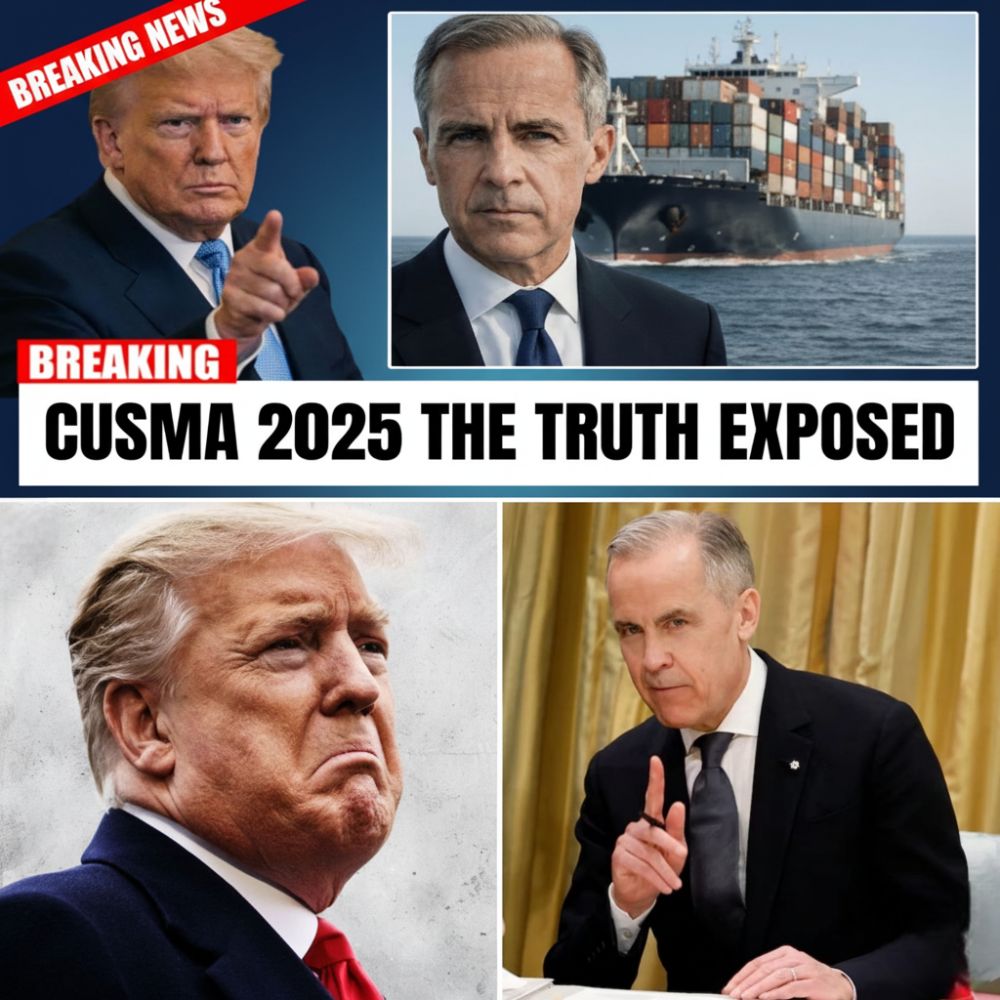
Tensions escalated on Capitol Hill as Greer presented a list of Canadian policies Washington insists must change for a renewed CUSMA. The document, however, reads as an inventory of successful Canadian sovereignty, exposing American desperation rather than strength. Analysts expected Canadian capitulation under Trump-era tariffs; they witnessed its defiance.
The conditions target core pillars of Canadian economic independence: dairy supply management, the Online Streaming Act, provincial alcohol restrictions, and procurement rules in Ontario, Quebec, and British Columbia. Each item represents a policy effectively protecting national interests, costing American industries billions and infuriating Washington.
Greer’s focus on Canada’s dairy system is particularly telling. He demands greater U.S. market access, alleging Canadian exports undercut American producers. The unspoken truth is that Canada’s supply-managed system works with efficient precision, protecting farmers while producing globally competitive goods. American dairy lobbies seek its dismantlement because they cannot match its quality or consistency.
On cultural policy, Greer labeled Canada’s streaming legislation discriminatory. In reality, the rules compel global giants like Netflix and Spotify to invest directly in Canadian content creation. This policy ensures Canadian stories survive the digital deluge, turning American platforms into funders of Canadian culture—a model of enforceable sovereignty in the 21st century.
Perhaps the most revealing demand concerns provincial alcohol restrictions. These measures, a coordinated retail retaliation against U.S. tariffs on steel and aluminum, have cratered sales for brands like Jack Daniel’s by over 60%. Washington’s inclusion of this item confirms provincial power: Canadian regions can unite and inflict distributed economic pain that bypasses federal negotiation channels.
Greer also cited “discriminatory” procurement policies and “complicated” customs registration. These are not arbitrary barriers but exercises in fiscal responsibility and border security. Canadian provinces are prioritizing local suppliers for infrastructure projects, while border procedures enforce national standards—a straightforward assertion of sovereign right.
Structurally, Greer’s testimony conceded CUSMA’s overall success, noting a 56% surge in U.S. exports since 2020 and overwhelming support from American business and labor groups for its continuation. Yet he argued a “rubber stamp” is not in the U.S. national interest, implicitly admitting the current deal benefits Canadian autonomy too much.
This moment culminates a year of failed pressure. After Trump re-imposed Section 232 tariffs in March 2025, predictions of a quick Canadian collapse proved false. Instead, provinces enacted alcohol restrictions, Prime Minister Mark Carney removed retaliatory tariffs and a digital services tax strategically, and Canadian resolve only hardened.
Greer’s list now serves as an unintentional gift to Ottawa—a detailed map of its own leverage. It reveals which policies are most effective and underscores Washington’s lack of a credible enforcement mechanism. The U.S. cannot force these changes without Canadian cooperation, and cooperation requires reciprocal American concessions not yet offered.
The underlying assumption of decades of Canadian trade policy—that American market access was paramount—is now obsolete. Canada’s economy is diversifying, its public supports standing firm, and its leadership under Carney negotiates from interdependence, not desperation. Greer operates on an outdated premise that Canada needs the deal more.
What comes next will be a surgical Canadian response. Ottawa will engage where interests align and hold firm where they do not, using Greer’s own transparency to calibrate its strategy. The coming months will determine whether North American trade operates on American terms or Canadian principles.
For the first time, Washington has publicly admitted it is not sure of the outcome. The nation that believed it could dictate terms has instead revealed every pressure point its neighbor successfully exploits. Canada no longer asks permission to protect its priorities; it acts, and when Washington complains, it reminds them that sovereignty is fundamental.
This analysis is based on public congressional testimony and official reporting. The conclusions mark a definitive turn: the era of American trade dominance in North America is fracturing, replaced by a new reality of Canadian strategic independence. The negotiation has just begun, but the power shift is already undeniable.