ZURICH — In a stunning escalation of geopolitical tensions, more than 50 nations have declared a coordinated boycott of the 2026 World Cup, plunging FIFA into crisis and threatening to unravel the most ambitious sporting event in history. The boycott, announced simultaneously across four continents overnight, has already wiped an estimated $20 billion in projected economic value from the tournament, which was scheduled to be hosted across the United States, Canada, and Mexico.
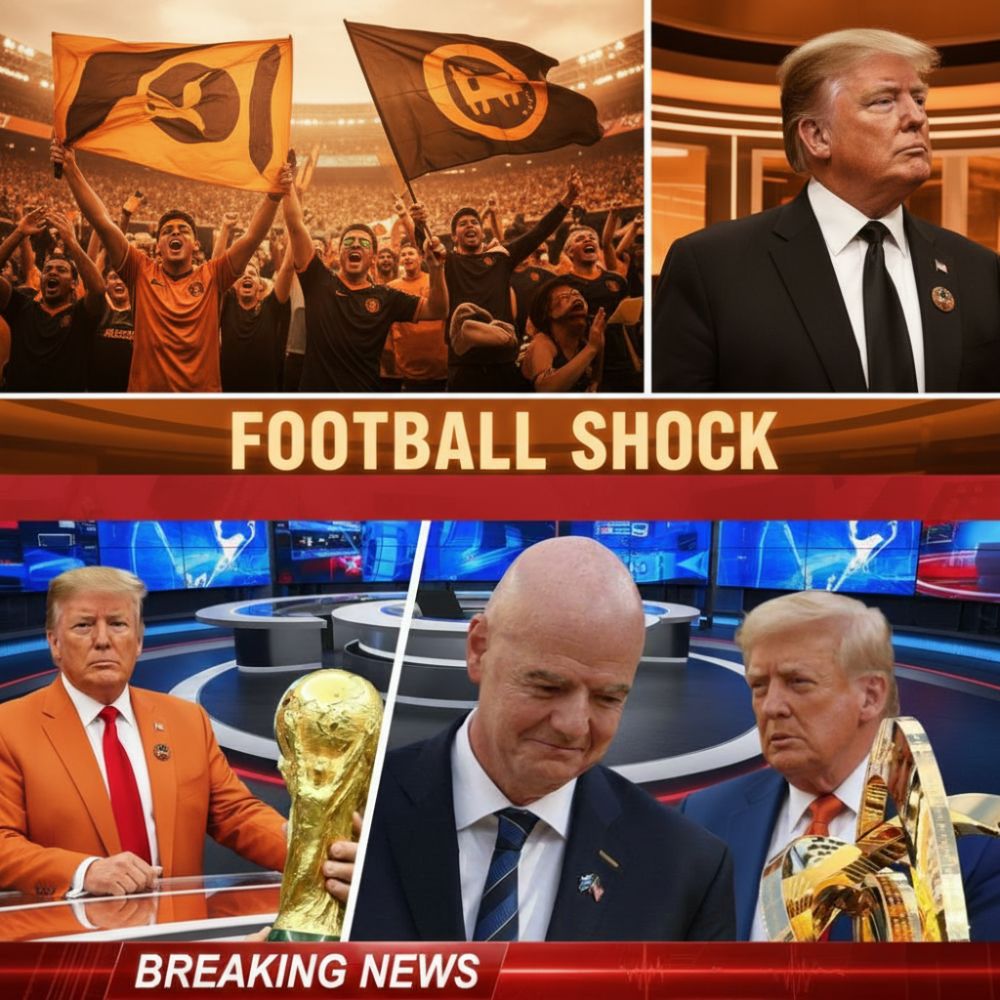
The boycott caught FIFA President Gianni Infantino completely off guard. According to multiple officials present at the governing body’s headquarters in Zurich, Mr. Infantino was summoned from a closed-door meeting on commercial rights shortly after midnight to receive news that a coalition of nations spanning Europe, Asia, Africa, and South America would not participate in the tournament.
“He was screaming for answers,” said one FIFA official who spoke on condition of anonymity to describe the scene. “No one saw this coming. There was no warning, no diplomatic backchannel. It was a coordinated ambush.”
The timing of the boycott is particularly devastating. With less than two months until the opening match, stadium operators across North America had already sold hundreds of thousands of tickets. Broadcasters had committed more than $3 billion in rights fees. Sponsors, including some of the world’s largest multinational corporations, had built marketing campaigns around the tournament that will now likely be scrapped.
The economic shockwaves are expected to be swift and severe. The United States, which was slated to host 60 of the tournament’s 80 matches, faces a projected loss of more than $5 billion in tourism and hospitality revenue, according to preliminary estimates from industry analysts. Hotels in host cities from Los Angeles to New York reported mass cancellations within hours of the announcement.
For Canada and Mexico, the blow is equally acute. Both nations had invested heavily in stadium upgrades and infrastructure projects in anticipation of co-hosting the event. Canadian officials scrambled Saturday morning to assess the damage to Toronto and Vancouver, while Mexican tourism authorities in Guadalajara and Monterrey faced a wave of reservation cancellations.
The boycott stems from a political dispute that FIFA had largely sought to ignore. The coalition of nations — which includes major football powers such as Germany, France, Spain, Brazil, Argentina, Japan, South Korea, and a bloc of more than 30 African nations — has cited concerns over host country policies, though the precise trigger for the coordinated action remains a subject of intense speculation among diplomats.
“We cannot in good conscience participate in a tournament hosted under conditions that violate the principles our nations hold fundamental,” a joint statement issued by the coalition read. The statement, released simultaneously in Berlin, Brasília, and Tokyo, offered no further elaboration, leaving FIFA and host nations scrambling for clarity.
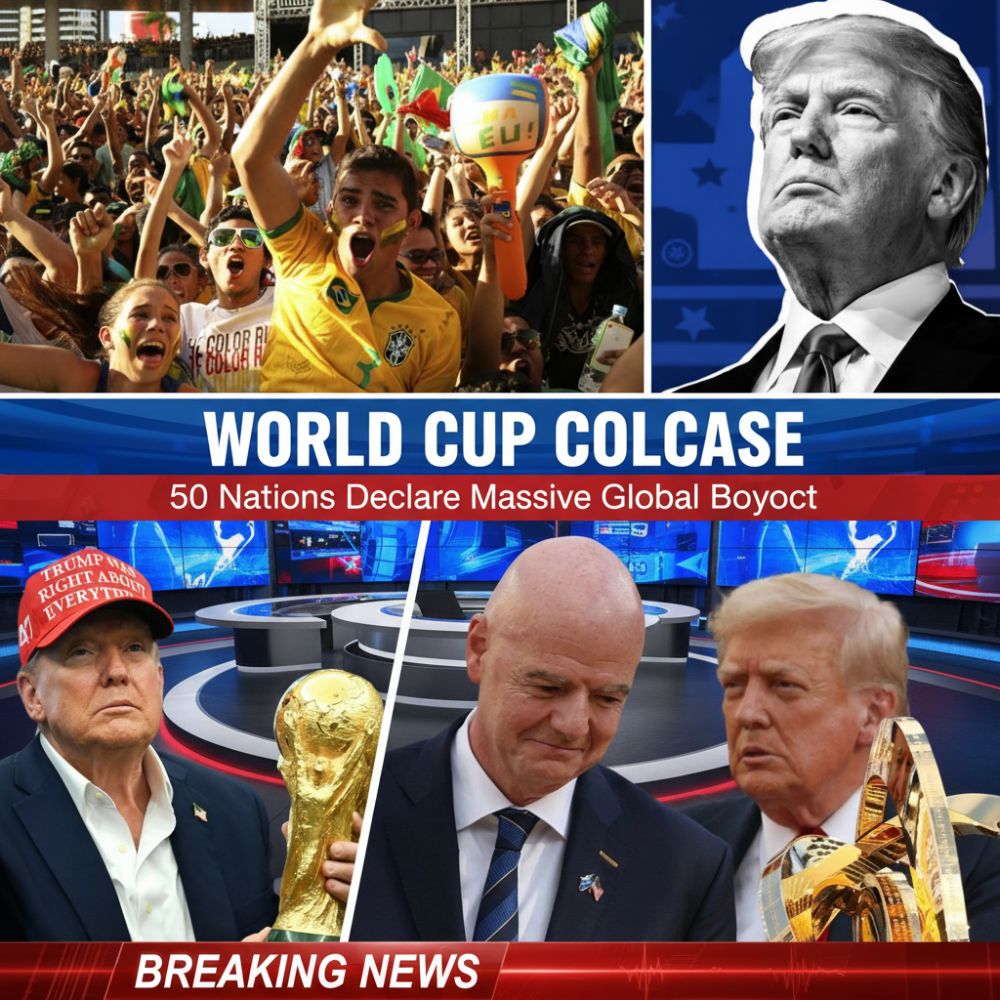
The absence of more than 50 nations transforms the World Cup from a global spectacle into a regional event. Under FIFA rules, the tournament requires a minimum of 32 participating teams to maintain its official status. With more than half of the qualified nations now refusing to participate, the 2026 tournament as originally conceived has effectively ceased to exist.
FIFA’s commercial apparatus is collapsing under the weight of the crisis. Three major sponsors, including a multinational beverage company and two global automotive manufacturers, have already announced they are suspending their partnerships. Broadcasting deals in Europe and Asia, valued at billions, are now void, as the networks have no tournament to air.
The fallout extends far beyond FIFA. In North America, the hospitality and travel sectors had pinned their recovery on the World Cup. Airlines had added routes. Restaurants had hired staff. Construction projects tied to tournament timelines now face uncertain futures.
Mr. Infantino, who rose to power on promises of expanding FIFA’s commercial reach and political influence, now faces the greatest crisis of his tenure. For years, he cultivated relationships with governments and corporate partners, projecting an image of a leader who could navigate football through turbulent geopolitical waters. That reputation is now in tatters.
European football powers, which form the core of the boycott coalition, have long chafed at FIFA’s governance and Mr. Infantino’s leadership. Their decision to join a boycott that includes nations from South America and Africa suggests a coordinated front that FIFA’s usual divide-and-conquer diplomacy cannot penetrate.
The White House, which had championed the World Cup as a showcase of North American unity and economic vitality, has yet to issue a formal response. But officials familiar with the administration’s thinking said the boycott represents a diplomatic humiliation that will likely trigger retaliatory measures against participating nations.
For the host cities, the reality of the situation is only beginning to set in. Stadiums built for the tournament stand ready, their fields manicured, their suites furnished. But without the world’s best teams, without the global audience, without the economic engine that was supposed to power them for a month, they now face a future that no one involved had contemplated.
FIFA’s emergency executive committee is scheduled to convene on Sunday. But with more than 50 nations refusing to participate and sponsors fleeing, there may be little left to save. The 2026 World Cup, once envisioned as the largest sporting event in human history, now stands on the brink of collapse.