A seismic shift in North American relations is underway as Canada reels from a sudden and sweeping U.S. border security decree, triggering a historic national crisis and exposing deep vulnerabilities. The implementation of stringent new U.S. entry requirements has collapsed decades of assumed trust, forcing Ottawa into an unprecedented emergency mobilization at the world’s longest undefended border.
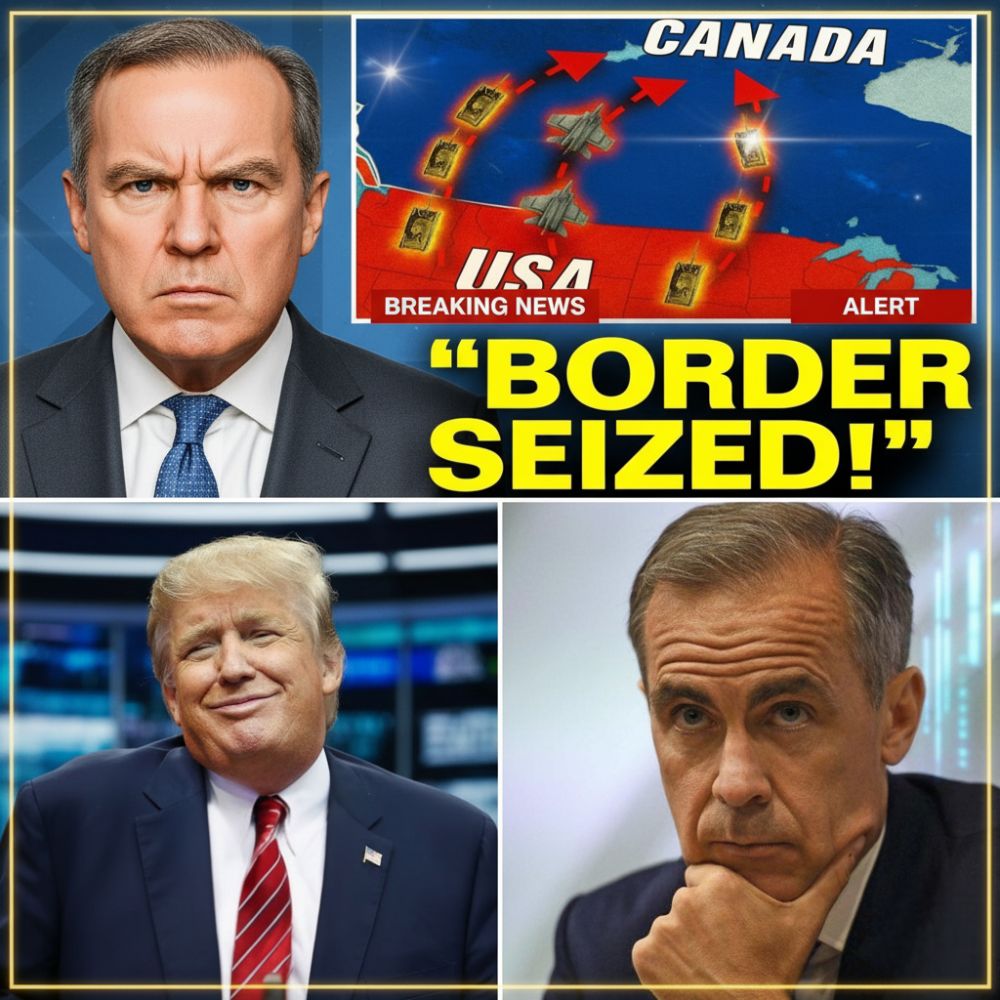
President’s executive order mandates rigorous registration for foreign visitors staying beyond 30 days, including mandatory fingerprinting and photographs. This policy, effective December 26th, dismantled what had functioned for generations as a handshake agreement between neighbors. The comforting language of a “friendly border” has been replaced by the hard reality of enhanced screening and verification.
The immediate consequences were severe and multifaceted. Trade penalties escalated rapidly, with tariffs on Canadian goods hitting 25% by February 2025 and climbing to a record 35% by July. This move, enacted under U.S. national emergency economic powers, injected nearly $2 billion daily into American coffers at its peak, applying brutal financial pressure that Ottawa could not ignore.
Canada’s response has been the largest security deployment in its history. Over 10,000 personnel have been deployed along the frontier, supported by a $1.3 billion emergency investment in border reinforcement. The landscape now features Blackhawk helicopters, military-grade drones, and surveillance towers, transforming a 4,000-mile symbolic line into a hardened security zone.

Intelligence warnings from early 2025 proved tragically accurate. Mexican cartels, exploiting years of lax interdiction and porous visa screening, had established industrial-scale synthetic drug laboratories on Canadian soil. The northern corridor became a primary artery for fentanyl entering the United States, a redesign of the continental trafficking map that Ottawa was slow to acknowledge.
Border data reveals the staggering scale of the prior blind spot. Over 70% of intercepted southbound migrants carried criminal records, with the remainder already in the U.S. illegally, indicating a highly organized movement. Once enforcement arrived, illegal crossings dropped by 90% and asylum claims fell 80%, exposing systemic reliance on procedural gaps.
The economic shock has laid bare Canada’s fiscal fragility. Key sectors like steel and manufacturing absorbed immediate hits, collapsing federal revenue projections. This stress amplified the looming crisis of Old Age Security, a program projected to cost $276 billion by 2060, highlighting a budget with a vanishing margin for error.
A stark internal divide emerged within Canada under the pressure. Alberta’s oil and gas exports faced a preferential 10% tariff ceiling while other industries faced the full 35%. This differential treatment, recognizing Alberta’s strategic energy leverage, has intensified regional resentment and fueled separatist sentiment ahead of a critical independence referendum window.
The sovereignty implications are profound. Canada’s chronic underinvestment in defense has deepened its operational dependence on the United States. Arctic defense and missile integration initiatives are increasingly aligning Canadian systems with U.S. command frameworks, narrowing Ottawa’s independent decision-making space through sheer necessity.
Enforcement is yielding dramatic results. Canada announced a 600% increase in visa fraud investigations, while drug seizure rates have climbed sharply with new detection technology. Criminal networks that operated for decades have collapsed under coordinated military-grade surveillance and interdiction, proving the threat was vast and long-ignored.
The fury in Ottawa stems from a loss of control and a shattered narrative. Canadian taxpayers are funding a border transformation whose strategic direction originates externally. The episode marks a permanent realignment where Canadian policy is now shaped by acute pressure rather than partnership preference, rewriting decades of continental assumptions in a matter of months.