Washington — Emerging discussions about changes in health supply chains between the United States and Canada are drawing scrutiny from policymakers and analysts, though officials caution that claims of a sudden large-scale disruption remain unverified.
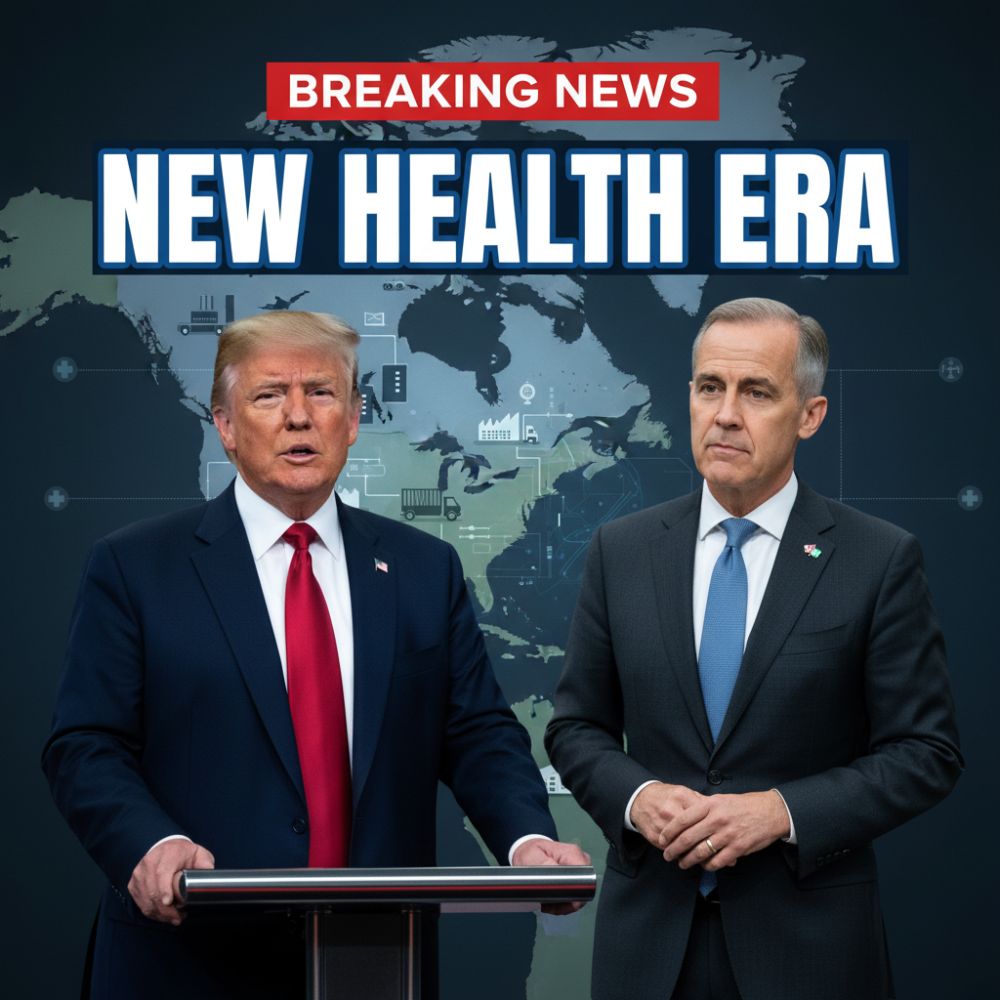
The conversation has been fueled by reports suggesting that Canada may be reassessing how it allocates critical medical resources, potentially prioritizing domestic needs and alternative international partnerships. While no formal announcement has confirmed a sweeping policy shift, the idea of a recalibration has sparked debate about the resilience of cross-border health systems.
The issue has taken on added significance given the deeply integrated nature of North American supply chains, particularly in pharmaceuticals, medical equipment and raw materials. For decades, the United States and Canada have relied on close coordination to ensure steady access to essential supplies.
Recent commentary has linked these developments to broader political tensions, including rhetoric from Donald Trump regarding trade and tariffs. However, analysts say that structural factors—rather than any single political decision—are more likely to drive long-term changes in supply strategies.
“This is less about a sudden break and more about gradual adaptation,” said a global health policy expert. “Countries are rethinking how dependent they want to be on any one partner.”
Canadian officials have emphasized the importance of health security in recent years, particularly in the wake of the Covid-19 pandemic, which exposed vulnerabilities in global supply chains. Efforts to increase domestic production capacity and diversify sourcing have become central to that strategy.
At the same time, Europe has emerged as an increasingly important partner in health-related trade and collaboration. Agreements and regulatory alignment across European markets have created opportunities for expanded cooperation, though experts note that such relationships typically develop over time rather than through abrupt shifts.
“There’s no evidence of supplies simply ‘vanishing overnight,’” said an economist specializing in healthcare logistics. “What we are seeing are incremental adjustments that can appear dramatic when viewed out of context.”
In the United States, concerns about supply stability have prompted renewed attention to domestic manufacturing and stockpiling. Policymakers have highlighted the need to reduce vulnerabilities, particularly for critical items such as personal protective equipment, pharmaceuticals and medical devices.
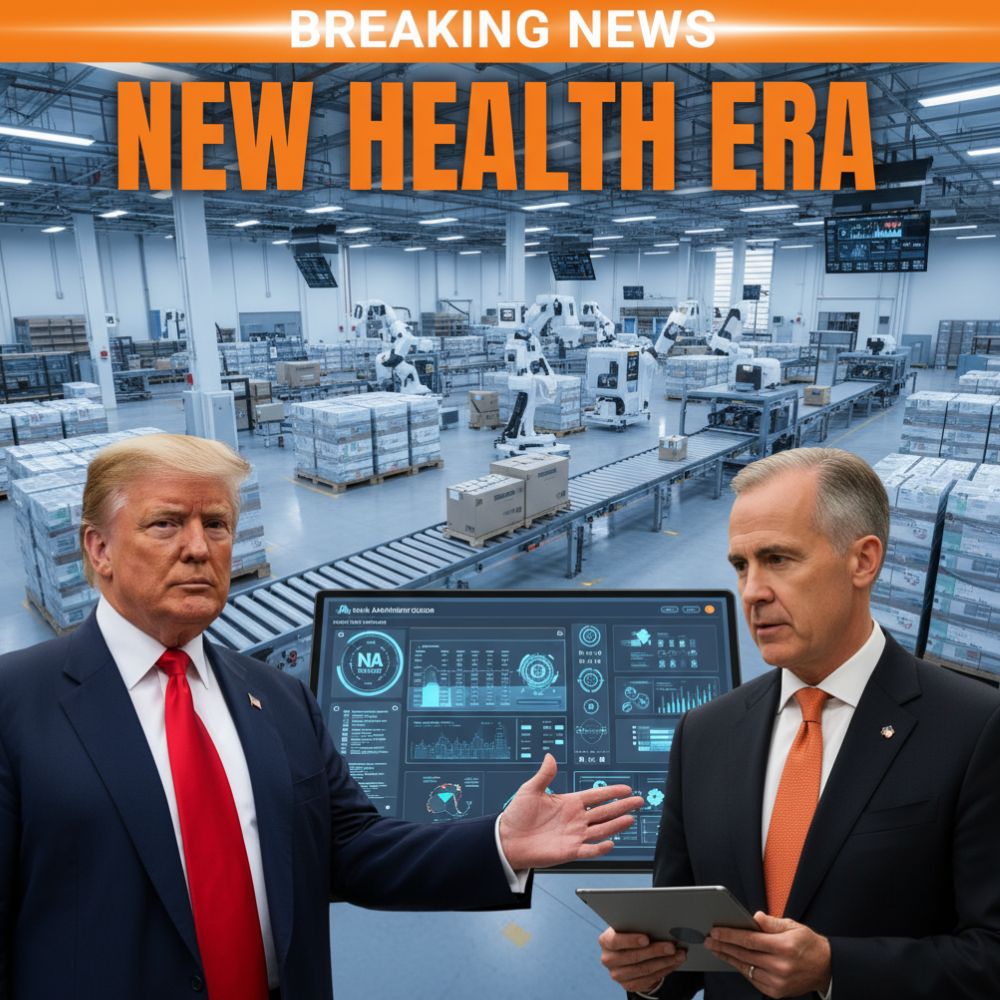
Industry leaders, meanwhile, have called for clarity. Companies operating across borders rely on predictable frameworks, and uncertainty—whether driven by policy or perception—can complicate planning and investment decisions.
“Healthcare supply chains are complex and highly coordinated,” said a pharmaceutical executive. “Even small changes can have ripple effects.”
The broader economic implications are also under consideration. Healthcare represents a significant portion of cross-border trade, and shifts in sourcing or distribution could influence costs, availability and innovation.
Despite the heightened attention, officials in both countries have indicated that cooperation remains ongoing. Existing agreements continue to govern trade, and there has been no formal indication of a breakdown in coordination.
Still, the episode underscores a changing global landscape. As countries place greater emphasis on resilience and self-sufficiency, long-standing assumptions about trade relationships are being reexamined.
For analysts, the key question is not whether change is occurring, but how quickly and to what extent it will reshape established systems.
“This is a period of transition,” said a policy researcher. “The challenge is managing that transition without creating unnecessary disruption.”
As discussions continue, the gap between dramatic narratives and verified developments remains a central theme. While the idea of a sudden crisis has captured attention, the underlying reality appears to be more gradual—and more complex.
In a system as interconnected as global healthcare, even incremental shifts can carry significant consequences. But for now, the foundations of cooperation between the United States and Canada remain in place, even as both sides navigate an evolving set of priorities