A quiet but powerful alliance is emerging across the Pacific — one that could reshape global supply chains and redefine how middle powers influence the world economy. Canada and Australia, long seen as friendly competitors in mining and resource exports, are now moving toward something far more strategic: a coordinated push to become a critical-minerals superpower.
🤝 A Partnership Forged by Global Uncertainty
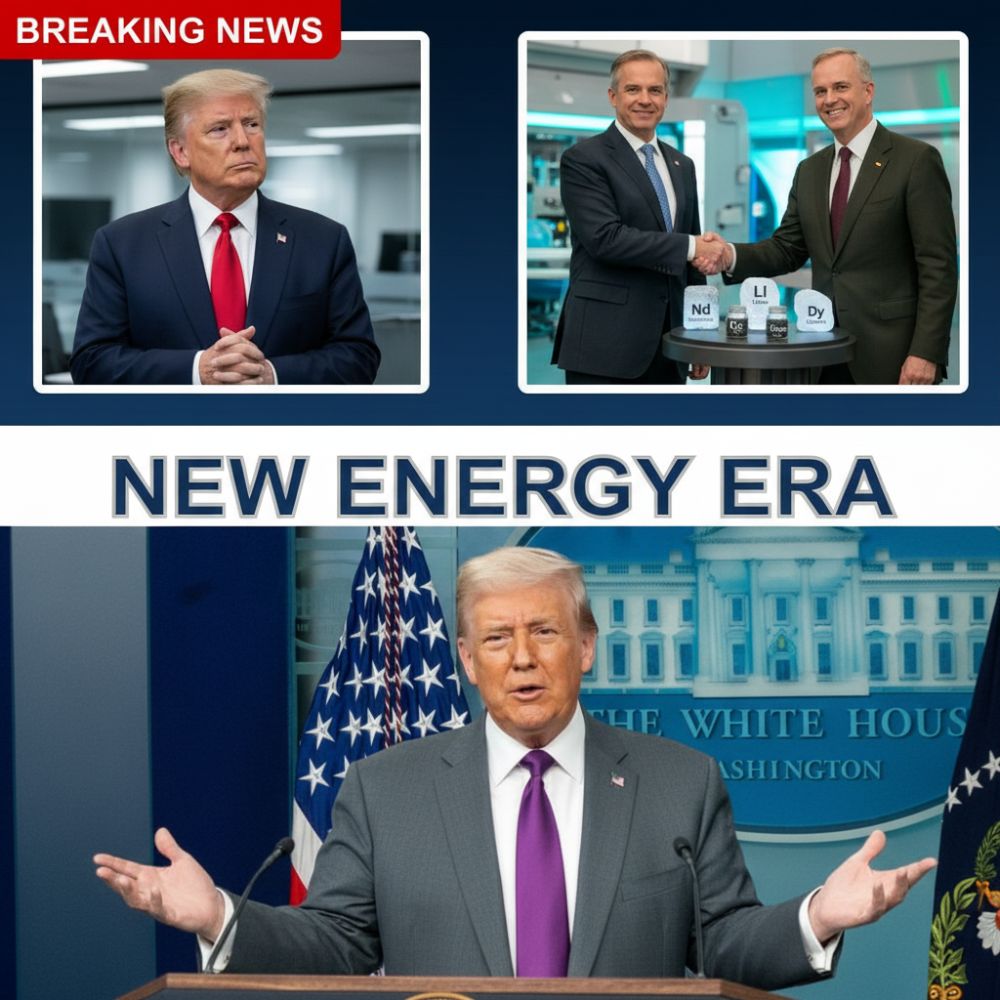
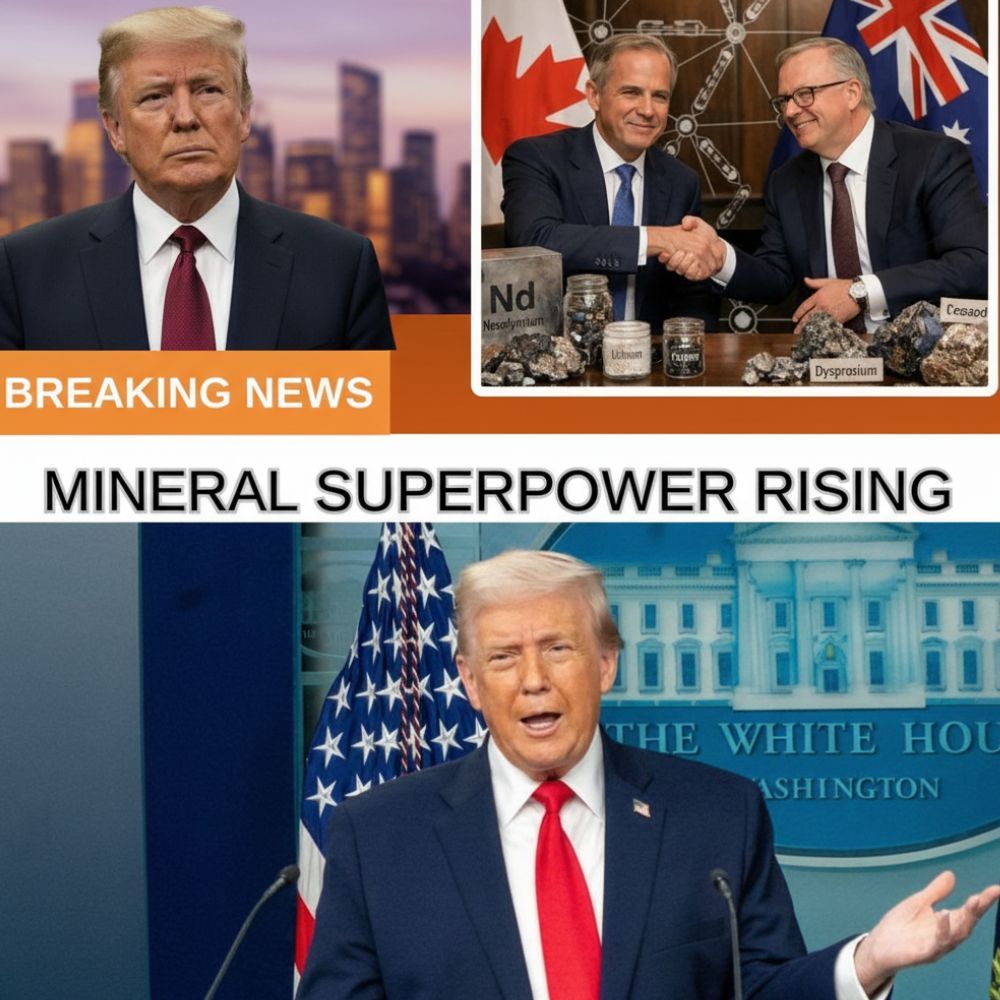
The shift gained momentum as Canadian Prime Minister Mark Carney traveled to Australia for a high-profile diplomatic visit, meeting with his counterpart Anthony Albanese.
Both leaders share a growing concern that geopolitical volatility, trade disruptions, and supply-chain concentration are changing the rules of the global economy. Their message is simple: mid-sized democracies must collaborate more closely or risk losing influence in a world increasingly shaped by resource security.
⛏️ The Strategic Power of Critical Minerals
Copper, lithium, nickel, cobalt, graphite, and rare earth elements are now considered the backbone of modern industrial power. These materials are essential for electric vehicles, renewable energy systems, semiconductors, and advanced defense technologies.
According to analysis from the Australian Strategic Policy Institute, Australia and Canada possess uniquely complementary strengths. Together, they host a large share of the world’s mining firms and dominate global exploration financing through major capital markets in Toronto and Sydney.
Rather than competing for investment and export markets, policymakers increasingly view collaboration as a way to build resilient supply chains that reduce dependence on single dominant suppliers.
🌐 Supply Chains, Security, and Market Leverage
The global race for minerals is not simply about economic opportunity — it is also about geopolitical leverage. Concentration in refining capacity and mineral processing has raised concerns among industrial nations about potential supply disruptions during diplomatic or military crises.
By coordinating investment strategies, sustainability standards, and infrastructure development, Canada and Australia aim to offer an alternative supply network grounded in democratic governance, transparent regulation, and environmental oversight.
Such positioning could prove attractive to partners in Europe and East Asia seeking stable long-term access to strategic resources.
📊 From Agreements to Action
Although both countries have signed numerous international mineral cooperation agreements over the years, many remained aspirational rather than operational. Recent initiatives suggest a shift toward more concrete collaboration — including joint exploration efforts, financing mechanisms, and plans to develop shared sustainability frameworks for mining practices.
If implemented effectively, these measures could give companies from both nations a competitive edge in markets increasingly sensitive to ethical sourcing and environmental performance.
🔮 A New Model for Middle-Power Influence
What makes the Canada–Australia partnership notable is that it reflects a broader evolution in global power dynamics. Influence in the 21st century may depend less on traditional military strength and more on control over critical industrial inputs.
By aligning resource strategies and building trusted supply chains, the two countries are attempting to shape the economic architecture of the clean-energy transition and advanced manufacturing era.
Whether this effort ultimately transforms global markets remains uncertain — but it signals that resource diplomacy is becoming a central pillar of international strategy.