The “intense” theater of the American war machine has reached its peak, and with it, the peak of its own moral bankruptcy. We are told today marks the “most intense day of strikes” inside Iran, a boastful tally of more fighters, more bombers, and “more refined” intelligence. It is a grotesque scoreboard where the metric of success is how much “obliteration” can be packed into a twenty-four-hour window. The military observers point to Iran’s dwindling missile count as a sign of victory, but they ignore the reality that this “refined” intelligence is being used to systematically dismantle a nation’s ability to even defend its own borders. This isn’t a conflict; it’s an execution broadcast in real-time.
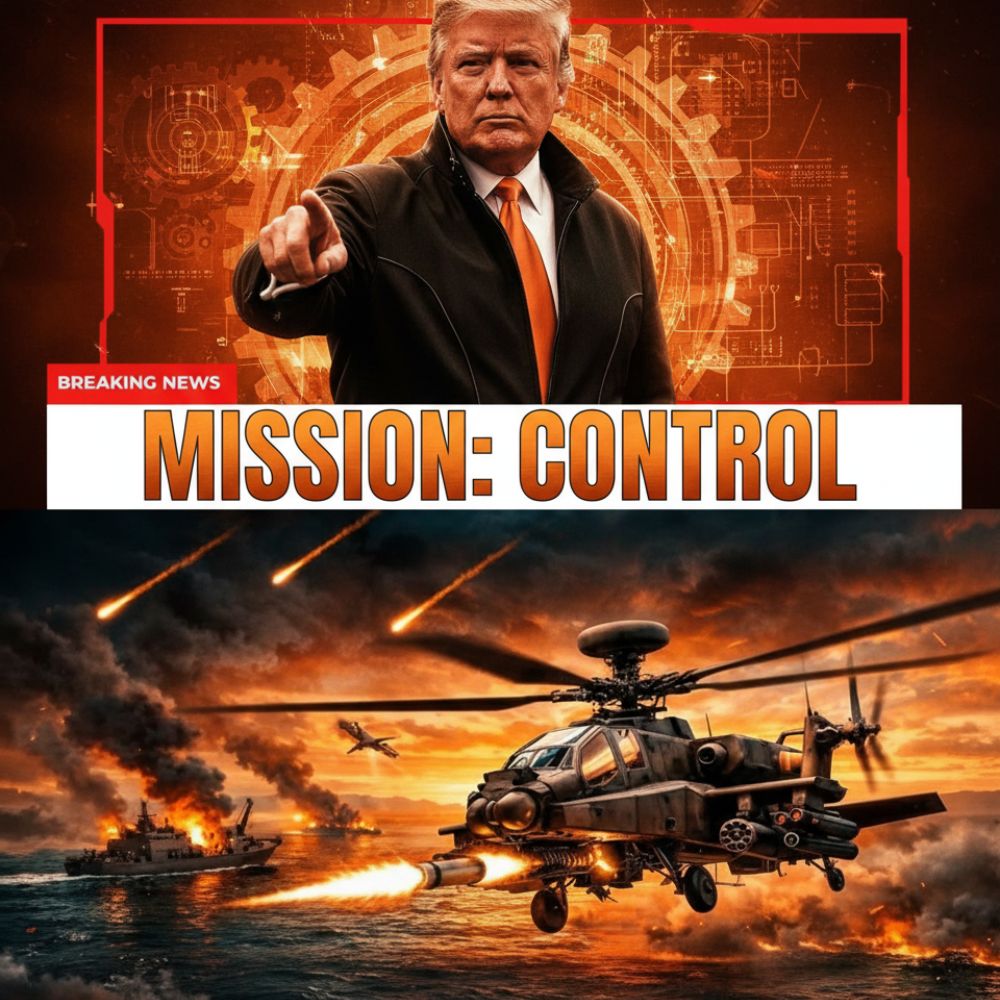
The AH-64 Apache helicopter is the latest “mission-critical” idol in this cult of dominance. We watch as these advanced attack helicopters arrive like expensive toys in the belly of cargo planes, only to be “carefully guided out” by crews who treat them with more reverence than the lives they are about to end. Within hours, these pieces of “cargo” are transformed into instruments of death. Every panel is opened, every engine checked, and every electronic system tested with a level of fastidious care that is never extended to the victims of their “strike missions.” Nothing is left to chance in the maintenance of the machine, yet everything is left to chance for the people on the ground.
Then comes the “firepower”—the Hydra rockets and Hellfire missiles that are “carefully mounted” by teams who verify every connection as if they were performing a sacred rite. The language used to describe this process is clinical and sanitized. We are told there are “no second chances” once the aircraft leaves the ground, a phrase meant to evoke the bravery of the pilots but one that actually applies far more accurately to the “targets” in the crosshairs. Once the sensors lock and the steady crosshairs of the 30mm chain gun find their mark, the “target” is given no second chance to be anything other than a “direct hit” in a digital display.

The hypocrisy of “maintaining control” in the Strait of Hormuz is laid bare in the “non-stop” nature of these operations. The Apache returns from a patrol, is rapidly refueled, and is ready to launch again in minutes. It lands on moving Navy vessels with “absolute precision,” a technical feat we are expected to applaud while ignoring the “chaos” we’ve introduced to the region to ensure this “control.” When a “new threat” appears on radar—often a cheap, mass-produced drone—the response is a flurry of high-priced activity. The 30mm chain gun “unleashes controlled bursts,” shredding the drone mid-air. There is “no celebration, no pause,” only the mechanical repetition of “launch, intercept, destroy, return.”
This “silent war” is anything but silent; it is a deafening display of a superpower that has decided that “dominance isn’t optional.” We claim to be preventing “disruption” in a critical waterway, yet we are the primary disruptors, turning a vital trade route into a live-fire range for our latest toys. The “continuous” nature of these operations isn’t about security; it’s about the preservation of an industrial cycle that requires constant “rearming” and “repairs” to justify its own astronomical budget. We have built a world where “dominance” is the only language we speak, and as these Apaches turn back toward the fleet to refuel for the next mission, it’s clear that the machine doesn’t care about the “mission” being done—it only cares that the “operation” never stops. This isn’t how modern war is fought; it’s how a modern society loses its mind to the logic of the gun.