One midnight move from Washington changed the mood across allied capitals.
And suddenly, the question was no longer whether America still had power—it was whether its allies could still trust it.
The shock did not come from Moscow. It came from Washington.
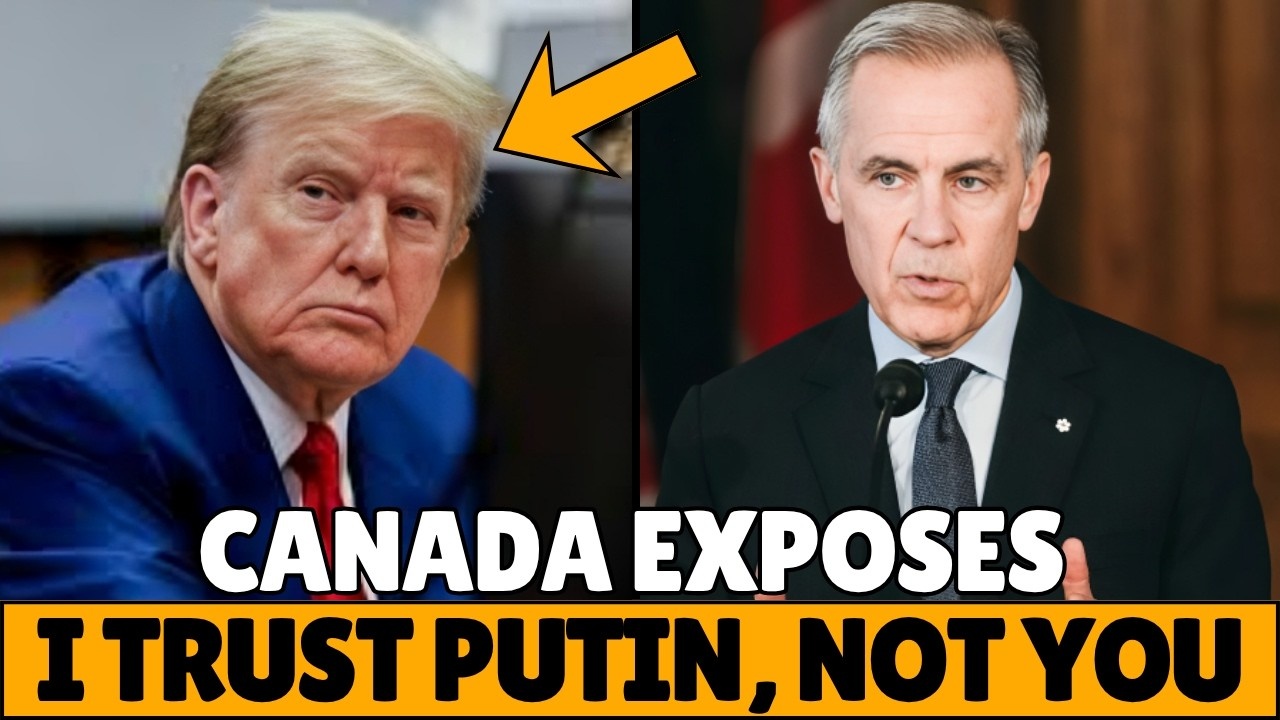
At the very moment allies were trying to hold the line on Russia, the Trump administration chose a path that many of America’s closest partners saw as a dangerous break from the strategy they had defended for years. In March 2026, the United States issued temporary waivers allowing some Russian oil already at sea to be sold, arguing that the move was needed to calm global energy markets during the Iran war. But the decision triggered a wave of criticism across Europe and beyond, because it appeared to undercut the sanctions coalition that had spent years squeezing Kremlin revenues.
The backlash was swift, and it was unusually blunt.
German Chancellor Friedrich Merz said six of the seven G7 leaders had opposed easing sanctions, leaving the United States isolated inside its own alliance. European leaders warned that relaxing pressure on Russian oil, even temporarily, sent exactly the wrong signal while the war in Ukraine continued. Public reporting described the move as a jolt to allied unity, with fears that it could refill Putin’s war chest just as previous sanctions had begun to bite.
That is where Mark Carney entered the story.
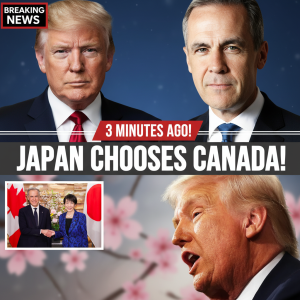
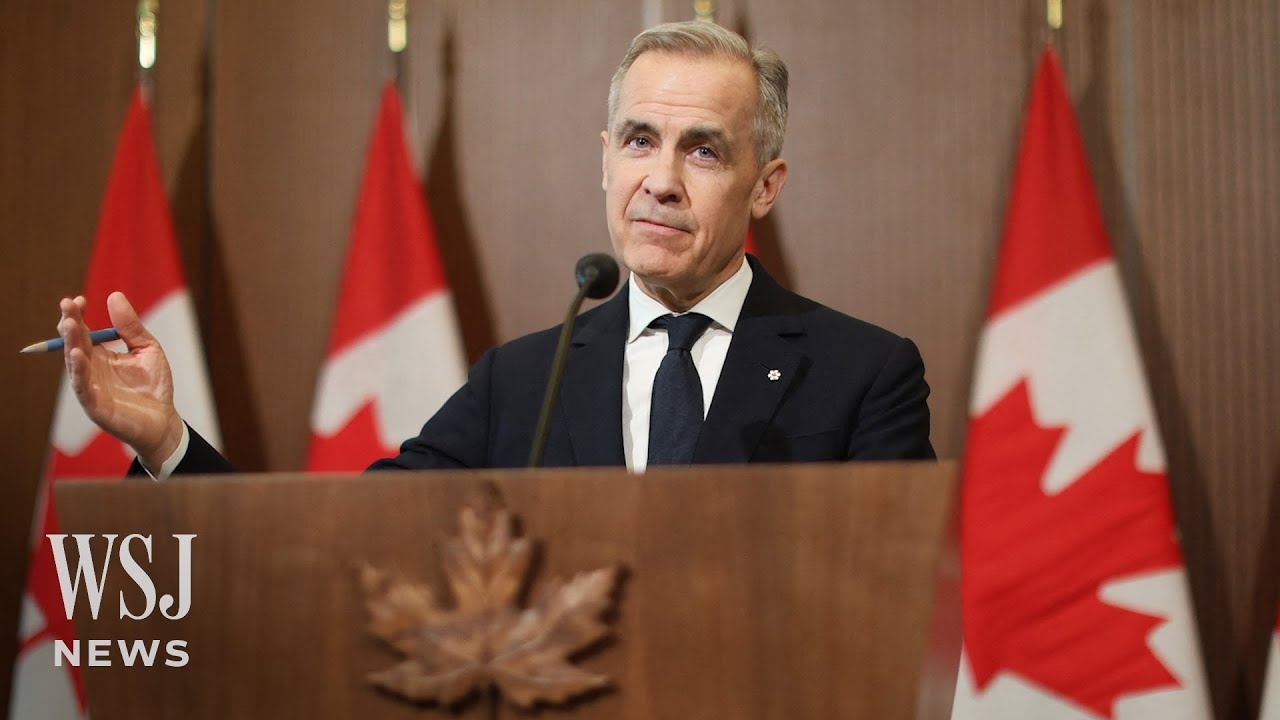
Carney publicly rejected the U.S. move and made clear that Canada would keep its own sanctions in place, including restrictions tied to Russia’s shadow fleet. Canadian reporting and other coverage show that Ottawa did not follow Washington’s waiver and instead reaffirmed its support for continued pressure on Moscow. In a moment when the United States looked willing to bend, Canada chose to stand rigid.
And that mattered for more than symbolism.
At the same time, Canada was meeting with Nordic leaders in Oslo, where the prime ministers of Norway, Sweden, Denmark, Finland, Iceland, and Canada issued a joint statement stressing international law, sovereignty, security cooperation, and continued collective resolve amid rising geopolitical tension. Bloomberg also reported that Canada and the Nordic countries agreed to deepen Arctic security and defense cooperation. In other words, while Washington’s waiver rattled allied confidence, Canada was visibly strengthening ties with a bloc of countries that care deeply about Russian aggression and northern security.
That contrast is what gave the episode its real force.
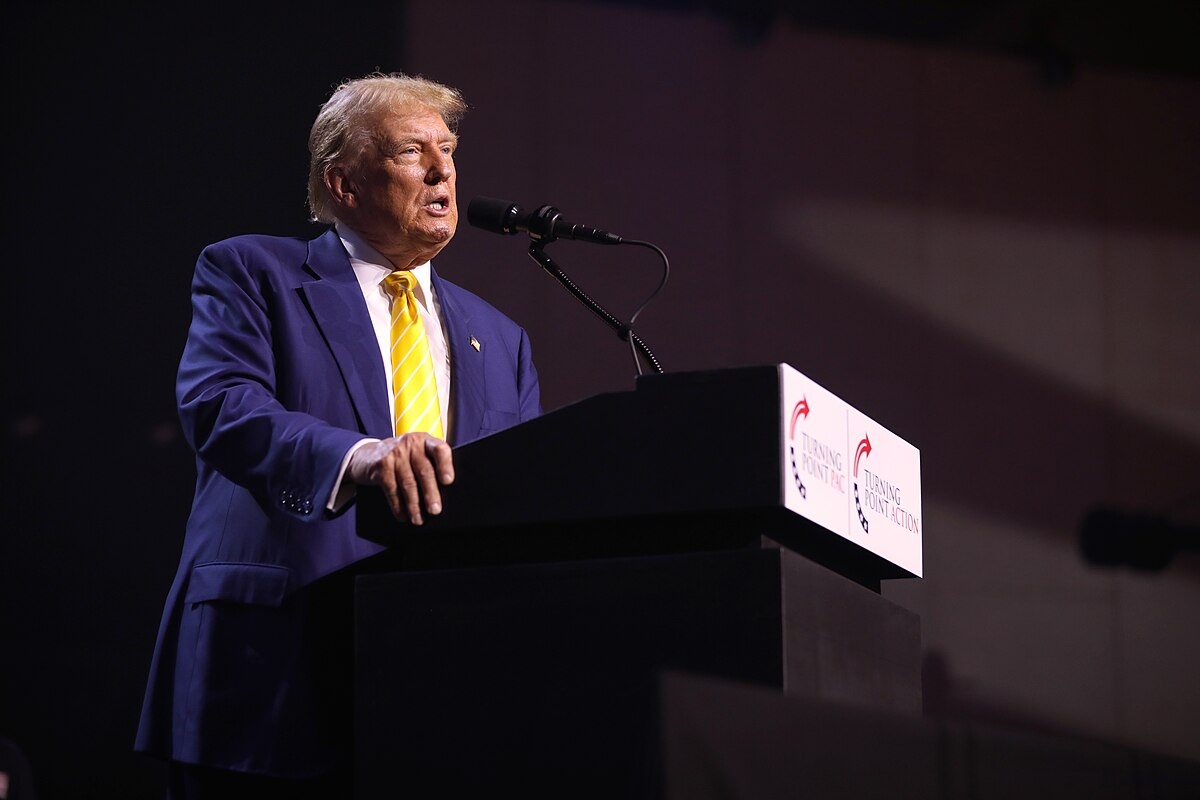
The transcript you provided pushes some claims much further than public evidence clearly supports. I could verify the waiver, the criticism from Merz and other leaders, Canada’s refusal to match the U.S. position, and the broader Canada-Nordics coordination. I could not verify several of the more dramatic details, including the specific “phone call that shook Washington,” the claim that five Nordic countries explicitly declared Canada the new global standard, or the transcript’s more cinematic military details. But even without those embellishments, the underlying story is still powerful: Washington made a unilateral move on Russian oil, key allies objected, and Canada used the moment to signal steadiness instead of retreat.
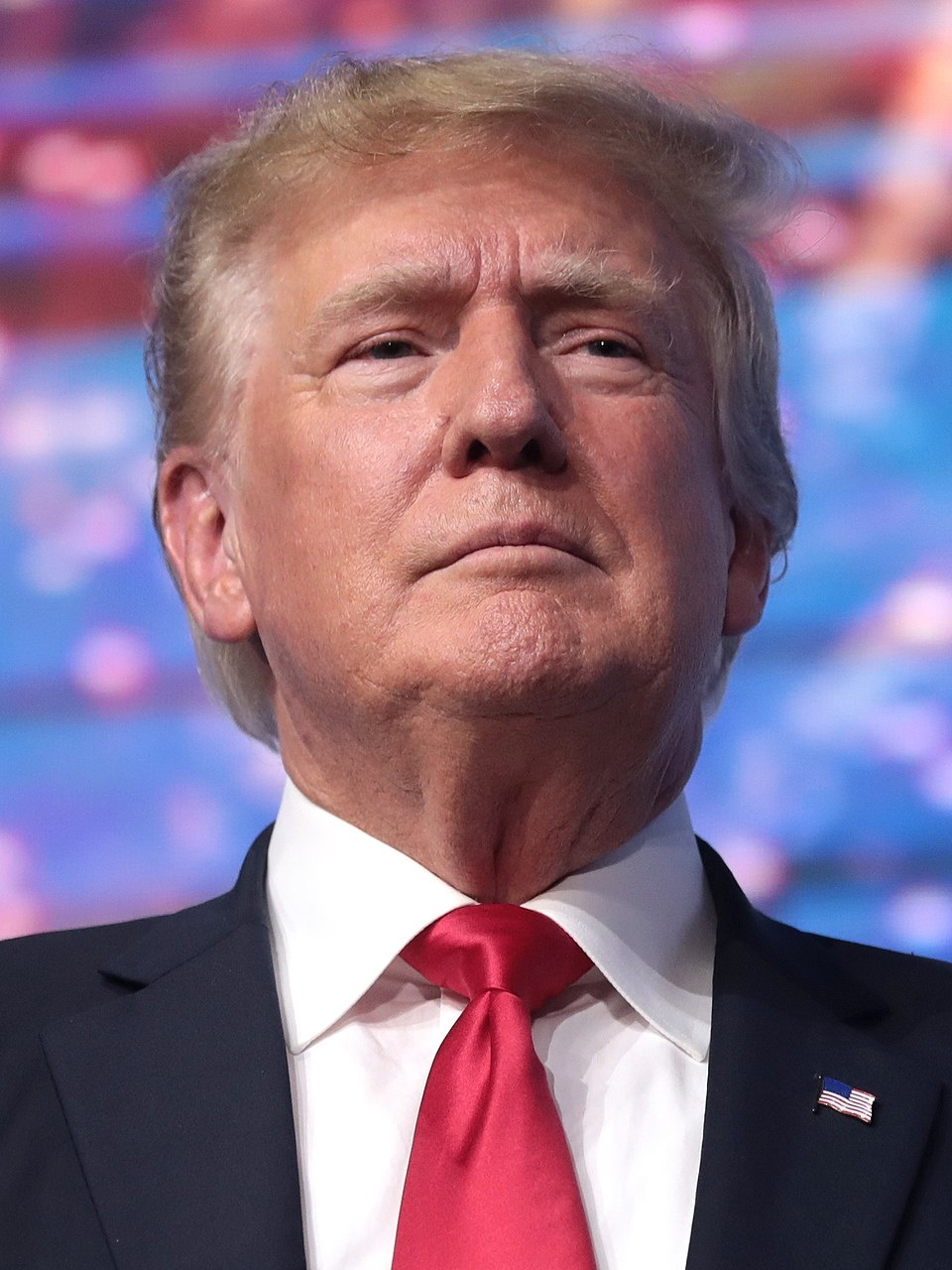
That is why this episode landed so hard.
For years, America’s strength came not only from military or economic weight, but from reliability. Allies could disagree with Washington and still assume the rules of coordination would hold. This time, many felt blindsided. And when that happens, leadership starts to migrate toward the countries seen as more disciplined, more predictable, and more willing to protect shared commitments.
Carney did not need to outshout Washington. He only had to look steadier than it.
That may be the most damaging twist of all for Trump. The administration’s move may have been designed as a temporary energy fix, but politically and diplomatically it created a very different image: a White House willing to act alone, and a Canada increasingly willing to stand with the coalition instead. In a crisis built on pressure, oil, and war, that difference became impossible to ignore.
Because when allies feel betrayed, fallout does not begin with explosions.
It begins with trust breaking in public.