Attorney General Bondi Under Fire Amidst ‘Surreal’ Congressional Showdown
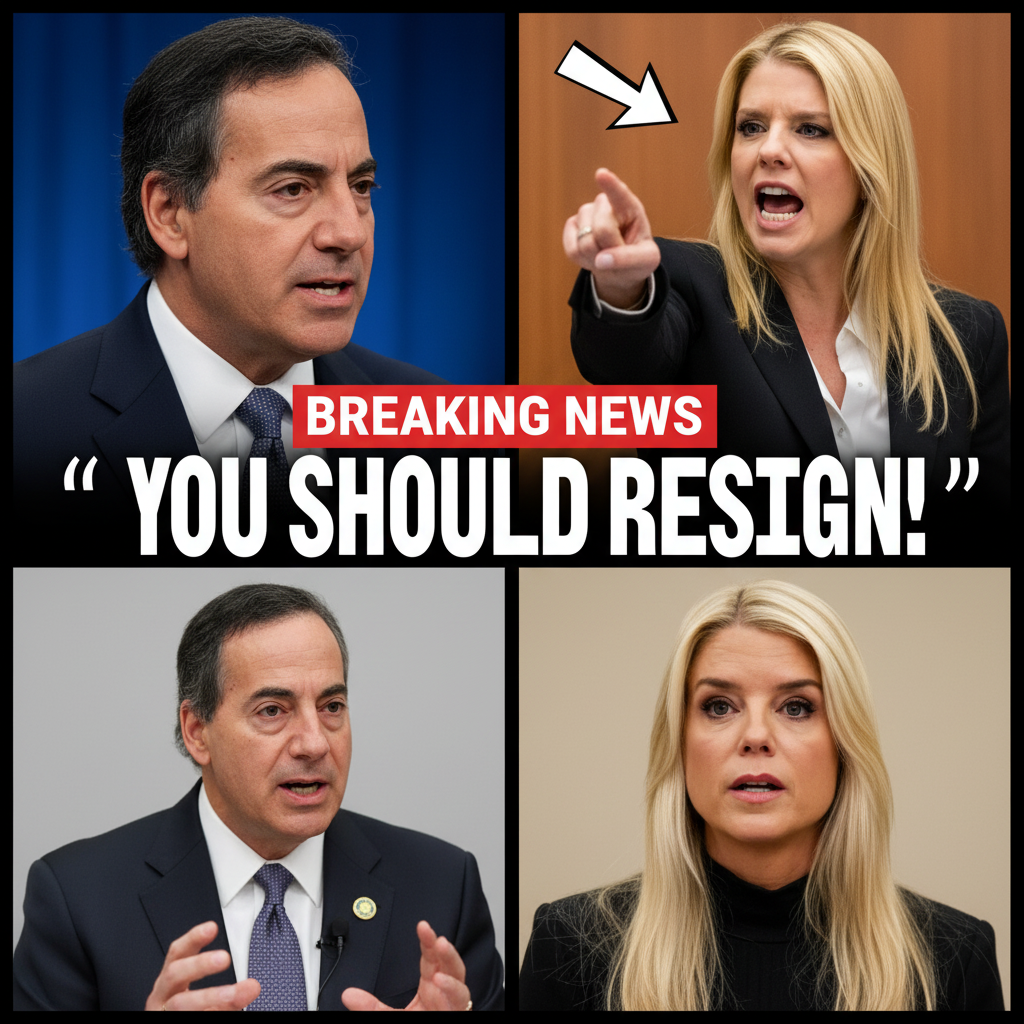
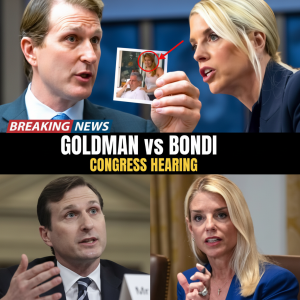
WASHINGTON – In a House Judiciary Committee hearing described by veteran lawmakers as both “surreal” and “unprecedented,” Attorney General Pam Bondi faced a blistering confrontation with representatives over the Department of Justice’s handling of the Jeffrey Epstein files and allegations of politically motivated actions.
The oversight hearing, initially intended to probe the DOJ’s release of millions of documents, quickly escalated into a spectacle marked by intense exchanges and a fundamental dispute over factual accuracy.
Central to the controversy is a definitive statement made by the nation’s top law enforcement officer: that “no evidence” exists of criminal conduct by Donald Trump within the Epstein records.
A Collision with the Record
The Attorney General’s testimony, delivered under oath, immediately encountered strong challenges from internal DOJ documents. Ranking Member Jamie Raskin (D-MD) and other committee members presented specific forensic evidence from the department’s own files that appeared to contradict Ms. Bondi’s absolute denial.
Among the records cited were internal DOJ slideshows and FBI interview transcripts detailing witness allegations against Mr. Trump dating back to the 1980s. While these records do not constitute a legal conviction, lawmakers argued they undeniably represent “evidence,” thereby raising questions about the Attorney General’s blanket dismissal.
“I have never seen a witness act with such contempt and spectacular disrespect for the rules of a committee,” Mr. Raskin stated after the hearing. He likened the atmosphere to a “Twilight Zone” episode, describing an official who seemed intent on deploying insults rather than answering questions.
Victims in the Crossfire
The tension in the hearing room was further heightened by the presence of several survivors of Epstein’s activities. The DOJ has faced intense criticism for a “selective redaction” process that reportedly shielded the names of alleged participants while failing to redact sensitive personal information, including addresses and phone numbers, of victims in public releases.
When challenged to offer an apology to the survivors present, Ms. Bondi reportedly remained unresponsive, with witnesses observing her turning away and refusing to acknowledge them.
“She constantly sided with individuals accused of misconduct against the victims,” Mr. Raskin noted, citing the department’s decision to move a key witness, Ghislaine Maxwell, to a lower-security facility following a meeting with top DOJ officials.
Concerns of Influence
Beyond the Epstein files, the hearing delved into concerns about the Department of Justice’s alleged use of its powers against perceived political adversaries. The committee reviewed a list of requested prosecutions involving members of Congress, former FBI officials, and state attorneys.
Recent weeks have seen judicial branches issuing rebukes. Grand juries in Virginia and the District of Columbia have recently rejected attempts to indict political figures, including several military veteran lawmakers who had urged troops to follow only lawful orders.
Internal dissent within the DOJ is also reportedly mounting. The hearing highlighted a wave of resignations from career prosecutors—some with conservative backgrounds—who reportedly refused to carry out what they termed “unethical orders” or “political favors.” Federal judges have even suggested the department’s recent filings represent a “misrepresentation to the court.”
The Path Forward
The fallout from the hearing has already transitioned from political discourse to formal legal actions. Representatives Ted Lieu and Dan Goldman have officially requested that Deputy Attorney General Todd Blanche appoint a special counsel to investigate Ms. Bondi for potential perjury under 18 U.S.C. § 1001.
The request argues that because the Attorney General cannot oversee an investigation into her own conduct, an independent counsel is required to conduct a forensic comparison of her testimony against the 6 million documents currently in the department’s possession—3 million of which reportedly remain withheld despite a congressional subpoena.
As the Department of Justice navigates a significant challenge to its public trust, the procedural mechanisms of accountability are beginning to engage. For an institution tasked with upholding the rule of law, the coming months will be critical in determining whether it can withstand an investigation into its own leadership, or if recent events have pushed the institution to a breaking point.