Middle East Tensions Surge After Mysterious Drone Strike Targets U.S.-Linked Tankers
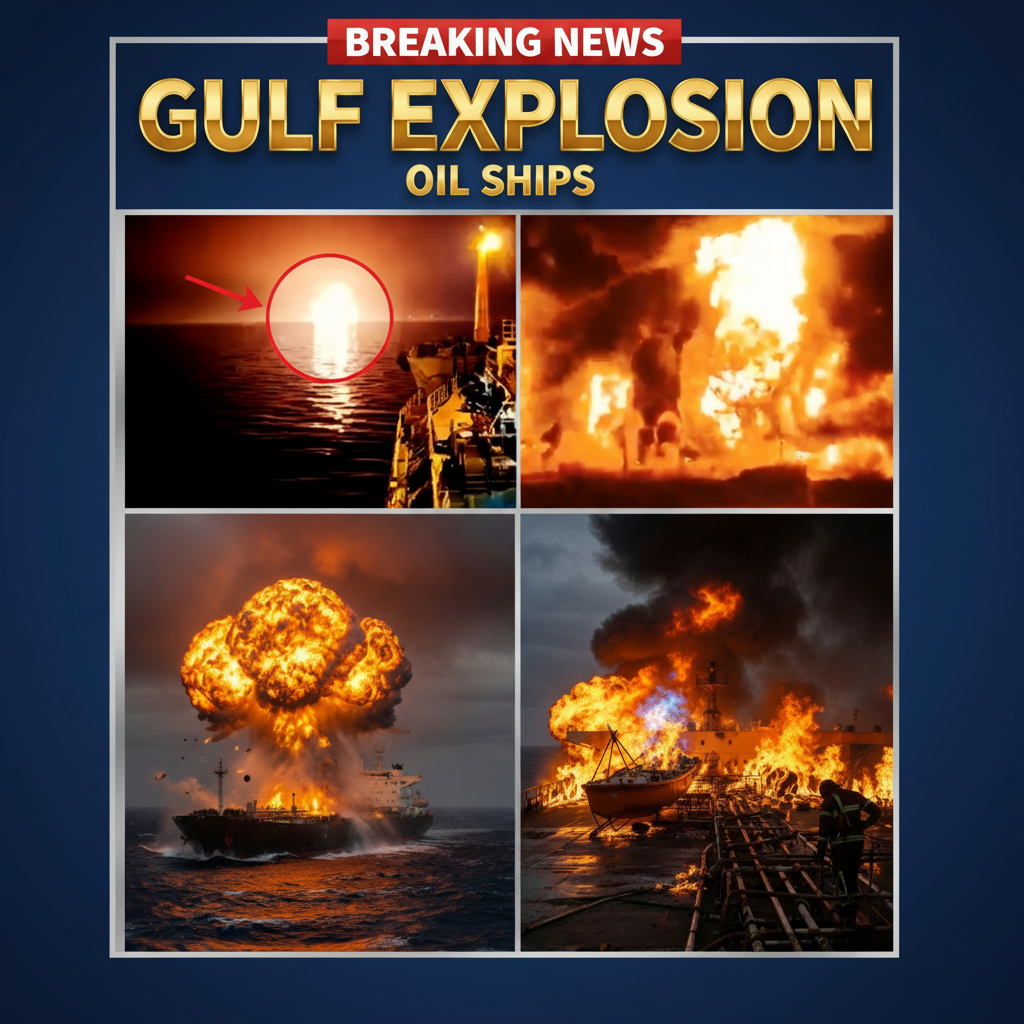
In a significant development near Iraqi waters, two massive oil tankers reportedly linked to U.S. interests have been struck by explosive naval drones. This incident has swiftly heightened geopolitical tensions in an already volatile Middle East, with security reports suggesting a connection to Iranian naval forces or allied groups.
The Incident Unfolds: A New Era of Naval Warfare?
The strikes, which unfolded in the busy maritime corridor connecting the Persian Gulf to global energy markets, mark a concerning shift in regional security dynamics. Unlike traditional naval confrontations involving submarines or missiles, this incident utilized naval drones – small, remote-controlled, sea-skimming devices. These highly effective tools, which cost a fraction of traditional warships, are capable of inflicting significant damage.
For decades, the Persian Gulf has served as the world’s most sensitive oil highway, with millions of barrels transiting daily. An incident of this nature in such a critical artery naturally draws immediate international attention, particularly when the targeted vessels are reportedly operating under commercial contracts linked to American energy companies. This detail alone transforms a regional security concern into a broader geopolitical spectacle.
Night Attack and Immediate Fallout
Maritime monitoring groups indicate the incident occurred late at night as the tankers navigated contested waters near Iraq’s southern coastline. Radar operators initially detected small, fast-moving objects, which were mistakenly identified as fishing boats before massive explosions rocked the ships. Witness accounts describe significant blasts, with flames and thick black smoke rising over the water, prompting distress signals and emergency responses from nearby vessels.
Early reports thankfully suggest the explosions struck areas away from the main fuel storage sections, averting a catastrophic environmental disaster. However, the damage was severe enough to immobilize both vessels and send shockwaves through global shipping routes and markets.
Accusations and Strategic Implications
Security analysts were quick to attribute the strikes to Iran’s expanding arsenal of naval drone technology. Tehran has notably invested in unmanned maritime weapons designed for asymmetric engagements – inexpensive devices capable of threatening high-value targets. These sea drones operate similarly to their aerial counterparts: remotely controlled, packed with explosives, and designed to detonate upon impact with enemy vessels. Their small size makes them difficult to detect, rendering them terrifyingly effective in crowded shipping lanes.
Maritime security expert Daniel Hawthorne noted, “This is the future of naval harassment. Why spend millions launching missiles when a drone the size of a jet ski can cause the same panic?” Another analyst characterized them as “a floating bomb with a steering wheel.”
While Iran swiftly denied direct involvement, labeling the accusations as “politically motivated speculation,” the timing of the incident raised numerous questions. Tensions between Iran and the United States have been simmering for years over sanctions, regional conflicts, and various grievances. Naval encounters in the Gulf have become more frequent, creating an already tense atmosphere.
Global Repercussions
The oil markets reacted instantly, with prices jumping as traders anticipated potential disruptions to the global crude oil supply. Maritime insurance rates for vessels operating in the region also surged, reflecting the increased risk. Elevated shipping costs could ultimately translate into higher fuel prices for consumers worldwide.
In response, naval forces in the region are now on high alert, intensifying patrols and surveillance. Commercial ships are also implementing additional precautions, adjusting routes and enhancing watch levels during nighttime travel. The Persian Gulf has undeniably become a more tense and precarious environment.
International capitals have responded with strong reactions. U.S. officials condemned the actions and warned of responses to any threats to maritime security. European governments urged calm while advising their shipping companies to review safety protocols. Middle Eastern states, many of which are heavily reliant on oil exports, are closely monitoring the unfolding situation near one of the world’s most vital energy arteries.
The Evolving Threat: Drones Reshape Maritime Security
The nature of this incident underscores a significant shift in naval warfare. Historically defined by large battleships and advanced missile systems, naval power now confronts a new challenge from inexpensive, disposable, and difficult-to-stop unmanned drones, especially when deployed in coordinated fashion within congested waterways.
For the shipping crews directly impacted, the incident was a stark and terrifying reminder of the enduring vulnerability of global trade routes to sudden acts of aggression. As investigations continue, analyzing radar data and examining the damaged tankers, one conclusion is clear: the Persian Gulf has entered a new phase of tension, where silent drones possess the capability to ignite international crises, and every captain navigating these waters must now contend with an evolving, insidious threat.