Trump’s Urgent Outreach to Canada Signals Major Power Reversal Amidst Global Energy Crisis
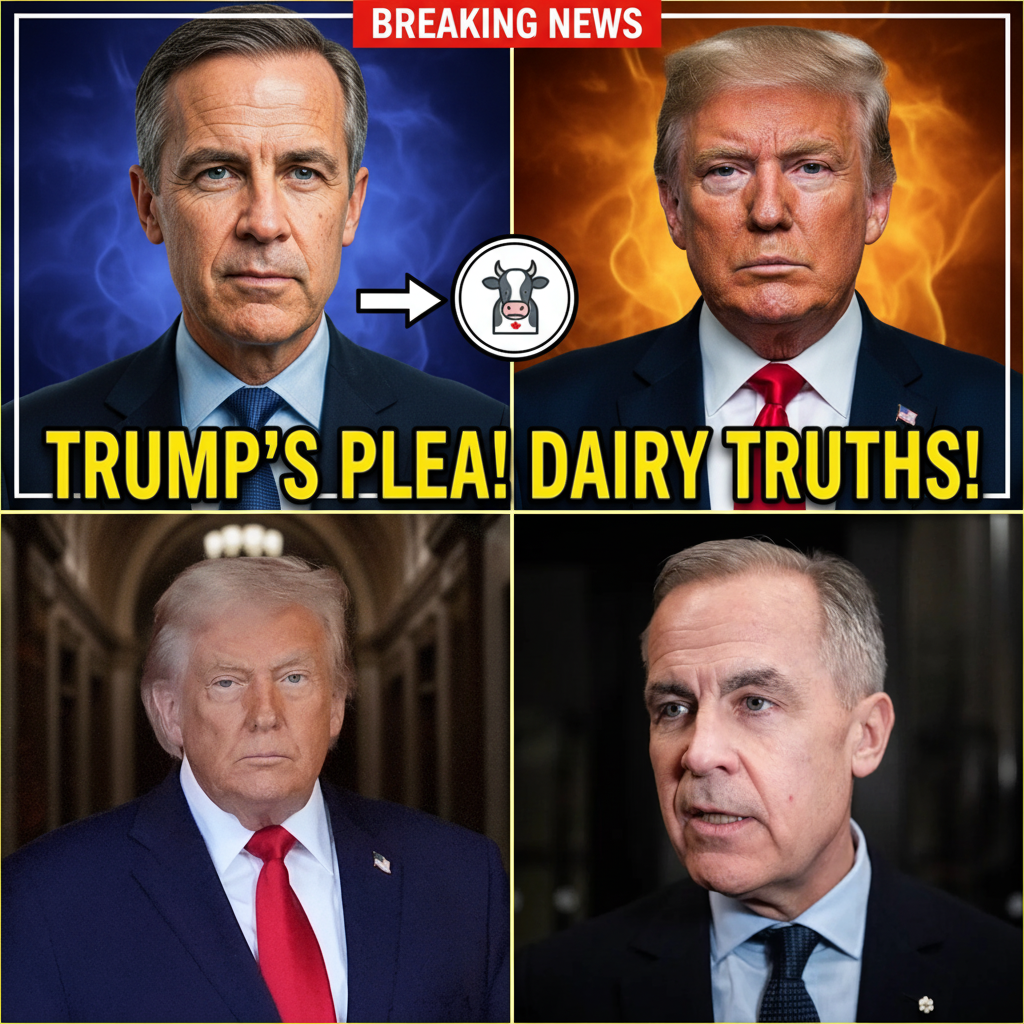
In a notable shift of geopolitical dynamics, U.S. President Donald Trump initiated a call to Canadian Prime Minister Mark Carney on March 9, 2026. This conversation occurred against a backdrop of rapidly escalating oil prices, directly linked to increased international tensions involving Iran. What began as a routine check-in quickly underscored America’s emerging vulnerability, with President Trump reportedly seeking assurances on crucial energy supplies, while Prime Minister Carney firmly maintained Canada’s stance on existing trade disputes. This interaction, largely underreported by U.S. media, highlights a dramatic power realignment in North American relations, where Canada’s extensive resources have become indispensable amidst global instability.
A Crisis Ignites: The Strait of Hormuz Blockade and Soaring Oil Prices
Operation Epic Fury and International Ramifications
The call came merely days after the U.S. and Israel commenced Operation Epic Fury on February 28, 2026. This operation involved striking Iranian targets and significantly impacting its leadership. In a swift response, Iran retaliated by implementing a blockade of the Strait of Hormuz, a critical maritime chokepoint responsible for approximately 20% of the world’s oil transit. This blockade immediately caused oil prices to surge, with Brent crude surpassing $100 per barrel for the first time since 2022, reaching $119 by early March.
The disruption directly affected supplies from key producers such as Saudi Arabia, Qatar, and Iraq, plunging global markets into a period of significant uncertainty. While President Trump initially downplayed the price increases as a ‘small price to pay’ for security, U.S. consumers faced immediate financial pressure at fuel pumps nationwide.
Canada’s Emergence as a Critical Energy Anchor
Amidst this global turmoil, Canada has emerged as a crucial beacon of stability. Its robust oil exports, primarily originating from Alberta and Saskatchewan, flow consistently to the U.S. Midwest through established pipeline networks, remaining unaffected by Middle Eastern developments. Canada currently accounts for approximately 40% of all U.S. oil imports, a supply line critical for states including Ohio, Michigan, Illinois, and Indiana.
Notably, the Trump administration had previously issued threats of imposing substantial tariffs on Canadian goods and even jested about annexing Canada. However, with the Strait of Hormuz now inaccessible, such threats have effectively dissipated. The March 9 discussion between the two leaders reportedly prioritized economic concerns, Middle Eastern stability, and ongoing trade matters, with both parties agreeing to maintain close communication. Prime Minister Carney’s brief statement on X reiterated this: ‘Spoke with President Trump… agreed to stay in close contact.’ While no immediate concessions were announced, the underlying message was clear—America’s need for Canadian energy resources had intensified.
The Enduring Dairy Dispute: A Persistent Flashpoint
Supply Management: A Canadian Pillar
At the core of persistent bilateral tensions is Canada’s dairy supply management system, a policy established in the 1970s to ensure price stability for farmers. This system employs production quotas and tariffs to protect domestic producers, particularly in Quebec. The Canada-United States-Mexico Agreement (CUSMA), ratified in 2020, provided U.S. dairy limited access to Canada’s market—specifically 3.5% via tariff-rate quotas. Consequently, U.S. dairy exports to Canada quadrupled from pre-2020 levels, reaching $897 million in 2024.
Despite this, President Trump has previously asserted that Canadian tariffs were as high as 400%, a figure that neglects the fact such tariffs apply only to imports exceeding established quotas. U.S. Trade Representative Jameson Greer has actively sought greater access during ongoing CUSMA renewal negotiations. Prime Minister Carney’s response has been unequivocal: ‘Supply management is not on the table,’ a statement delivered pointedly in French to emphasize Quebec’s critical importance. This system, rooted in post-war efforts to prevent overproduction, ensures stable prices but faces criticism for potentially limiting competition.
CUSMA Renewal and Future Implications
Historical disputes under CUSMA have led to independent panels ruling in Canada’s favor concerning quota administration. The current situation with Iran has undeniably amplified Canada’s negotiating leverage. With global oil supplies disrupted, Canada’s environmentally regulated resources have become increasingly valuable. Europe, too, has expressed interest in Canadian oil as a potentially cleaner alternative to other sources.
A Redefined Relationship: Canada’s Growing Autonomy
Prime Minister Carney’s administration has actively pursued trade diversification, increasing exports to nations like India, Australia, and Japan by 17.2%. This strategic move has reduced Canada’s dependence on the U.S. to 71.7%—its lowest level since the 1980s. A new trade agreement with China has also unlocked an estimated $7 billion in new market opportunities. President Trump’s recent call prominently highlighted this reversal in dynamics. Once the perceived dominant party, the U.S. now navigates these discussions from a position of increased reliance. Prime Minister Carney’s team has established a dedicated response group, underscoring Canada’s commitment to strategic autonomy.
Navigating the Future: Energy Security vs. Trade Concessions
The dairy standoff continues to be a central point of contention. U.S. farmers are primarily seeking adjustments to existing quotas rather than outright abolition of the system, but Canada views its supply management as non-negotiable. CUSMA is slated for renewal soon, and its future hinges on achieving mutually beneficial outcomes for both nations. As oil prices continue their upward trajectory—potentially reaching $135 per barrel if the Strait of Hormuz blockade persists for several months—America’s Midwest refineries remain heavily dependent on Canadian crude.
Existing infrastructure limitations prevent rapid shifts to alternative oil sources, such as those from Saudi Arabia. Iran’s actions have also reportedly reduced Iraqi oil output by 70% and halted Qatari LNG exports. While global inventories are dwindling, Canada’s geographical proximity offers a crucial element of relief. President Trump’s outreach signals a pragmatic approach, yet the dairy issue remains a sensitive flashpoint. Prime Minister Carney’s firm stance aims to protect Quebec’s vital industry, where supply management plays a key role in sustaining rural economies. The current international events have exposed complex interdependencies. Canada’s role in energy security significantly bolsters its trade position. As geopolitical tensions persist, the question remains: will the U.S. make concessions on dairy in exchange for crucial energy stability? The answer could fundamentally reshape North American relations, leaving markets and alliances in a state of ongoing transformation.